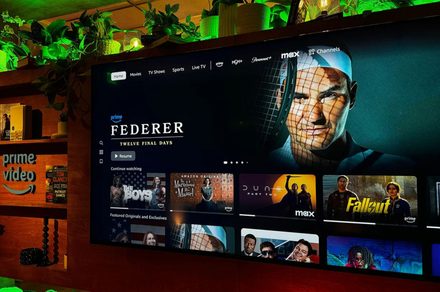

Prime Video’s home screen has looked largely the same for years—rows of tiles that don’t always match what you actually want to watch. Amazon is betting AI can change that, and Jeff Bezos is personally driving the effort.
According to Reuters, Bezos directed Prime Video head Mike Hopkins to overhaul the streaming service with AI at the center. The project, codenamed Lighthouse, is already reshaping how the app could work.
What’s changing on Prime Video?
The redesign would rebuild the home page around AI-generated recommendations instead of the fixed grid every subscriber currently sees. One version Prime Video executives discussed involves tiles built around prompts like “action movies from the 1980s” or “Christmas rom-coms,” shaped by your own viewing habits.
Amazon is also considering integrating its Alexa voice assistant into search, so you could simply say what you’re in the mood for instead of typing it out. Traditional search isn’t going away either, and the top of the screen would still reserve space for highlights like Thursday Night Football, the NFL game exclusive to Amazon.
What’s driving Bezos’s push for AI?
The Lighthouse project didn’t start as a routine product update. Reuters reports the effort grew out of a tense meeting last fall, where Bezos told Prime Video executives their existing plans didn’t lean hard enough into AI and personalization. The team scrapped that version entirely and rebuilt it from scratch under global design lead Kam Keshmiri. Bezos has stayed personally involved ever since—notable given how far he’s stepped back from day-to-day Amazon operations since 2021.
There’s also a bigger story behind Prime Video’s redesign. Amazon has committed nearly $200 billion in capital spending this year, much of it tied to AI, on top of an initial $23 billion investment split between OpenAI and Anthropic.
Lighthouse is one piece of Amazon’s plans to strengthen its AI credentials while rivals keep moving fast. Currently, Prime Video holds just 4.2% of US TV viewing, trailing behind YouTube, Netflix, and Disney+, which gives Amazon plenty of reason to get this right.
Does having more AI actually help viewers?
Prime Video, like most streaming platforms, lets studios pay for premium placement on the home screen. If personalized recommendations start replacing some of that paid real estate, what you see first might depend more on your most-watched shows rather than who paid the most. That would be a genuine shift toward more honest recommendations.
However, skepticism is warranted. Netflix has already thrown similar AI fixes at the scrolling fatigue problem, and many viewers still complain about not finding something worth watching. It’s also unclear if Prime Video’s redesigned AI-first approach would eliminate paid placement entirely or simply relocate it into the algorithm itself.
For now, Amazon is testing early versions with a small group of users, and feedback could reshape the final design. Whether Lighthouse actually eases your scrolling fatigue—or just dresses it up differently—is something you’ll only know once it lands on your screen.


