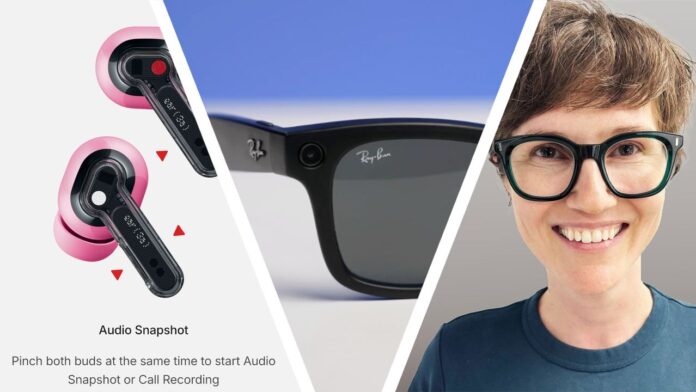

Growing concerns about pervasive surveillance are sparking a consumer backlash against always-on recording devices, from smart glasses and earbuds to televisions that monitor our living spaces. As these technologies become more sophisticated and less noticeable, questions about consent, privacy boundaries, and who truly controls our data are coming to the forefront.
Digital rights advocate Lauren Hendry Parsons of Mozilla Foundation observes that we’re witnessing the normalization of surveillance behaviors that began with smart home devices but have now expanded into constant, mobile monitoring. “We’re seeing surveillance shift from something fixed in a home to something that follows us everywhere through every conversation,” she explains.
The core issue extends beyond individual users to affect bystanders who never consented to being recorded. Parsons emphasizes that true privacy protection must cover both device users and the people inadvertently captured in their data collection zones. Simple notifications aren’t enough – meaningful consent requires understandable opt-out mechanisms that match the privacy implications of the technology.
One proposed solution gaining traction involves shifting more processing to personal devices rather than relying on cloud infrastructure. Div Garg, CEO of AI startup AGI, advocates for on-device AI models where users retain complete control of their data. “If the AI runs on your device, none of your personal information ever leaves your possession,” Garg notes. This approach eliminates concerns about corporate data harvesting while still enabling personalized AI assistance.
The discussion also highlights innovative approaches to reclaiming privacy, including anti-surveillance clothing designs that block facial recognition systems and creative uses of recording technology for accountability purposes – such as wearing devices to document harassment or predatory behavior.
Ultimately, both experts agree that the future of technology isn’t predetermined. Through thoughtful design choices, stronger regulations, and consumer demand for privacy-respecting products, we can develop innovations that enhance our lives without sacrificing fundamental rights to privacy and consent.


