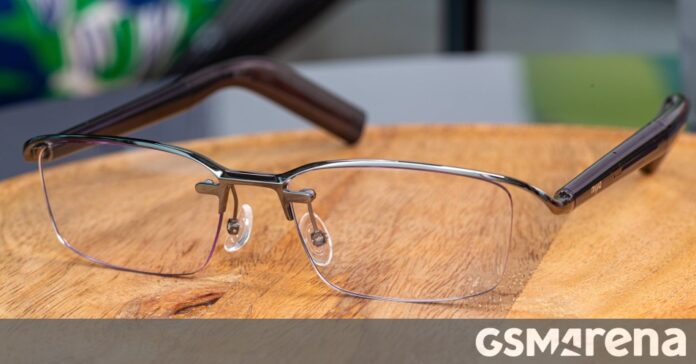

Recent poll results reveal a significant disconnect between tech industry investment and consumer interest in smart glasses. Despite major technology companies pouring substantial resources into research and development for next-generation eyewear, consumer adoption remains remarkably low.
The survey shows that fewer than 5% of respondents actively use smart glasses in their daily lives. Among those who do experiment with the technology, usage patterns vary – some employ them as audio alternatives to headphones, while others explore their heads-up display capabilities for notifications and information.
However, the broader consumer sentiment tells a different story. Many potential users express privacy concerns, particularly regarding devices equipped with cameras. Comments frequently reference discomfort with being recorded without consent, drawing parallels to the challenges faced by Google Glass during its initial release years ago.
This widespread hesitation creates a challenging scenario for manufacturers. Not only are most consumers choosing not to purchase smart glasses, but there’s also evidence of social resistance toward those who do wear them. The technology faces what appears to be a significant perception problem, with privacy worries overshadowing potential benefits.
For smart glasses to gain traction, manufacturers will need to address these fundamental concerns about privacy and social acceptance while demonstrating clear, compelling use cases that justify both the financial investment and potential social discomfort associated with adoption.


