
Beyond Buttons and Calendars: The Deep Human Chase to Tame Time Before 2026
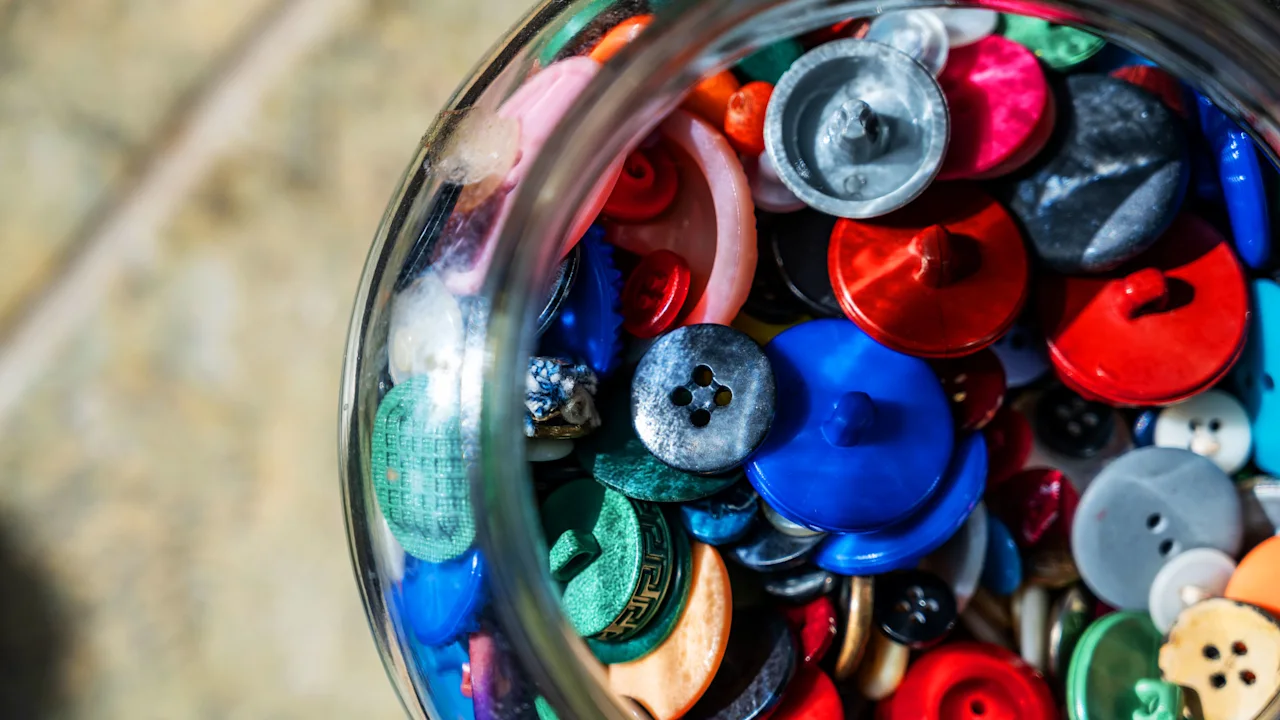
Have you ever felt time slipping through your fingers like sand? That uneasy sensation fuels countless New Year’s resolutions, yet by February, gym memberships gather dust and planners lie forgotten. A viral TikTok comment from user “Tamara” throws this timeless struggle into sharp, quirky focus, sparking digital chatter about our 2026 rebrand: “I’m getting 365 buttons, one for each day, because I want to do more stuff and I’m scared of time, so I want to be more conscious of it.” This seemingly odd tangent – which baffled commenters asking “What is 365 buttons? Like to wear?” – reveals far more than meets the eye. It’s a raw glimpse into our profound, species-wide wrestling match with temporality, intensified in an age of relentless acceleration. Understanding why Tamara’s buttons resonated isn’t just internet curiosity; it’s key to unlocking genuine personal transformation and navigating the pressures of our era. Will your 2026 rebrand be fleeting, or truly transformative?
The Panic Button: Why Time Feels Like It’s Accelerating
The primal fear Tamara voiced – “I’m scared of time” – echoes a remarkably common anxiety. Time perception isn’t objective; it’s deeply subjective and easily warped. Research consistently shows we experience time passing more quickly as we age. Childhood summers stretch endlessly; adult decades blur together. Neuroscientifically, this is partly explained by the “Holiday Paradox”: novel experiences create denser memory storage, making periods feel longer in retrospect. Conversely, repetitive routines create fewer distinct memories, causing time to seem to vanish faster.
- The Digital Acceleration Factor: Our hyper-connected lives amplify this effect drastically. Constant notifications, infinite scrolling, and the pressure for instant responses fracture attention and compress our sense of duration. Studies on internet usage consistently link heavy screen time with increased feelings of time pressure and fragmentation.
- Societal Pressures: Sociologists point to broader cultural shifts – the erosion of job security, climate anxiety (“doomerscrolling”), and the pressure to constantly optimize ourselves – fueling a pervasive future shock. This breeds 2026 rebrand intentions as attempts to regain agency. We grasp for control amidst perceived chaos.
Tamara’s buttons project is a visceral response: creating a physical artifact to visually measure the daily slippage of time, forcing conscious acknowledgment that days pass, hoping this awareness fosters action.
Beyond Buttons: Tangibility as Time Management Ancestry
While Tamara’s specific buttons approach sparked bewilderment (“Just to have to see how quick days pass”), her instinct to materialize time is ancient and instinctual. Humans crave tangible representations of the abstract. From sundials to hourglasses, calendars to prison wall scratches, we’ve always sought ways to externalize time, track days passing, and assert control:
- Historical Precedents:
- Ancient Timekeeping: Water clocks (clepsydrae), candle clocks calibrated to specific burn rates.
- Habit Chains: Famously credited to English historian Sir Henry Fanshawe (c. 1600s) who supposedly dropped a pebble into a bag daily for visualization. Later popularized as “Don’t Break the Chain” methods.
- Monastic Disciplines: Medieval monks meticulously tracked liturgical hours and prayers through physical tokens or beads (similar to prayer beads/rosaries, precursors to counting methods).
Table: Tangible Time Tracking Methods Through History
| Method | Era/Culture | Purpose | Analogy to “Buttons” |
| :————– | :——————– | :—————————————— | :—————————————– |
| Sundial | Antiquity | Measuring daylight hours | Visual marker of time’s passage |
| Hourglass | Middle Ages | Measuring specific intervals (e.g., sermons) | Granular division of time, physical depletion |
| Prayer Beads | Various Cultures | Counting prayers/devotional repetitions | Physical counters for intangible actions |
| “Don’t Break Chain” | Popularized Modern | Habit formation (Jerry Seinfeld) | Visual progress metric for daily commitment |
Tamara’s 365 buttons perfectly fit this tradition. Each button represents a day not just passed, but potentially seized. The goal? To convert days passing from an unseen threat into a visible resource, thereby motivating her to “do a lot of stuff” – her core rebrand purpose.
The “365 Buttons” Method: Strategy or Sisyphean Task?
Tamara clarified her intent: “Just to have to see how quick days pass and to remind myself that time passes, and I just have fun, and to do a lot of stuff.” This encapsulates her personal 2026 rebrand strategy. But let’s dissect its effectiveness:
-
The Potential Upsides (Psychology in Action):
- Heightened Salience: Making time physically tangible forces daily acknowledgement. You see the buttons pile up or diminish. This counters autopilot blindness to passing days.
- Cognitive Dissonance: Watching buttons accumulate unused could create discomfort (“Why haven’t I ‘earned’ my button today?”), potentially motivating action to avoid that feeling.
- Gamification Lite: There’s a subtle reward/punishment loop inherent in using the tool daily or failing to.
- Mindfulness Anchor: Handling the button each day becomes a small ritual prompting reflection: Did I use this day? Did I prioritize fun and action?
-
Potential Pitfalls & Critiques:
- The Paralyzing Barrel: Comedy suggestions aside (riding around with buttons spilling everywhere!), 365 buttons is a lot. Could the sheer bulk become overwhelming or demotivating?
- Focus on Quantity vs. Quality: “Doing a lot of stuff” is vague. Does rushing to “earn” a button lead to frenetic busyness without depth or lasting value? (See burnout research).
- The Guilt Trap: Failed days risk deepening feelings of inadequacy (“Another day wasted”), potentially increasing time-related anxiety.
- Sustaining Novelty: Will handling Button #127 in June still trigger the same mindfulness as Button #1? Novelty fades.
The psychological lens reveals 365 buttons as a fascinating experiment in metacognition (thinking about thinking – or experiencing time). However, its success likely hinges on pairing it with Tamara’s underlying motivation: consciously prioritizing having fun amidst productive action.
Redefining the Rebrand Mindset: Conscious Awareness Over Quick Fixes
The viral TikTok thread reflects a genuine yearning for change – a collective April 2024 desire for future transformation by 2026 rebrand. But amidst the buzzwords (“Level Up,” “Glow Up,” “Soft Life”), Tamara’s buttons anchor us in something fundamental: awareness precedes action.
- Beyond Dated Resolutions: Statistically, resolutions rarely last. Traditional approaches often fail because they target symptoms (“Lose 20lbs”) without addressing root causes (emotional eating patterns, ingrained inactivity). Tamara hints at addressing the root: her relationship with time itself.
- Consciousness is the Core: The essential first step in any lasting transformation isn’t a new planner or app; it’s becoming acutely aware of your current state – how you actually spend your time, what thoughts dominate, what fears hold you back. Tools like buttons serve this awareness.
- Future Self Connection: Endorsing Tamara’s comment (“Yes, queen!”) reflects deeper affinity with her core goal: prioritizing experientially fulfilling pursuits (“and I just have fun”). Studies consistently show that connecting emotionally with your “future self” increases motivation for long-term goals – crucial for sustained transformation over two years.
For a 2026 rebrand that sticks, the focus shifts:
- Embrace Imperfect Experimentation: The uniqueness of Tamara’s method – physical buttons! – highlights finding tools that resonate personally, not just following mass trends.
- Integrate Presence: Truly “doing more stuff” likely involves creating space for present-moment joy amidst productivity, not frantically chasing quantity.
- Nurture Self-Compassion: Building effective 365 days habits requires anticipating setbacks without self-flagellation.
Modern Counterparts: From Buttons to Apps (And Why They Often Fail)
Tamara’s tactile approach stands in contrast to our digital-first world. Countless apps promise to help us “rebrand” for 2026:
- Habit trackers (Streaks, Habitica)
- Calendar blocking tools
- Productivity dashboards
- Goal-setting platforms
Why do these often fall short?
- Out of Sight, Out of Mind: Unlike a jar of buttons, digital tools are easily swiped away, muted, or ignored. They lack persistent physicality.
- Overwhelm & Feature Bloat: Constantly updating notifications and complex interfaces can mimic the very frenetic state we aim to escape.
- Abstraction: Swiping an app checkbox lacks the sensory engagement of physically handling a button, rendering the action less meaningful.
- Life Admin Burden: Maintaining complex digital systems becomes another task, defeating the purpose.
This isn’t an anti-tech stance – digital tools are powerful! It highlights why Tamara’s buttons, days passing, strategy resonates precisely because it bypasses digital noise. It forces tactile engagement with the raw passage of time, potentially activating different motivational pathways than a screen notification. The most effective modern rebranding likely blends personalized tangible prompts like Tamara’s with selective digital systems.
Unboxing Your Personal Time Capsule
Tamara’s jar of 365 buttons for her days passing isn’t merely a quirky viral moment. It’s a poignant reminder of our shared human predicament: the desire to make our limited time count. Her method, born from raw scare[d] of time honesty, taps into deep psychological needs for tangibility, conscious awareness, and motivational triggers – needs often neglected in our frantic, screen-dominated lives. As we contemplate our own journeys towards transformation (whether pegged to 2026 or starting tomorrow), the core lesson isn’t “everyone needs buttons.” It’s about confronting our relationship with time’s passage fearlessly. What tangible reminder forces you to truly see your days passing? How will you consciously structure those days to include purposeful action and genuine joy? Perhaps the most potent rebrand involves discarding the pressure of a perfect ledger and embracing the messy, vivid experiment of living fully now, before those buttons inevitably run out. What tangible symbol will anchor your journey?


