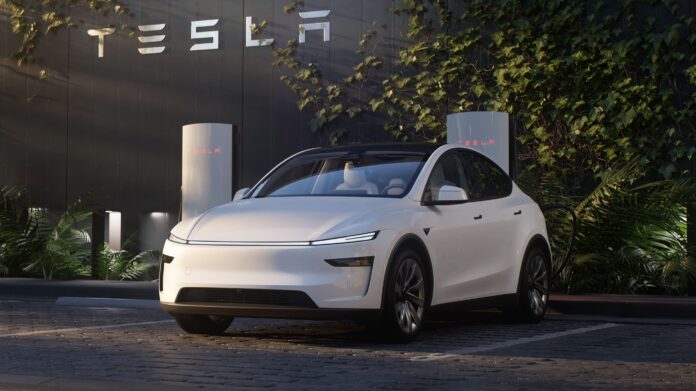

Tesla has expanded its “unsupervised” robotaxi service to cover the entire Austin metro area, a significant milestone for the company’s autonomous driving ambitions. But there’s a catch: the expanded coverage area is serviced by only a handful of vehicles.
The service previously operated within a limited South Austin footprint. The new expansion extends coverage across the broader Austin metropolitan region, making it the first time Tesla’s robotaxi service has covered an entire metro area. However, the limited fleet size means wait times can be substantial, and availability varies significantly depending on the time of day and location within the coverage zone.
Growing pains
Tesla’s robotaxi service launched in late 2025 with a small fleet of specially equipped vehicles operating in a restricted area. The company has been gradually expanding the service footprint while working to increase fleet size and improve reliability.
The Austin expansion is notable because it demonstrates Tesla’s confidence in its FSD (Full Self-Driving) technology operating without a human safety driver. However, the limited number of vehicles raises questions about the service’s readiness for mainstream adoption. Competitors like Waymo have taken a more conservative approach, launching with smaller coverage areas but ensuring more consistent vehicle availability.
Tesla has not disclosed the exact size of its Austin robotaxi fleet, but the company has previously stated it plans to scale up production of its Cybercab, a purpose-built autonomous vehicle without a steering wheel or pedals, which could dramatically increase fleet capacity once production ramps up.
For now, Austin residents can theoretically hail a robotaxi from anywhere in the metro area—if they’re willing to wait.


