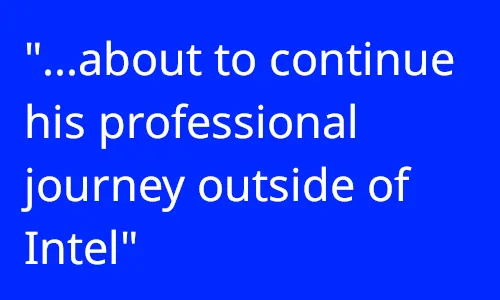

Is Intel Losing its Edge in the Linux World? The Departure of a Key Thunderbolt Maintainer Raises Concerns
In a world increasingly reliant on open-source technologies, does the departure of key personnel from major contributors like Intel signal a shift in the landscape? Recent news highlights a concerning trend: the loss of significant Linux engineering talent at Intel, a company renowned for its prolific open-source contributions. The latest blow comes with the departure of Michael Jamet, a key figure in the development and maintenance of the Linux Thunderbolt and USB4 subsystems. This departure raises questions about Intel’s commitment to Linux and the potential impact on future open-source development. This article explores the significance of this loss and what it could mean for the future of Linux and hardware enablement.
Intel’s Open-Source Legacy and Current Challenges
For years, Intel has been a powerhouse in the open-source community, particularly within the Linux ecosystem. The company’s contributions span across various critical areas, including:
- Early Hardware Enablement: Intel has consistently been at the forefront of enabling new hardware features within the Linux kernel. This ensures that Linux users can take advantage of the latest advancements in Intel’s processors, graphics cards, and other components.
- Compiler Toolchains: Intel’s contributions to compiler toolchains like GCC and LLVM have been instrumental in optimizing code performance on Intel architectures.
- Kernel Contributions: Intel engineers have actively contributed to the Linux kernel, improving stability, performance, and security.
- Device Drivers: They provide essential device drivers for a wide range of Intel hardware, enabling seamless integration with Linux-based systems.
Intel’s commitment to open source has been crucial for the widespread adoption of Linux across various sectors, from servers and desktops to embedded systems and mobile devices. However, recent staffing reductions and the departure of key Linux engineers, including open-source contributors outside of the Linux kernel, raise serious questions about the company’s future open-source strategy.
The Impact of Staffing Reductions on Linux Engineering
The recent staffing reductions across Intel have undoubtedly impacted the Linux engineering team. The loss of experienced engineers and maintainers can lead to several challenges:
- Reduced Development Velocity: With fewer engineers, the pace of development on key Linux components may slow down. This could delay the integration of new features, bug fixes, and security patches.
- Maintenance Challenges: Maintaining complex subsystems like Thunderbolt and USB4 requires specialized expertise. The departure of experienced maintainers can create a knowledge gap and make it harder to address bugs and security vulnerabilities.
- Innovation Slowdown: A reduction in research and development efforts can hinder innovation and prevent Intel from staying ahead of the curve in the rapidly evolving open-source landscape.
Why Intel’s Linux Contributions Matter
Intel’s contributions to the Linux kernel and related open-source projects directly affect the experience of millions of Linux users worldwide. Here’s why their involvement is so crucial:
- Hardware Compatibility: Intel hardware is ubiquitous in computers worldwide. Intel engineers work to ensure that new hardware is properly supported by the Linux kernel.
- Performance Optimization: Intel contributes greatly to improving the performance of Linux on Intel hardware by optimizing code for the underlying architecture.
- Security Updates: Intel engineers are involved in identifying and fixing security vulnerabilities in the Linux kernel and related components.
The Departure of Michael Jamet: A Loss for the Thunderbolt Community
The departure of Michael Jamet, a prominent figure in the Thunderbolt and USB4 development community, is a significant loss for Intel and the broader Linux ecosystem. Jamet served as a key maintainer of the Linux Thunderbolt and Thunderbolt Network drivers within the kernel. According to his LinkedIn profile, he held the position of Head of Cloud and Software Engineering at Intel for the past decade, leading the Thunderbolt/USB4 software group across multiple locations.
Why Was Michael Jamet a Key Contributor?
- Thunderbolt/USB4 Expertise: Jamet possessed in-depth knowledge of the Thunderbolt and USB4 technologies, crucial for ensuring their proper implementation and integration within the Linux kernel.
- Maintainer Role: As a maintainer, Jamet was responsible for reviewing and merging code contributions from other developers, ensuring the quality and stability of the Thunderbolt and USB4 subsystems.
- Leadership and Coordination: Leading a team of engineers across different locations, Jamet played a vital role in coordinating development efforts and driving innovation in the Thunderbolt and USB4 space.
What Does the Departure Mean for Thunderbolt/USB4 Development?
Jamet’s departure raises concerns about the future of Thunderbolt and USB4 development within the Linux kernel. His absence could lead to:
- Slower Bug Fixes and Feature Integration: Without a dedicated maintainer with the same level of expertise, addressing bugs and integrating new features could take longer.
- Potential Stability Issues: The lack of experienced oversight could increase the risk of introducing stability issues into the Thunderbolt and USB4 subsystems.
- Reduced Innovation: The departure of a key leader could slow down the pace of innovation in the Thunderbolt and USB4 space.
Potential Implications and The Future of Intel and Linux
The recent losses in Intel’s Linux engineering team, coupled with the departure of Michael Jamet, paint a concerning picture for the company’s commitment to open-source development. These developments raise several questions:
- Is Intel Shifting its Focus? Are these departures indicative of a strategic shift away from open-source development and towards other priorities?
- Will Intel Continue to Invest in Linux? Will the company continue to invest the necessary resources to maintain its strong presence in the Linux ecosystem?
- Who Will Fill the Void? Will Intel be able to find suitable replacements for the departing engineers and maintainers?
The answers to these questions will determine Intel’s future role in the Linux community. While the company has a long and storied history of open-source contributions, the recent trends suggest a need for reassessment and a renewed commitment to supporting the Linux ecosystem.
What “People Also Ask”
- Is Linux important for Intel? Linux is vitally important for Intel, especially in the server and embedded system markets. A robust Linux ecosystem ensures broad compatibility and performance for Intel hardware.
- What is Intel’s relationship with the open-source community? Intel has been a long-standing major contributor to open-source projects, particularly the Linux kernel, compilers, and device drivers.
- How does staff reduction affect open-source contributions? Reductions in Linux engineering staff, especially those maintaining core areas like device drivers, will mean less contribution. Less innovation and less maintenance and support for Intel-based Linux drivers.
Conclusion
The departure of Michael Jamet from Intel, along with other Linux engineering losses, underscores a potentially concerning trend. Intel’s historical commitment to open-source and its prolific contributions to the Linux ecosystem have been integral to the advancement and widespread adoption of Linux. Whether this signals a strategic shift or a temporary setback remains to be seen, but it serves as a reminder of the importance of continued investment and dedication to the open-source community. What do you think? Will this affect the future of Intel and their relation with the Linux open-source community? Comment below!
Sources & Further Reading:
Original article at www.phoronix.com


