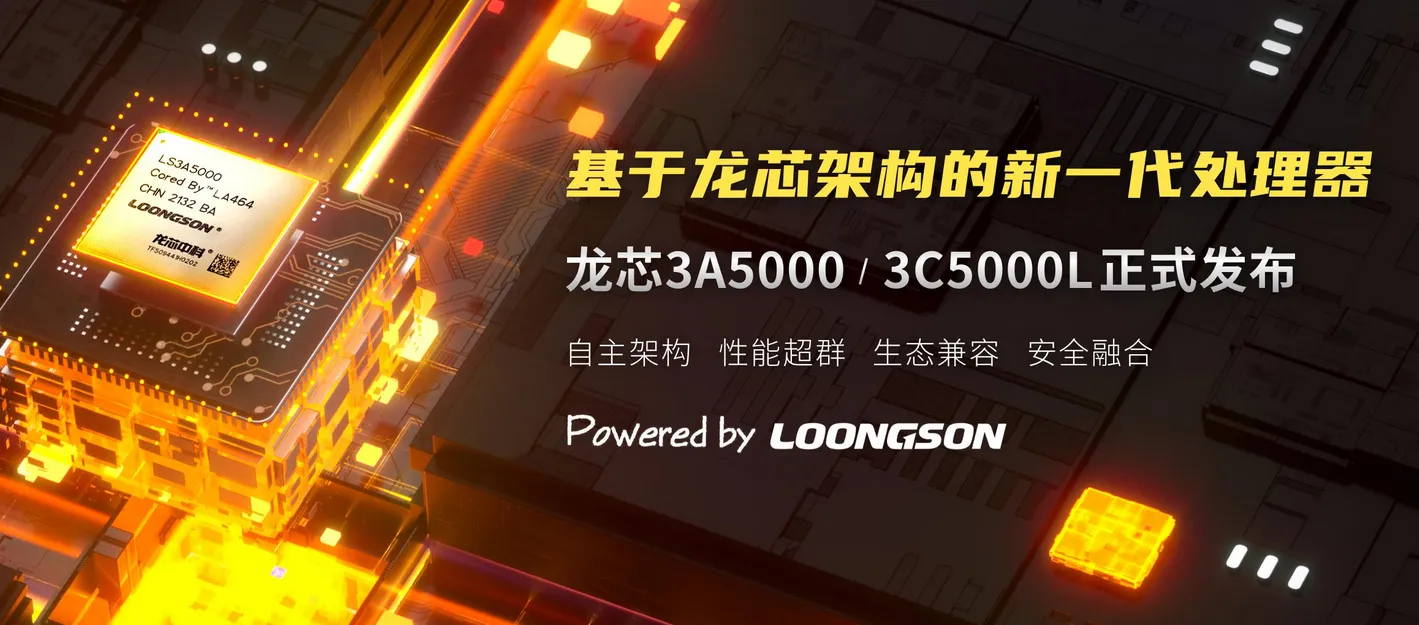

Debian 14 “Forky” Set to Embrace LoongArch64: What Does This Mean for the Future of Linux?
With the recent release of Debian 13, codenamed “Trixie,” the Linux community is already looking ahead to the next major iteration: Debian 14, affectionately named “Forky.” But what’s truly exciting isn’t just the new version number; it’s the potential for groundbreaking hardware support. Could Debian 14 be the release that officially welcomes LoongArch64 architecture into the fold? The answer appears to be a resounding yes, and it signals a significant step forward in the democratization and diversification of Linux support. This move opens a world of possibilities for developers and users alike.
Debian 14 “Forky”: A Glimpse into the Future
The announcement that Debian 14 “Forky” will likely include official LoongArch64 support is significant for several reasons. Debian, known for its stability and widespread use as a base for other distributions like Ubuntu, is a bellwether for hardware and software adoption within the Linux ecosystem. The inclusion of LoongArch64, often referred to as “Loong64,” represents not only a technical achievement but also a strategic one, reflecting the growing importance of Chinese processor technology in the global computing landscape. The “Bits from the Release Team: Let’s Fork(y)!” mailing list post officially heralded this potential addition.
What is LoongArch64 and Why Does It Matter?
LoongArch is a Reduced Instruction Set Computing (RISC) architecture developed by Loongson Technology Corporation in China. Unlike many other CPU architectures which rely on foreign licenses, LoongArch is based on a new instruction set designed independently in China. This independence has significant implications, particularly given ongoing geopolitical tensions and the desire for technological self-sufficiency.
Here’s why supporting LoongArch64 in Debian is a big deal:
-
Architectural Diversity: For years, x86 and ARM architectures have dominated the CPU market. Adding LoongArch64 to Debian’s supported architectures increases diversity and reduces reliance on a limited set of vendors.
-
Technological Independence: LoongArch allows China to develop its own computing ecosystem, reducing dependence on foreign technology, which is important for national security and economic growth. This technological sovereignty can also spur innovation and competition.
-
Open Source Contribution: By integrating LoongArch64 into Debian, the Loongson team is contributing to the open-source community. This collaboration benefits both the Debian project and the broader LoongArch ecosystem, fostering further development and adoption.
-
Market Expansion: Supporting LoongArch64 in Debian makes the distribution attractive to users and organizations in China and other regions where LoongArch processors are gaining traction.
-
Competition & Innovation: A new architecture in the market will promote innovation in processor design from Intel, AMD and ARM, driving performance and energy efficiency for all platforms.
To put it simply, LoongArch64 in Debian could be viewed as the start of something significant. Just as RISC-V saw its official debut with Debian 13, LoongArch64 is poised to receive its official debut within Debian 14.
The Path to Official Support: A Two-Year Journey
While the official announcement is a major step, the LoongArch64 port for Debian has been under development for approximately two years as an unofficial port. This involved significant work by developers to port software, optimize performance, and ensure compatibility. The fact that it has reached the stage where it’s being considered for official inclusion speaks volumes about the dedication and quality of the porting effort. According to the LoongArch and Loong64 port pages, the work included:
- Cross-compilation toolchain setup: Building the infrastructure to create LoongArch64 binaries on other architectures.
- Package porting: Rebuilding thousands of Debian packages for the LoongArch64 architecture.
- Kernel development: Ensuring the Linux kernel properly supports LoongArch64 hardware.
- Bug fixing and optimization: Identifying and resolving issues specific to the LoongArch64 architecture.
Challenges and Considerations
Despite the excitement surrounding LoongArch64 support, there are challenges that need to be addressed:
-
Architecture Qualification: As noted in the Debian mailing list announcement, the LoongArch64 architecture still needs to undergo a formal qualification process. This involves verifying that it meets Debian’s quality standards and technical requirements.
-
Software Availability: While many core Debian packages have been ported, ensuring that a wide range of software applications are available and optimized for LoongArch64 will be an ongoing effort.
-
Hardware Accessibility: LoongArch64 processors and development boards need to be readily available to developers and users to encourage experimentation and adoption.
-
Community Support: Building a strong community around LoongArch64 within the Debian ecosystem is essential for its long-term success.
How Does LoongArch64 Compare to Other Architectures?
| Feature | LoongArch64 | x86-64 | ARM64 (AArch64) | RISC-V |
|---|---|---|---|---|
| Architecture Type | RISC | CISC | RISC | RISC |
| Origin | China | Intel/AMD | ARM Holdings | Open Source |
| License | Proprietary | Proprietary | Proprietary | Open Source |
| Instruction Set | Unique | x86, x86-64 | AArch64 | RV64I + extensions |
| Key Advantages | Independence, control | Widespread adoption, performance | Energy efficiency, mobile | Flexibility, open source |
| Debian Support | Planned (Debian 14) | Supported | Supported | Supported (Debian 13) |
While the table above highlights key differences, the relative performance of LoongArch64 compared to x86-64 and ARM64 will depend on specific implementations and workloads. However, the key advantage of LoongArch64 lies in its architectural independence and potential for customization.
Implications for the Future of Linux
The inclusion of LoongArch64 in Debian 14 signifies a shift towards greater hardware diversity and a more inclusive open-source ecosystem. This move is not just about supporting a new architecture; it’s about empowering developers and users with more choices and fostering innovation across the board. This also opens up new avenues for utilizing Debian in embedded systems and other specialized computing environments where LoongArch64 processors may be particularly well-suited.
For instance, LoongArch processors are already finding applications in:
- Desktop computers: Offering an alternative to x86-based systems.
- Servers: Providing a platform for cloud computing and data centers.
- Embedded systems: Powering devices like routers, industrial controllers, and IoT devices.
“People Also Ask” About LoongArch64 and Debian
Here are some questions people might ask about LoongArch64 and Debian, along with brief answers:
- What is LoongArch64? LoongArch64 is a 64-bit RISC CPU architecture developed in China, aiming for technological independence.
- Why is LoongArch64 being added to Debian? To increase hardware diversity, promote open-source collaboration, and offer more choices to users.
- When will LoongArch64 be fully supported in Debian? Expected with the release of Debian 14 “Forky” around 2027, pending architecture qualification.
- How can I test LoongArch64 on Debian? Once officially supported, you’ll be able to download Debian images and install them on LoongArch64 hardware, which will likely be found in Chinese-made computers.
- Is LoongArch64 better than x86 or ARM? The performance depends on specific implementations and workloads. LoongArch64’s key advantage is its independence and potential for customization.
Debian 14 and LoongArch: Paving the Way for Greater Choice
The anticipated inclusion of LoongArch64 support in Debian 14 “Forky” represents a significant milestone in the evolution of the Linux operating system. It reflects a growing trend towards greater hardware diversity and a commitment to open-source collaboration on a global scale. While challenges remain in ensuring widespread software availability and hardware accessibility, the potential benefits for the Linux community and the broader technology landscape are undeniable. This move is a testament to the power of open-source development and its ability to embrace new technologies and architectures.
What do you think about Debian 14 embracing LoongArch64? Share your thoughts in the comments below!
Sources & Further Reading:
Original article at www.phoronix.com


