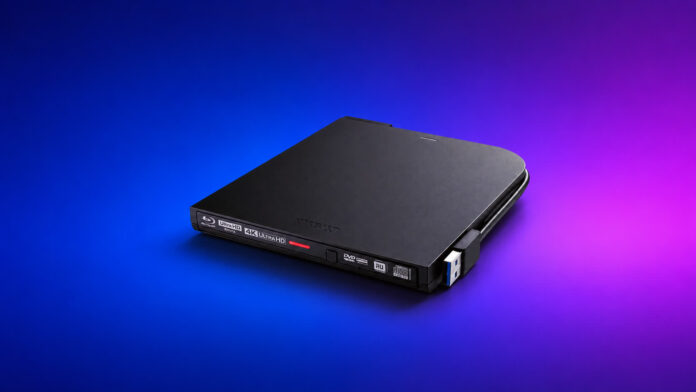

Briefly: At a time when physical media appears to be going the way of VCRs and dial-up modems, there is some good news from Japan — with caveats. Japanese peripherals maker Buffalo has walked back its decision to stop selling Blu-ray drives after securing the additional components it needed. The less welcome news is that prices will be up to 51% higher, which seems to be the norm these days, and production will end once the supply runs dry.
Buffalo announced in February that the three portable USB-connected Blu-ray drives it produces — the memorably named BRXLPT6U3E, BRXLPTV63B, and BRXLPTWOU3 series — would be withdrawn from sale in July. It added that there would be no successor models.
While some companies have left the Blu-ray market due to falling demand, Buffalo’s decision was later revealed to be a sadly familiar one: the memory crisis driving up component costs.
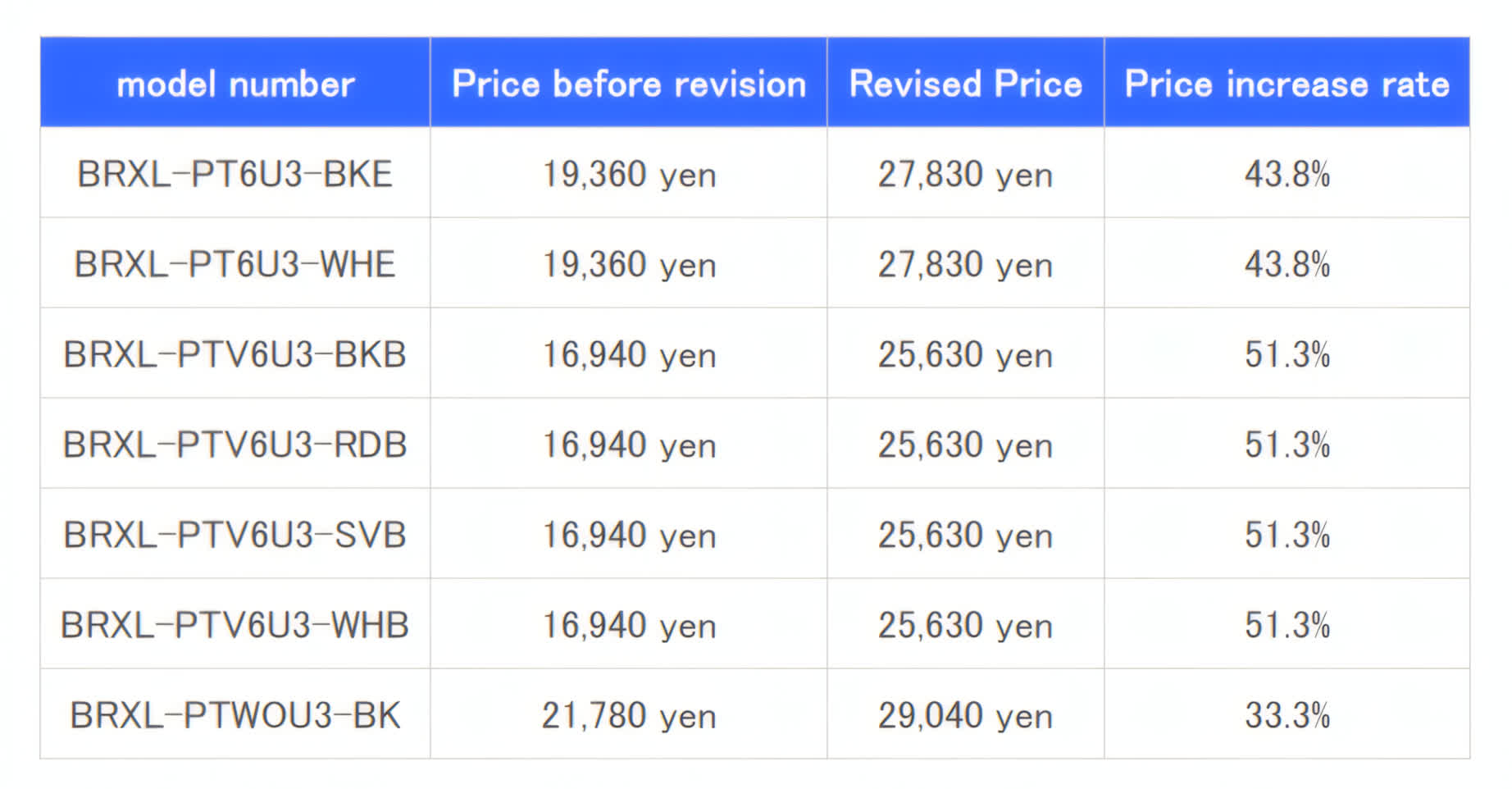
The cost of the more expensive components is being passed on to consumers. The largest hike hits the BRXL-PTV6U3 series, which will see all four products increase by 51.3%. The BRXL-PT6U3 goes up by 44%, while the BRXL-PTWOU3 receives a 33% increase.
Unfortunately, despite seemingly covering the additional component costs by charging more for the drives, Buffalo will only manufacture the Blu-ray drives while the current supply of components lasts. Once those components run out, sales will continue only until final inventory is depleted. This means there is no definitive end date for the products, since manufacturing volumes and retail inventory are unpredictable.
While much attention has been on Sony’s decision to stop producing new physical PlayStation games from 2028, the company had already exited the recordable Blu-ray market in February. Samsung, meanwhile, stopped making Blu-ray and UHD Blu-ray players around 2019. LG, which was at the time one of the few remaining major manufacturers, discontinued production of Blu-ray players in 2024.
Blu-ray continues to see high demand in regions like Japan, where physical anime collections and movie rentals are big business. In April, Verbatim and I-O Data pledged their support with new drives and discs at a time when major manufacturers were leaving the industry. It seems Blu-ray is not dead yet, but with the added challenge of component costs, it is certainly struggling.


