
Here’s the article:
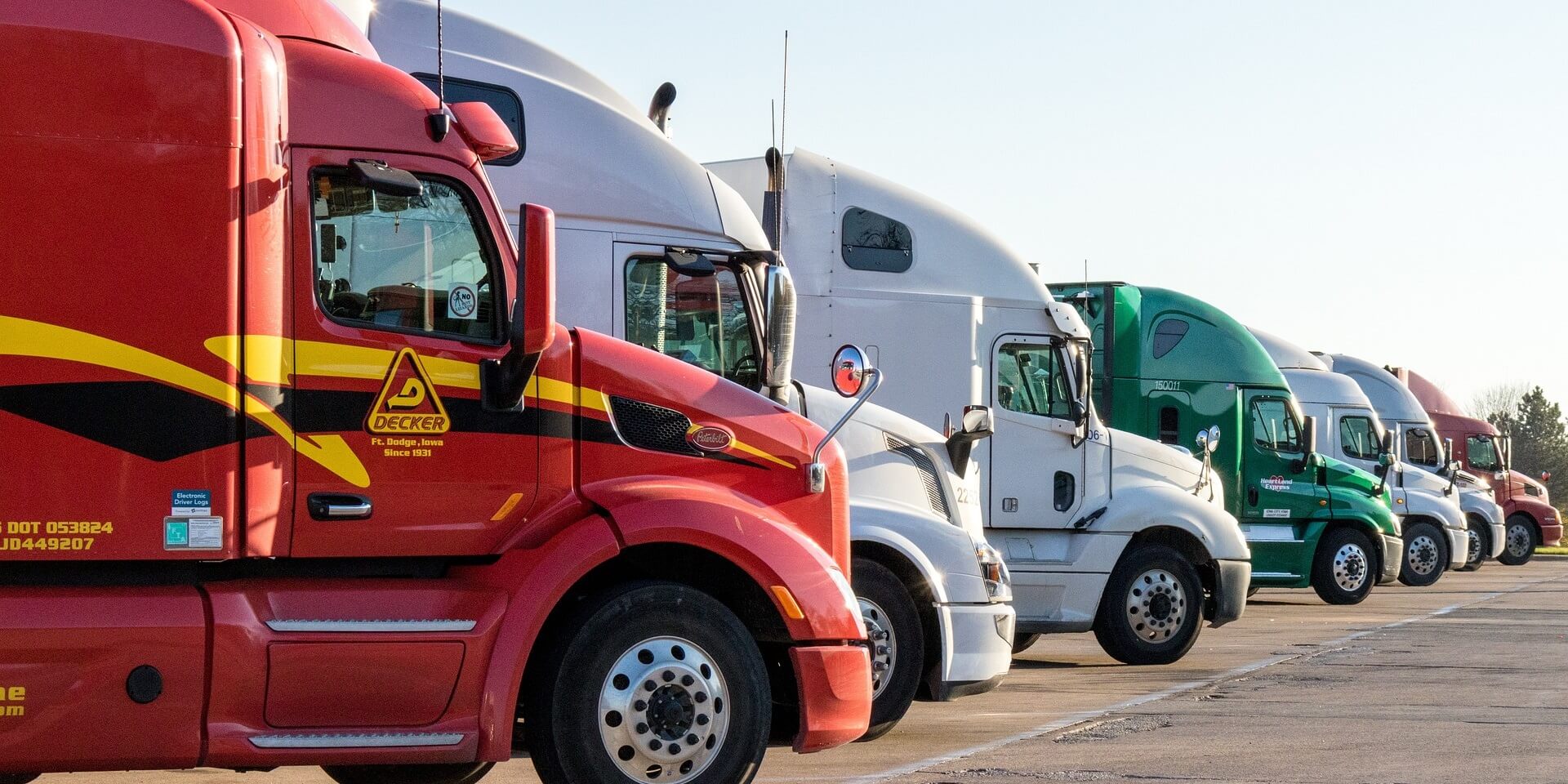
Are heavy truck tariffs really benefiting the US economy, or are they primarily burdening American businesses and straining relationships with key allies? While the promise of increased revenue through tariffs is alluring, a closer examination reveals that the impact of these tariffs, especially on heavy trucks, disproportionately affects countries that are not only friendly but also crucial partners in international trade and defense. This article will delve into the complexities of heavy truck tariffs, their impact on the US economy, and the geopolitical implications of targeting allies with such measures.
The Unintended Consequences of Heavy Truck Tariffs: Harming Allies and U.S. Businesses
The implementation of tariffs is often presented as a straightforward economic tool to protect domestic industries and generate revenue. However, the reality is far more nuanced, especially when considering the specific case of heavy truck tariffs. As the U.S. Chamber of Commerce aptly stated, “Imports of medium- and heavy-duty commercial trucks (commercial trucks) and parts used in their manufacture are sourced overwhelmingly from U.S. allies and defense partners.” This statement highlights a critical point: the primary targets of these tariffs are not adversaries but rather nations with whom the US has longstanding economic and strategic alliances.
Who Bears the Burden? Understanding the Impact of Import Taxes
It’s crucial to remember that tariffs are, at their core, import taxes paid by American businesses. While the initial cost is levied on the imported goods, the ultimate burden is frequently passed on to consumers through higher prices, or absorbed by the businesses themselves, potentially impacting profitability and investment. In the context of heavy trucks, this can have significant ramifications for the transportation, logistics, and construction industries, which rely heavily on these vehicles.
- Increased Costs for Businesses: Tariffs raise the cost of importing essential components and complete heavy trucks, squeezing profit margins for American businesses.
- Higher Prices for Consumers: The increased costs are often passed on to consumers, resulting in higher prices for goods and services that rely on the transportation of goods via heavy trucks.
- Reduced Investment and Innovation: Businesses facing higher costs may be forced to cut back on investment in research and development, hindering innovation and long-term competitiveness.
The List of Friendly Nations Affected by Truck Tariffs
The list of countries most affected by US heavy truck tariffs reads like a roll call of America’s closest allies. These nations are not only economic partners but also strategic allies in maintaining global stability. Let’s explore the top importers of heavy trucks into the US:
- Mexico: A key trading partner under the USMCA (United States-Mexico-Canada Agreement), Mexico is a significant supplier of heavy trucks and components to the US market. Tariffs disrupt this crucial supply chain.
- Canada: Another USMCA partner, Canada shares a deeply integrated economy with the United States. Tariffs on heavy trucks create friction and hinder cross-border trade.
- Japan: A longstanding ally and a major global economy, Japan is a key source of high-quality heavy trucks and related technologies. Tariffs can strain this vital economic relationship.
- Germany: A cornerstone of the European Union and a close US ally, Germany is a significant exporter of heavy trucks and engineering expertise. Tariffs create trade tensions and potentially damage transatlantic relations.
- Finland: While perhaps less well-known in the context of heavy truck manufacturing, Finland is a technologically advanced nation and a reliable ally in Europe. Its contributions to the heavy truck industry are impacted by these tariffs.
| Country | Role in Heavy Truck Supply Chain | Potential Impact of Tariffs |
|---|---|---|
| Mexico | Major exporter of trucks and components | Disruption of USMCA trade, economic damage to Mexican industry |
| Canada | Key trading partner in automotive sector | Increased costs for cross-border transportation, trade friction |
| Japan | Exporter of high-tech trucks and components | Reduced competitiveness of Japanese manufacturers |
| Germany | Exporter of advanced engineering and trucks | Trade tensions, potential retaliation |
| Finland | Supplier of specialized truck components | Disruption of supply chain for specific vehicle types |
These countries are far from being national security threats; instead, they are vital partners in promoting global trade, innovation, and security. Targeting them with tariffs undermines these relationships and potentially weakens the US’s overall geopolitical standing.
Why Are These Countries So Involved in Heavy Truck Manufacturing?
The strong presence of these nations in the heavy truck manufacturing sector is not accidental. It is the result of decades of investment in technology, skilled labor, and efficient production processes.
- Technological Innovation: Countries like Japan and Germany are renowned for their engineering prowess and technological advancements in the automotive industry, including heavy trucks.
- Skilled Labor Force: These countries possess highly skilled labor forces capable of producing complex and high-quality heavy trucks and components.
- Efficient Supply Chains: These nations have developed sophisticated and efficient supply chains that enable them to produce and export heavy trucks competitively.
- Trade Agreements and Open Markets: Agreements like the USMCA foster trade and encourage foreign investment, allowing these countries to integrate into the US market.
Are There Benefits to Heavy Truck Tariffs? A Critical Examination
While proponents of tariffs often point to potential benefits such as increased domestic production and revenue generation, these arguments are often overstated and fail to account for the broader economic consequences.
- Limited Impact on Domestic Production: It is unlikely that tariffs on heavy trucks will lead to a significant increase in domestic production, as the US industry already faces challenges related to labor costs and global competition.
- Potential for Retaliation: Tariffs can trigger retaliatory measures from affected countries, leading to trade wars that harm US exports and overall economic growth. This can also damage international relations.
- Economic Distortions: Tariffs distort market signals, leading to inefficient resource allocation and hindering economic growth.
As an example of damage international relations, following the U.S.’s initial imposition of steel and aluminum tariffs, several countries, including Canada, Mexico, and the European Union, retaliated with tariffs on a range of U.S. products. These actions damaged diplomatic ties and disrupted trade flows. Wikipedia: Trade War
The Broader Economic and Geopolitical Ramifications
The consequences of heavy truck tariffs extend beyond the immediate economic impact. These measures can have significant geopolitical ramifications, potentially undermining US leadership and weakening alliances.
- Damage to US Credibility: Targeting allies with tariffs damages the US’s credibility as a reliable trading partner and a defender of free trade principles.
- Weakened Alliances: Tariffs can strain relationships with key allies, potentially weakening their willingness to cooperate on other important issues, such as defense and security.
- Geopolitical Instability: Trade wars and protectionist measures can contribute to geopolitical instability, creating uncertainty and hindering global economic growth.
Conclusion: Rethinking the Strategy Behind Heavy Truck Tariffs
In conclusion, while the allure of revenue generation through tariffs is undeniable, the case of heavy truck tariffs demonstrates the potential for unintended consequences. These measures disproportionately impact US allies, disrupt vital supply chains, and potentially harm the US economy through increased costs and trade friction. It is crucial for policymakers to carefully consider the broader economic and geopolitical implications of tariffs and to explore alternative strategies for promoting domestic industries and fostering international cooperation. Ignoring these critical factors risks undermining America’s relationships with its strongest allies and ultimately harming the nation’s own economic interests.
What do you think? Should the US reconsider its approach to heavy truck tariffs and prioritize fostering stronger relationships with its allies? Comment below!
Sources & Further Reading:
Original article at tech.co


