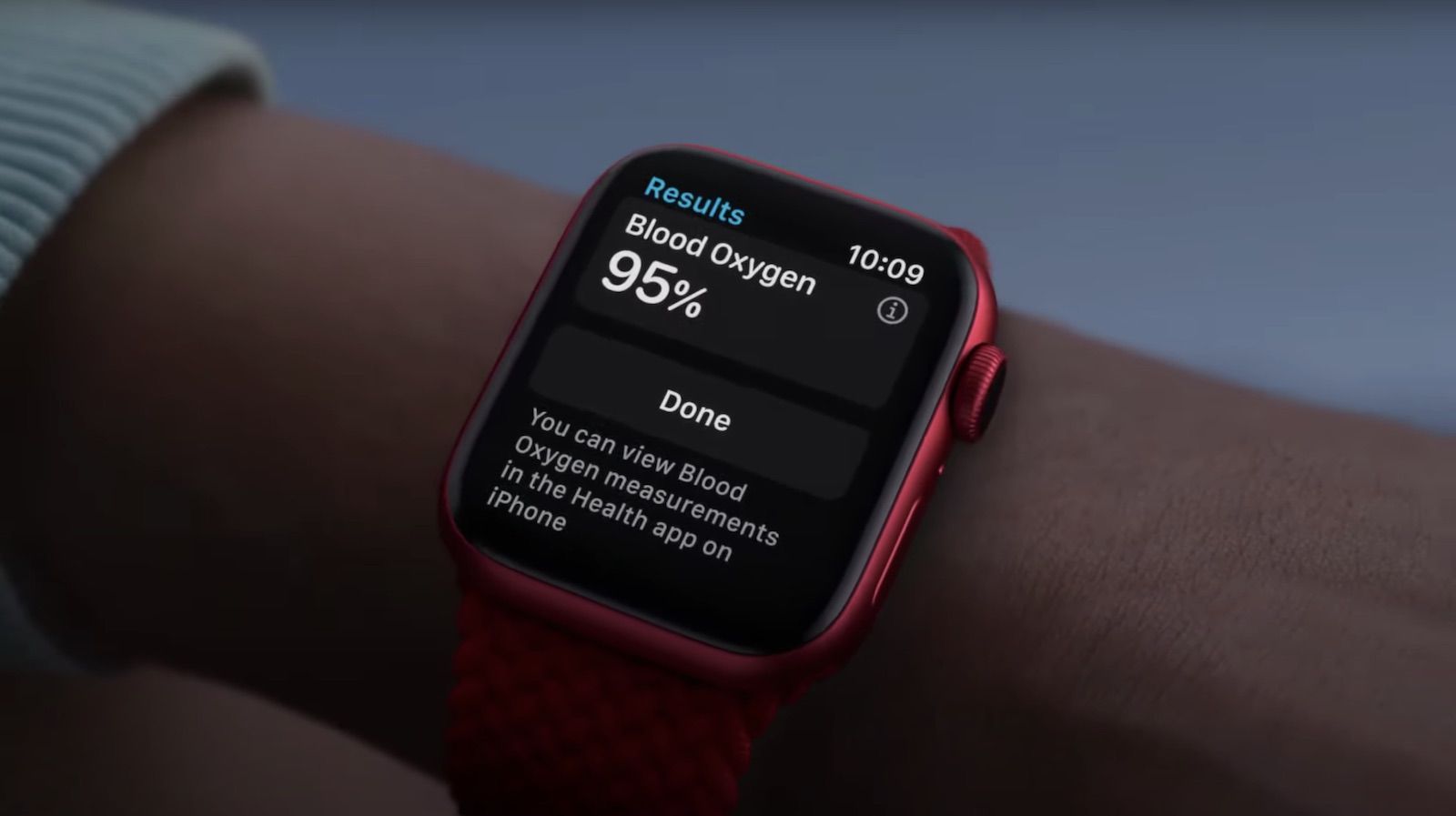

Is Apple Circumventing a Ban on Apple Watch’s Blood Oxygen Feature?
What happens when a tech giant’s innovation bumps heads with a smaller company’s patents? The answer is often a complex legal battle. The latest development in the ongoing patent dispute between medical technology company Masimo and Apple involves a lawsuit filed by Masimo against U.S. Customs and Border Protection (CBP). This lawsuit challenges CBP’s decision to allow Apple to restore blood oxygen monitoring functionality to its Apple Watch models. This article delves into the details of the lawsuit, the history of the conflict, and the potential implications for both companies and consumers. We’ll examine how the Apple Watch blood oxygen feature controversy is unfolding.
Masimo Sues U.S. Customs Over Apple Watch Import Decision
At the heart of the matter is Masimo’s claim that Apple is circumventing an import ban imposed due to patent infringement. The suit, filed in the U.S. District Court for the District of Columbia, alleges that CBP overstepped its authority by reversing its earlier decision and allowing the import of Apple Watches with pulse oximetry technology without notifying Masimo. Masimo argues that the CBP is meant to enforce ITC exclusion orders, not create loopholes to evade them. This sudden reversal effectively allows Apple to resume sales of the affected Apple Watch models with the blood oxygen monitoring feature enabled, a feature that Masimo claims infringes upon its patents.
The ITC Ruling and Subsequent Import Ban
The dispute between Masimo and Apple goes back to December 2023 when the International Trade Commission (ITC) ruled that Apple’s blood oxygen sensors in the Apple Watch Series 9 and Ultra 2 infringed on Masimo’s patents. This ruling led to an import ban on those specific Apple Watch models featuring the blood oxygen sensor. Apple briefly paused sales in the United States before resuming them in January 2024. The returned Series 9 and Ultra 2 models, however, lacked the blood oxygen monitoring feature, as the functionality was disabled via software.
Apple’s Workaround: Shifting Calculations to the iPhone
Apple’s strategy to circumvent the import ban involves a software update, specifically iOS 18.6.1 and watchOS 11.6.1, which shifts the blood oxygen calculations from the Apple Watch to a paired iPhone. This “workaround” allows the Apple Watch to collect the raw data, but the actual processing and determination of blood oxygen saturation occur on the iPhone. Masimo argues that this approach still infringes on its patents because the iPhone performs the same functionality that the ITC originally deemed infringing.
The diagram below highlights the difference of how the blood o2 measurement worked previously vs now.
| Feature | Pre Software Update | Post Software Update |
|---|---|---|
| Calculation Location | Apple Watch | Paired iPhone |
| Data Collection | Apple Watch | Apple Watch |
| Infringement Claim | Direct Infringement | Circumvention |
Why Masimo is Suing: Protecting Patents and Market Share
Masimo’s lawsuit against CBP isn’t just about one product or feature. It’s about protecting its intellectual property and market share in the medical technology industry. Masimo is a leading provider of innovative noninvasive monitoring technologies, including pulse oximetry. They have invested heavily in developing and patenting their technologies, and they view Apple’s actions as a threat to their business.
The Broader Implications of Patent Infringement
This case raises broader questions about the enforcement of patent laws and the ability of large companies to potentially circumvent regulations through creative technical solutions. If Apple’s workaround is deemed acceptable, it could set a precedent for other companies to similarly bypass import bans and patent restrictions, weakening the protection afforded to smaller innovators like Masimo. This could stifle innovation by reducing the incentive for companies to invest in research and development if their patents can be easily circumvented. A robust patent system encourages innovation.
Potential Impact on Consumers
The outcome of this legal battle could have implications for consumers as well. If Masimo prevails and Apple is forced to remove the blood oxygen feature or pay licensing fees, it could impact the availability and pricing of future Apple Watch models. On the other hand, if Apple succeeds, it could continue to offer the feature without facing any penalties, potentially benefiting consumers who rely on the Apple Watch for health monitoring. The user experience could also be affected, as shifting calculations to the iPhone might introduce delays or require users to have their iPhones nearby at all times.
The Legal Arguments and Potential Outcomes
Masimo is seeking a temporary restraining order and preliminary injunction to block the CBP’s decision. The legal arguments hinge on whether CBP exceeded its authority and whether Apple’s workaround effectively circumvents the ITC’s import ban.
Customs and Border Protection’s Role
CBP’s primary role is to enforce import laws and regulations, including exclusion orders issued by the ITC. Masimo argues that CBP should not have reversed its initial decision without consulting with Masimo or conducting a thorough investigation to determine whether Apple’s redesigned approach still infringes on Masimo’s patents.
Assessing Apple’s “Workaround”
The court will likely need to assess whether Apple’s shift in blood oxygen calculations to the iPhone is a genuine redesign that avoids infringement or merely a technical maneuver to bypass the import ban. This assessment will involve a detailed analysis of the underlying technology and patent claims. It’s possible that the courts could see the design changes and decide that a full re-evaluation of the case is necessary.
Potential Outcomes of the Lawsuit
The lawsuit could have several potential outcomes:
- Masimo wins: The court grants the temporary restraining order and preliminary injunction, forcing Apple to remove the blood oxygen feature or pay licensing fees to Masimo.
- Apple wins: The court sides with CBP, allowing Apple to continue selling Apple Watches with the blood oxygen feature enabled.
- Settlement: Masimo and Apple reach a settlement agreement, which could involve licensing fees, design changes, or other concessions.
Beyond Blood Oxygen: Apple’s Other Ongoing Projects
While the legal battle with Masimo unfolds, Apple continues to innovate in other areas. Recent reports suggest Apple is working on an all-new operating system, codenamed “Charismatic,” potentially designed for future smart home devices and robotics. This signals Apple’s ambition to expand beyond its traditional product categories. Furthermore, Apple is rumored to be launching new “TechWoven” cases for the iPhone 17 series, exploring alternative materials for its accessories.
Conclusion: A Complex Legal Battle with Broad Implications
The lawsuit filed by Masimo against U.S. Customs and Border Protection highlights the complexities of patent law and the challenges of enforcing import bans in the face of technological innovation. This case has far-reaching implications for both companies, as well as the broader tech industry. This dispute underscores the ongoing tension between protecting intellectual property rights and fostering innovation. The outcome of this case could influence how patent laws are interpreted and enforced in the future, potentially impacting the incentives for companies to invest in research and development. As the legal battle progresses, it’s important to consider the broader implications for innovation, competition, and consumer access to technology. What are your thoughts on this dispute? Share your opinions in the comments below!
Sources & Further Reading:
Original article at www.macrumors.com


