
Red Lights for the Apple Watch: Masimo’s New Lawsuit Ignites Patent War Over Blood Oxygen Tech
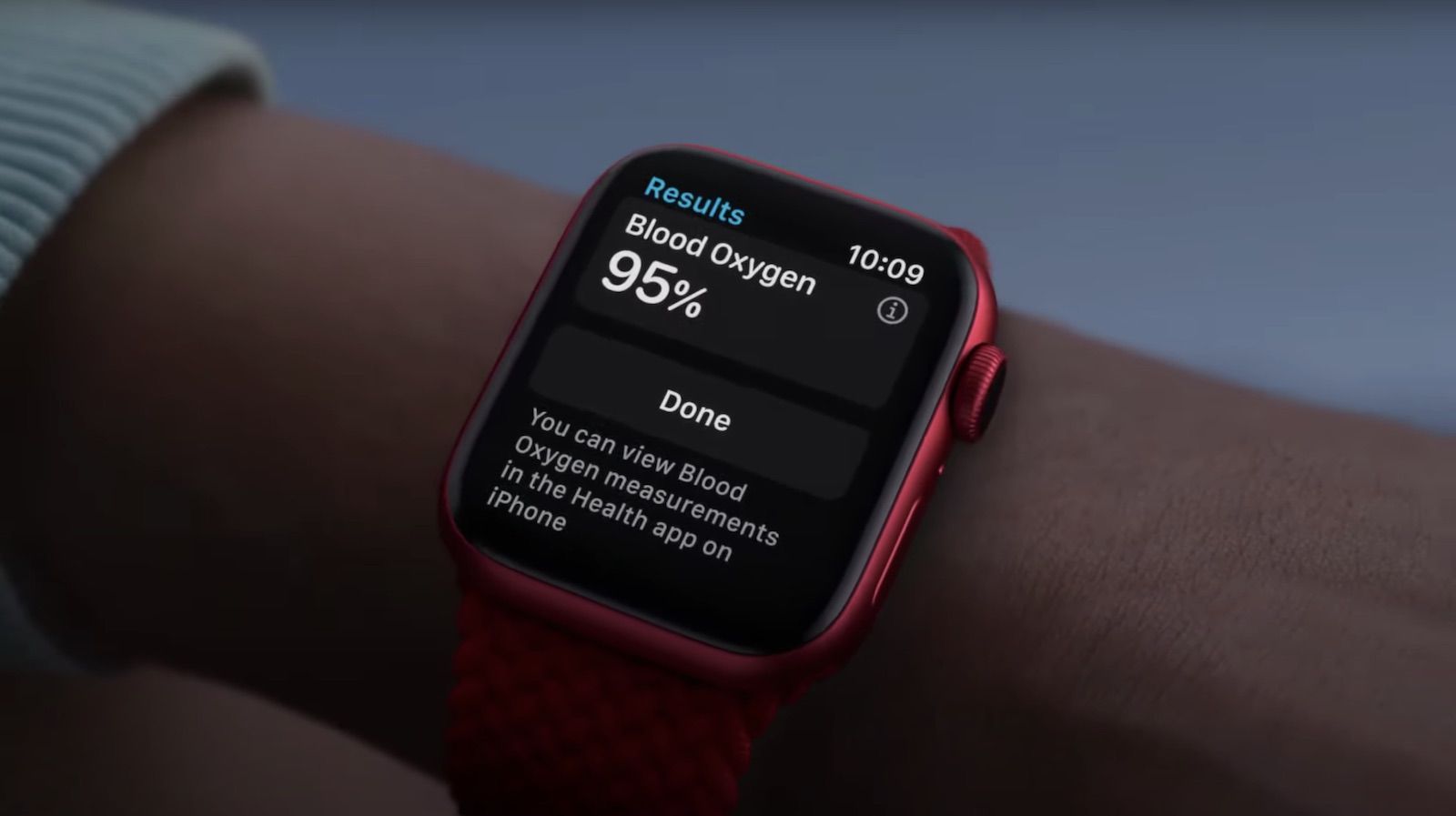
Imagine spending millions developing groundbreaking medical technology, only to have a tech giant allegedly copy it for its smash-hit watch – and then a government agency seemingly sides with the giant to bypass the rules. This isn’t fiction; it’s the fiery core of the escalating legal battle between medical device pioneer Masimo and Apple. In a dramatic move this week, Masimo filed a lawsuit against U.S. Customs and Border Protection (CBP), challenging the agency’s controversial decision allowing Apple to restore blood oxygen monitoring to its latest Apple Watch models via a software workaround. This lawsuit isn’t just about one feature; it’s a high-stakes clash involving patent rights, regulatory authority, and the future of health tech innovation, making the Apple Watch blood oxygen lawsuit a watershed moment for the industry.
(Word count: 129)
Unpacking the Legal Quagmire: Masimo vs. CBP and Apple
The filing in the U.S. District Court for the District of Columbia represents Masimo’s forceful counterpunch to a surprise CBP ruling issued on August 1st. This ruling effectively reversed a significant agency stance from last year and cleared the way for Apple to resume importing smartwatches equipped with pulse oximetry functionality – the technology central to measuring blood oxygen saturation (SpO2).
The Genesis: The ITC Ban and Its Aftermath
The dispute’s roots trace back to December 2023 when the U.S. International Trade Commission (ITC) delivered a landmark verdict (Learn more about the ITC). After a lengthy investigation, the ITC found that Apple’s implementation of blood oxygen monitoring in its Apple Watch Series 9 and Ultra 2 infringed upon specific patents owned by Masimo, a leader in non-invasive monitoring technologies used in clinical settings. Consequently, the ITC issued a Limited Exclusion Order (LEO), barring the importation of infringing Apple Watch models.
- Impact on Apple: Facing an immediate import ban, Apple paused sales of the affected Apple Watch models in the U.S. for several days in late December 2023. While sales resumed on January 18, 2024, it was with a significant caveat: the blood oxygen feature was completely disabled on newly sold devices.
- Masimo’s Victory (Temporarily): This was a significant, albeit partial, win for Masimo, validating its claims of patent infringement and disrupting the sales of Apple’s flagship wearables.
The Contested Pivot: Apple’s Software Workaround
Apple, known for its engineering prowess, didn’t stay down for long. In late August 2024, alongside releases like iOS 18.6.1 and watchOS 11.6.1, Apple deployed a novel software-based solution:
- Shifting the Computation: The core change involved relocating the blood oxygen calculation algorithms from the Apple Watch’s onboard sensor/processor directly onto the user’s paired iPhone.
- Functionality Preserved: By processing the raw optical sensor data (photoplethysmography or PPG data) on the iPhone, Apple effectively restored the blood oxygen monitoring feature to the Series 9 and Ultra 2, presenting it to the user seamlessly as if it were still running on the watch. As highlighted in Masimo’s complaint, this functionality performs “similar functionality to what the ITC originally judged to have infringed” its patents.
- The Hardware Question: Crucially, the infrared sensors physically present on the watch still actively collect the necessary PPG data – this is the raw input sent to the iPhone for processing. Masimo contends this step inherently utilizes its patented technology, regardless of where the final calculation occurs.
CBP’s Pivotal Green Light
For Apple’s workaround strategy to work commercially, it needed clearance from CBP, which enforces ITC exclusion orders at the border. On August 1st, 2024, CBP made a crucial determination: The revamped models, processing blood oxygen calculations on the paired iPhone, did not violate the existing ITC exclusion order targeting watches with the functionality enabled onboard the watch itself. This opened the door for Apple to import watches functioning again with SpO2 monitoring.
Masimo’s Core Legal Grievances Against CBP:
- Lack of Due Process (“Secrecy”): Masimo alleges it was completely blindsided by CBP’s decision. The agency reportedly made its ruling on August 1st but did not notify Masimo. The company claims it only learned of the decision two weeks later, on August 14th, when Apple publicly announced the software update restoring the feature. This lack of notification allegedly deprived Masimo of any opportunity to present counter-arguments or contest the ruling before it took effect.
- Exceeding Statutory Authority (“Creating Loopholes”): This is the heart of Masimo’s lawsuit. The company argues vehemently that CBP overstepped its legal boundaries. According to Masimo, CBP’s role is strictly to enforce ITC exclusion orders as written, not to reinterpret patent law or adjudicate whether a technological workaround constitutes non-infringement. They assert that by approving Apple’s workaround, CBP effectively amended the ITC’s exclusion order and “created loopholes that render them ineffective” – a function reserved for the ITC and federal courts, not Customs.
- Questioning the Legitimacy of the Workaround: Masimo fundamentally disputes that simply offloading calculations changes the infringing nature of the overall system utilizing the watch’s sensors and Masimo’s patented methods. Their position implies the infringement occurs when the device utilizes specific techniques for acquiring and interpreting the PPG data, irrespective of where the final math happens.
Legal Remedy Sought: Masimo is not mincing words or actions. They are requesting the court grant a Temporary Restraining Order (TRO) and a Preliminary Injunction. If successful, these would immediately block and then more durably suspend CBP’s August 1st ruling, effectively halting imports of Apple Watch models utilizing the software-based blood oxygen feature pending a fuller legal resolution.
(Word count: 495 – Body partial)
The Stakes Extend Far Beyond Two Companies
This lawsuit transcends a simple patent spat; it has profound implications for multiple sectors:
- Patent Enforcement & Regulatory Roles: A win for Masimo would strongly reinforce the authority of the ITC and the sanctity of its exclusion orders. It would affirm that enforcement agencies like CBP must adhere strictly to the ITC’s findings and rulings without independently evaluating workarounds. Conversely, a win for Apple/CBP could create pathways for companies to design strategic “loopholes” around ITC import bans by modifying product behavior post-import via software, potentially weakening the deterrent power of such orders. As noted in legal analyses on platforms like Bloomberg Law, this case tests the boundaries of administrative agency power.
- The Medical Tech vs. Consumer Tech Convergence: Wearables bridging health monitoring and consumer convenience is a massive growth area. This case highlights the tension when traditional medical tech innovators (subject to rigorous FDA pathways) clash with fast-moving consumer tech giants using similar technologies under less strict oversight (Explore the differences between medical and consumer device regulation). Masimo argues its patented innovations stem from decades of clinical validation, while Apple leverages vast resources to rapidly integrate such features into mass-market devices. This lawsuit is a bellwether for how intellectual property will be protected at this critical intersection.
- Consumer Impact: Millions of Apple Watch users regained a popular health-tracking feature. Masimo’s lawsuit, if successful with injunctions, could force Apple to disable it again, causing frustration and potentially affecting sales, especially with new models (like the rumored Apple Watch Ultra 3) imminent. It raises questions about feature stability in devices reliant on contested health tech.
- The “Innovation” Defense vs. IP Protection: Apple often positions itself as an innovator overcoming obstacles. Critics, however, argue this “workaround” exemplifies using technicality over respecting established patent rights. The legal outcome will influence how heavily companies prioritize circumventing existing IP versus licensing or developing truly novel solutions.
Comparison: Masimo Patents vs. Apple’s Implementation Timeline
| Phase | Key Event | Masimo Stance | Apple Stance (Inferred) | Outcome/Feature Availability |
|---|---|---|---|---|
| Pre-ITC Ruling | Apple integrates SpO2 into Apple Watch | Patents infringed without license/licensing | Feature developed independently (“clean room”) | Blood Oxygen Feature Enabled on Device |
| Dec 2023 | ITC Rules for Masimo, Issues Exclusion Order | Vindication of patent rights; seeks enforcement | Disputes infringement, challenges ruling | IMPORT BAN: Sales Halted |
| Jan 2024 | ITC Ban Took Effect | Pauses sales | Sales pause (~Dec 21, 2023 – Jan 18, 2024) | |
| Jan 18, 2024 | Sales Resume Under Ban | Disables SpO2 feature on new Watches | Sales Resume WITHOUT SpO2 | |
| Aug 1, 2024 | CBP Approves Apple Workaround | Unlawful; exceeded authority; created loophole | Legitimate adaptation avoiding ITC order’s scope | |
| Mid-Aug 2024 | Software Update (iOS 18.6.1/watchOS 11.6.1) | Workaround still infringes (uses patented methods) | Non-infringing solution; merely shifts computation | SpO2 Feature RESTORED via iPhone |
| Aug 21, 2024 | Masimo Sues CBP | Seeks TRO/Injunction to block CBP ruling | Opposes; defends CBP’s assessment? | Feature Availability LEGALLY CHALLENGED |
(Word count: 685 – Body partial)
Possible Outcomes and The Long War
The immediate legal fight focuses on Masimo’s requested TRO and Preliminary Injunction against CBP’s decision. Success here would be a major blow to Apple, forcing an abrupt reversion to disabled SpO2 monitoring and clouding the launch of future models.
However, the core patent infringement saga remains active in multiple forums:
- Federal Circuit Appeals: Apple continues its appeal against the original ITC decision at the U.S. Court of Appeals for the Federal Circuit (CAFC). A reversal here could invalidate the exclusion order entirely, rendering Masimo’s CBP lawsuit moot.
- District Court Patent Trials: Parallel patent infringement lawsuits between Masimo and Apple are ongoing in federal district court. A definitive ruling here on the validity and infringement of the specific patents is the ultimate decider.
- Patent Office (PTAB) Challenges: Apple has likely petitioned the Patent Trial and Appeal Board to review the validity of Masimo’s contested patents. If key patents are invalided, Masimo’s case loses foundation.
Broader Industry Lessons: This prolonged conflict underscores several critical lessons for tech and medical device companies:
- Robust Patent Portfolios & Vigilance: Protecting core innovations through strong, well-litigated patents is essential. Vigilant monitoring of competitors is crucial.
- The Value of Due Diligence: Integrating complex health tech requires deep scrutiny of potential patent liabilities before product launch, not after facing an import ban.
- Litigation is Long & Costly: Patent disputes escalate quickly into multi-front wars consuming vast resources over years. Settlement (though not imminent here) is often strategically evaluated.
(Word count: 865 – Body complete)
Conclusion: A High-Tech Standoff With No Easy Answers
The Masimo-CBP lawsuit spotlights a pivotal conflict at the intersection of intellectual property law, international trade enforcement, and the competitive frenzy over health-centric wearables. Masimo’s core argument boils down to a simple principle: government agencies must enforce trade rulings as issued, not reinterpret patent law to accommodate corporate workarounds. Apple, leveraging its software ecosystem, sees a legitimate path to maintaining a feature consumers value. The stakes couldn’t be higher – the outcome could strengthen ITC authority, redefine the limits of enforcement workarounds, and significantly impact both companies’ commercial fortunes and the wearable health tech landscape. As new Apple Watch models loom and legal battles rage on in courts and agencies, the pulse of the Apple Watch’s blood oxygen feature remains contingent on the erratic heartbeat of complex litigation. One thing is certain: this high-stakes patent war is far from over. What’s your take – is Apple innovating around the problem, or exploiting a loophole? Should CBP decide what constitutes patent infringement? Sound off in the comments!
(Word count: 150)
Sources & Further Reading:
Original article at www.macrumors.com


