
The Tea App Catastrophe: When Digital Vigilantism, Revenge Culture, and Data Vulnerability Collide
Introduction (148 words)
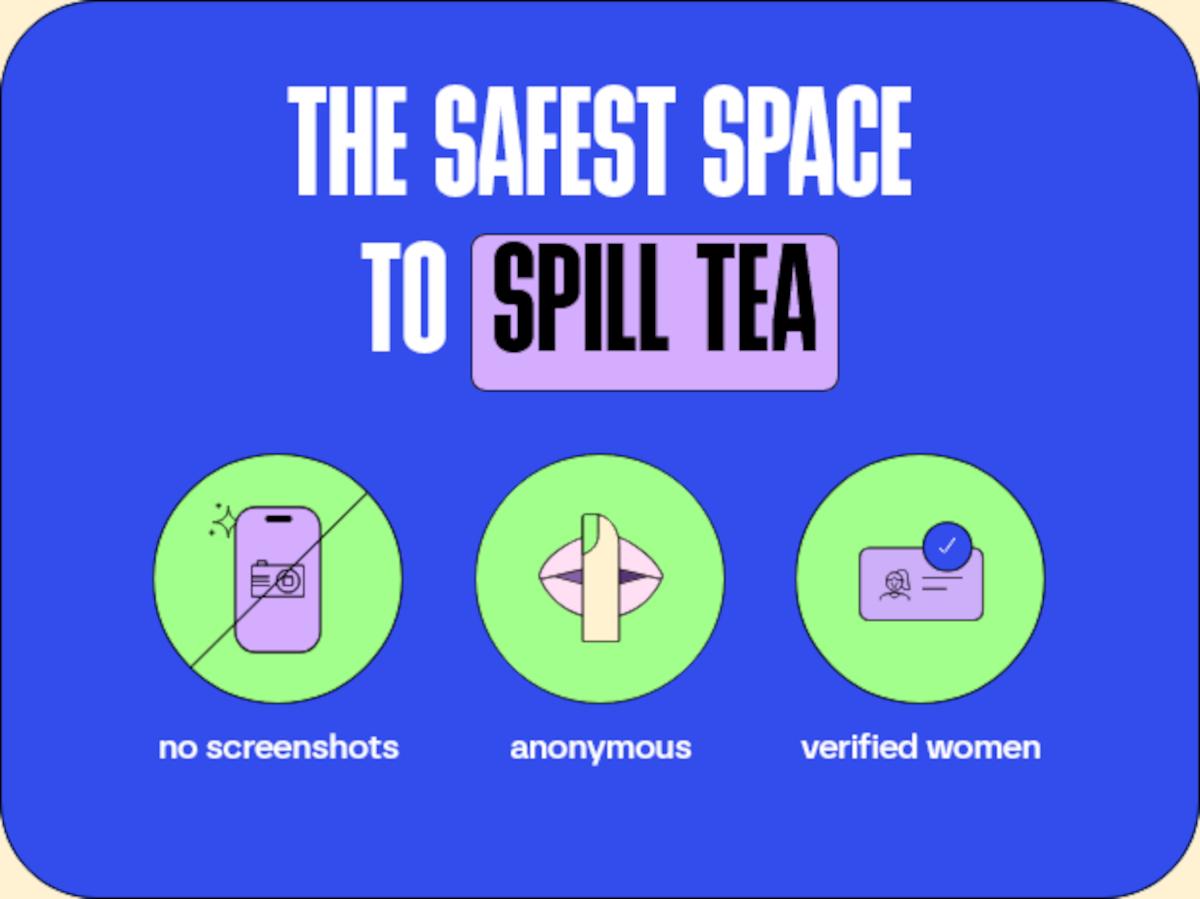
Imagine an app designed to empower women, a digital shield against manipulative or abusive partners, fueled by anonymous warnings and shared experiences. Sounds noble, right? Now, imagine that same app morphing into a weapon for revenge fueled hatchet jobs, collapsing under its own hypocrisy after a catastrophic data breach exposed its users to the very dangers it claimed to combat. This wasn’t dystopian fiction; it was the harsh reality of the “Tea” app. Promoted as a safe space for women to warn each other about men (“spill the tea”), its fundamental flaws – rampant unmoderated accusations, inherent bias, and reckless data handling – led to a dramatic implosion. This case study starkly reveals the double-edged sword of anonymous platforms, the toxicity of unchecked dating app privacy violations, and serves as a dire warning about the perilous consequences of collecting sensitive personal data without iron-clad security. The road to hell, indeed, was paved with Tea’s good intentions.
Part 1: The Well-Intentioned Foundation and its Fatal Flaws
The Tea app entered a landscape fraught with genuine anxieties. Dating apps, while convenient, present unique risks, particularly for women who statistically face higher rates of harassment, assault, and abuse initiated through these platforms (Sources: Pew Research Center surveys on online harassment). The founders identified a real need for community-driven safety tools. Their solution? An exclusive, women-only space for anonymous sharing of experiences (“tea”) about men encountered in the dating scene.
The Core Premise and Its Immediate Problems
- One-Sided Narrative: The app barred men entirely, preventing any right of reply, clarification, or defense. While framed as creating a “safe space,” this automatically eliminated any semblance of balance or due process.
- Anonymity & Weaponization: Users operated under complete anonymity when posting. Combined with the emotional rawness of dating failures and breakups, this toxic combination proved irresistible for:
- Revenge Posting: Settling scores by publicly humiliating ex-partners.
- Vindictive Gossip: Sharing exaggerated claims or highly private details (intimate messages, photos) without context.
- Character Assassination: Labeling individuals as “narcissists,” “cheaters,” or “dangerous” based solely on subjective, unverified accounts.
- Lack of Moderation & Evidence: Crucially, Tea reportedly lacked robust mechanisms for verifying claims. Allegations of abuse or misconduct were often presented without evidence or context, turning the platform into a digital witch hunt where accusations equaled conviction. Screenshots from the app, leaked later, confirmed this descent into unmoderated shaming and vindictiveness. It transformed from a safety tool into a “book to burn,” as described aptly in the source.
Psychological Underpinnings of the Downfall
- Cognitive Bias Amplification: Anonymity emboldens the “Online Disinhibition Effect,” where people say and do things online they never would in person.
- Emotional Contagion: Platforms designed around negative experiences can foster groupthink and amplify anger or bitterness, validating extreme perspectives.
- Lack of Accountability: With no fear of repercussion and no pushback, harmful behavior flourished unchecked.
This fundamental design – exclusion, unchecked anonymity, no verification, no defense – was a recipe for disaster waiting to happen. The descent into vindictiveness wasn’t surprising; it was predictable.
Comparison: Tea App Flaws vs. Best Practice Principles for Safety-Focused Platforms
| Feature | Tea App Implementation | Principles for Effective & Ethical Safety Platforms |
| :——————– | :—————————————————— | :——————————————————- |
| Target Audience | Exclusively Women | Could be women-focused community, but avoid blanket bans preventing response; safeguards must respect citizen rights |
| Anonymity (Posting)| Complete anonymity for accusers | Could allow anonymity IF coupled with rigorous verification of claims & moderated review |
| Right to Respond | None for the accused | Essential. Mechanisms for notification (where safe) and response or appeal must exist |
| Verification | Minimal to none for allegations; intrusive for user sign-up (ID, etc.) | Robust processes for fact-checking serious claims; minimal sensitive data collection at sign-up |
| Moderation | Apparent lack of proactive or effective moderation | Dedicated, trained human moderators + clear community guidelines & enforcement |
Part 2: The Ironic Implosion: The Devastating Data Breach
The users posting on Tea operated under the illusion of safety provided by their anonymity within the app’s walls. They shared highly sensitive “tea,” relying on the platform’s promises of secrecy. This false sense of security was brutally shattered by the app’s second, colossal failure: inadequate data security.
The Breach: Full Exposure
The data breach was catastrophic. It didn’t just expose usernames; it revealed the real identities behind every anonymous Tea post. The leaked data reportedly included:
- Users’ full legal names
- Profile pictures used for app verification
- Scans of National Identification documents
- Home addresses
Poetic Justice Turns Vindictive Retaliation
This leak wasn’t just an exposure; it was the ultimate role reversal. The “protected” became the exposed targets. The very men who had been anonymously slandered, mocked, or had their private lives dissected on Tea now possessed the ultimate counter-weapon: the complete identities and addresses of their accusers.
In a grim reflection of the app’s own toxic culture, some men leveraged this data not just for personal confrontation, but to engage in retaliatory behavior mirroring what happened on Tea:
- Creating databases or groups rating women based on the leaked data and Tea posts (ironically perpetuating objectification).
- Doxxing: Publicly sharing women’s names, photos, and addresses online.
- Harassment campaigns using the exposed personal information.
- Taking the moral high ground: Some explicitly stated their actions highlighted the hypocrisy – asking women how they liked having their privacy invaded and details dissected anonymously online, echoing the very harm inflicted on men via Tea. “How does it feel?” became a chilling rhetorical weapon. While their methods were unequivocally wrong and dangerous, their underlying point about the app’s inherent cruelty resonated tragically.
Cybersecurity Failure: Beyond a Simple Hack
The breach underscored profound security negligence:
- Massive Over-collection: Requiring national IDs and addresses for a gossip app was inherently excessive and unnecessary for its purported function, exponentially increasing the potential harm of a breach.
- Weak Security Protocols: The breach signifies a failure in fundamental cybersecurity hygiene – likely inadequate data encryption, poor access controls, lack of penetration testing, or insufficient network security.
- Ignoring Data Minimization: The principle of collecting only the data absolutely necessary for core functionality was blatantly ignored. (Source: GDPR Article 5(1)(c), Data Minimization Principle ).
Part 3: The Bigger Nightmare: Tea as a Stark Warning for Data Verification Mandates
While the human drama of revenge and hypocrisy is compelling, the Tea app saga transcends gossip. It serves as a terrifying microcosm of the dangers inherent in the global push for mandatory digital identity verification.
-
The Global Verification Trend: Governments worldwide, led significantly by the UK (e.g., Online Safety Bill provisions), the EU (Digital Services Act), and other countries, are increasingly proposing or enacting laws requiring online platforms (especially social media and potentially dating apps) to verify users’ ages and identities using official documents. The stated goals: curb hate speech, harassment, child exploitation, and malicious bots. (Sources: Official UK Government publications on the Online Safety Bill; European Commission DSA summaries).
-
Tea’s Chilling Blueprint: Tea preempted this trend. It collected exactly the kind of data (full names, IDs, photos, addresses) that mandated verification laws envision requiring. And it failed catastrophically to protect it. The consequences weren’t abstract financial losses; they were deeply personal, involving reputational destruction, harassment, and tangible safety risks.
-
Risks Scaled Up:
- Mass Breach Vulnerability: Imagine a national-level app or a major social platform mandated to collect IDs suffering a Tea-scale breach. The volume of exposed sensitive data would dwarf Tea’s leak, impacting millions. Historical precedent exists: massive breaches like Equifax demonstrate the scale of risk.
- State-Level Databases: While verification might involve third parties, the creation of massive databases linking verified online identities to real-world documents and addresses creates a single point of catastrophic failure attractive to both hackers and oppressive states.
- Chilling Effects & Exclusion: Mandatory verification risks silencing marginalized voices, activists, or whistleblowers who rely on anonymity for safety, discouraging participation in online discourse. It could also exclude individuals lacking official ID.
- Surveillance & Function Creep: Once collected, the potential for governments or malicious actors to misuse verified identity data for surveillance purposes beyond the original intent is a significant threat.
- Table: Tea-Small Scale vs. Mandatory Verification – Potential Impacts of a Breach
| Risk Factor | Tea App | Mandatory Verification Law for Platforms |
| :———————— | :——————————- | :——————————————— |
| Potential Number Affected | Hundreds/Thousands | Millions, Potentially Hundreds of Millions |
| Data Exposed | Names, IDs, Photos, Addresses | Names, Government IDs, Photos, Addresses, Biometrics(?*) |
| Harm Profile | Personal Harassment, Doxxing | Mass Identity Theft, Targeted State/Political Repression, Unprecedented Doxxing, Financial Fraud |
| Attack Motivation | Revenge, Harassment | Financial Gain (Identity Theft Markets), Espionage, Political Sabotage, Large-Scale Fraud |
| Source Creation | Single App Failure | Government Mandate Creates Many Large Targets |
(Biometrics are increasingly linked to IDs).*
Part 4: Lessons Unlearned? Navigating Safety, Accountability, and Privacy
Tea’s story isn’t just a cautionary tale; it’s a demand for nuance.
- Privacy ≠ Impunity: The need to protect victims and promote safety online is undeniable. However, platforms predicated solely on anonymous accusations without mechanism for truth-seeking reinforce cycles of online abuse and distrust, solving nothing. Tea empowered abusers within its user base as much as it aimed to protect them from external threats.
- Data Minimization as Paramount: Tea’s core failure wasn’t just the breach; it was the reckless collection of excessive, sensitive data it didn’t functionally need. Any platform, but especially those holding verified ID under future laws, must embrace the principle of data minimization. Collect the absolute minimum required and store it only as long as necessary. (Source: Electronic Frontier Foundation on Data Minimization).
- Robust Security is Non-Negotiable: If sensitive data is collected, security must be fortress-like, involving encryption (at rest and in transit), strict access controls, regular audits, and breach response plans. Tea proved that negligence here causes real human suffering. Platforms and governments pushing verification laws must invest commensurate resources in security.
- Accountability & Nuance vs. Blanket Solutions: Effective moderation and ethical platform design require nuanced approaches:
- Credible abuse reports need investigation channels.
- Clear guidelines against harassment and doxxing.
- Fair moderation processes.
- Protecting vulnerable users without sacrificing fundamental fairness or enabling weaponized anonymity.
- Beyond Verification to Damage Control: Legislation should prioritize robust legal recourse for victims of proven online harms, effective law enforcement against online predation/harassment, and promoting platform responsibility for content moderation transparency and user safety. Mandatory verification is a blunt instrument with potentially devastating side effects, as Tea chillingly demonstrated on a small scale.
Conclusion (145 words)
The Tea app imploded under the weight of its contradictions. What began as a tool for women’s safety rapidly devolved into a chaotic echo chamber of anonymous vengeance, proving the inherent dangers of unchecked one-sided narratives. Its catastrophic data breach then inflicted poetic, yet deeply troubling, justice by exposing users to harassment mirroring what they themselves had enabled. But the true significance of Tea transcends dating drama. It is a chilling canary in the coal mine for the risky global move towards mandatory online identity verification. Collecting IDs enforces enormous responsibility; Tea’s failure exemplifies the devastating personal consequences when security fails. As societies grapple with online safety, we must demand solutions that protect victims without sacrificing justice, privacy, and fundamental security principles. Are mandatory digital IDs the solution to online harms, or are we sleepwalking towards creating far larger security nightmares? What safeguards are truly sufficient? Let us know your thoughts below.
Sources & Further Reading:
Original article at www.techzim.co.zw


