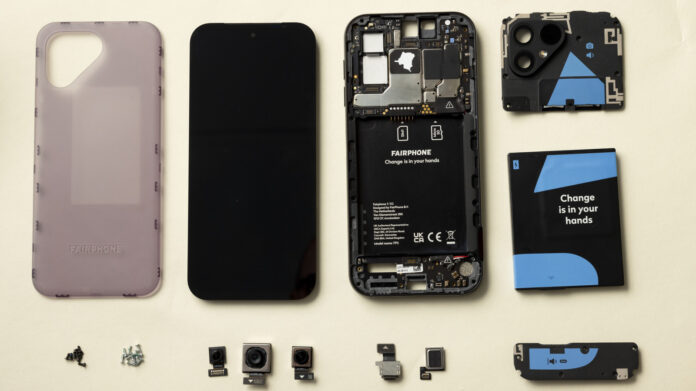

It can be very frustrating when your phone’s hardware breaks. Cell phones have transformed and evolved dramatically over time, and now smartphones are personal pocket computers we depend on every day. So when you crack the screen or your camera stops working, it can become a big problem very quickly.
Smartphones are delicate devices with lots of tiny tech packed into them, so it can be hard to see them as repairable. But it’s easier to get your phone repaired than you think, and depending on the part, it’s often cheaper than buying a brand-new phone. With flagship phones often costing over a thousand dollars, the cost of fixing what you already own is a viable and even preferable course of action.
You don’t want to wait too long to repair a broken part either. Many issues are more than just minor frustrations or cosmetic, and over time, problems that seem small can get worse. If you’re using your phone as often as most people are, it is essential to keep it in the best shape possible.
Phone Battery
Batteries are among the most common parts of a phone that degrade over time, and if your phone is having trouble holding a charge, your battery is likely the culprit. After about 500 charge cycles, lithium-ion batteries start losing their charging capacity. Many people also have bad habits that affect phone battery health, causing it to degrade even faster.
Fortunately, getting a replacement battery is easy enough, and depending on your phone model, you might be able to replace it yourself. If you are thinking of replacing the battery yourself, be sure to do your research first — some phones are easier to repair than others. Getting a professional to do a battery replacement will cost, on average, between $60 and $220.
One thing to keep in mind: if the back of your phone is swelling or gets extremely hot, you may be dealing with a swollen battery. These are dangerous and can pose a fire hazard, so be sure to have a professional replace the battery safely.
Charging Port
Your phone failing to charge isn’t always due to the battery; sometimes the charging port is to blame. A failing charging port is often easy to spot — you may not see the usual charging notifications on your phone, or the cable will repeatedly disconnect from the port. Alternatively, the phone may not charge quickly even with the right charger and cable.
Since being unable to charge the phone becomes a problem very quickly, this part is a priority to repair when it breaks. Even if you can sometimes get your charging cable to work, you may not be getting a proper charge, and other accessories you might use with the port may not work well either.
What’s important to note is that charging ports don’t actually break as often as you might think, given how exposed they are. Often, the problem has to do with debris or moisture affecting the connection. If you suspect the issue is debris, using compressed air is your best bet. Using something like a toothpick to clean the port can damage it.
If you have ruled out debris and moisture, first try some software fixes for potential charging port issues before considering a replacement. Replacing a charging port yourself can be easy, but some of them are soldered onto the circuit board. A professional can repair all types of charging ports, and it will typically cost you between $40 and $150.
Phone Screen
Screens are one of the most common parts of a phone to break. It’s all too easy for any device to take a tumble out of your hands and hit the pavement in just the wrong way to break it. Sometimes it can be helped, sometimes it can’t, but it’s a stressful experience nonetheless.
However, a broken screen is more than just an ugly crack on your display. It makes it harder to read the screen, touch controls are affected, and tiny shards of glass can break off and injure you. As such, it is essential to get a broken screen replaced instead of continuing to use the phone in that condition.
Fortunately, since broken screens are so common, phone repair shops are well-versed in replacing them, and the cost may not break the bank compared to a brand-new phone. You may even be able to repair the phone screen yourself, though be sure to keep potential risks in mind. Often, it’s better to have a professional replace the screen for you. Prices will vary greatly depending on the phone’s screen type and size, but on average this may cost you around $200. Make sure you compare and get a quote for your specific model before committing to a repair.
Rear Camera
Did you know that you can repair your cameras instead of replacing your phone entirely when the hardware fails? Cameras are such a complex part of mobile devices these days, with many smartphones having three or more camera lenses and additional features like gyroscopes. Because of that, it’s easy to assume that if your camera starts failing, it’s time to get a new phone. But that simply isn’t the case.
Cameras can absolutely be replaced, and despite evolving technology, replacing a rear camera will cost less than buying a new phone. This is worth considering given the increasing number of failure points with rear cameras. With multiple lenses and gyroscopes keeping your photos steady, a broken camera can lead to blurry photos or autofocus issues.
If you have ruled out any potential software faults, it’s time to get the camera replaced. Camera module replacements are almost always best handled by a phone repair specialist. Like phone screens, the prices will vary wildly depending on the phone model and camera you’re using. The average price is between $90 and $250, but some models, like the latest iPhone, will cost $250 or more.
Front/Selfie Camera
On most phone models, the front camera is the small black dot at the top of your phone screen. Despite the extra protection from the screen, the front camera can still be broken and degrade over time. A failing front camera may also indicate other underlying issues, such as water damage or debris getting caught in the lens.
Cracked screens can also affect the front camera. First, if one of the cracks passes through the lens’s area, it can obscure the lens and prevent proper use. There is also the chance that the fall that cracked the screen in the first place may have jostled or broken the front camera.
Rule out any software faults first by checking for an OS or app update, restarting the phone, and testing to see if your rear cameras are working. If the rear cameras are working but the front camera is malfunctioning, it’s likely that the hardware is damaged. In some phone models, the front and rear cameras are internally linked, so there may be hardware issues that affect both modules even if only the front camera is technically affected.
The front camera is often easier to repair than the rear camera. However, these are still complex pieces of technology, and it’s best left to a professional to replace them. A front camera repair will, on average, cost around the same as a rear camera repair (between $70 and $200).
Circuit Board
It may come as a surprise, but even circuit boards (also known as PCB boards) are repairable, and it’s essential that if one is failing in your phone to get it fixed as soon as possible. Like a computer motherboard, a failing board can damage other parts of your phone. If you are dealing with an overheating phone or it randomly shuts off, and you have ruled out other parts, be sure to get the board checked.
Often, a bad component on the circuit board doesn’t require replacing the entire board, unlike camera modules. For instance, if your Wi-Fi chip is acting up, the chip on the board can be replaced while keeping the same PCB board in the phone.
Note, however, that diagnosing and repairing damaged parts on a circuit board can be complex, and it’s best to take your smartphone to a phone repair shop instead of trying to repair it yourself. They will know whether it’s better to replace a component or the entire circuit board and can quote a price to repair it. The average cost of a PCB repair is between $60 and $200, but prices can quickly rise depending on whether the issues are isolated to a single chip on the circuit board or require replacement of multiple chips (or the entire board).
SIM Card Slot
Not all phones have a physical SIM card slot, as some manufacturers have opted for eSIMs (electronic SIM cards) instead. While they have some advantages, eSIMs have many downsides. If you have a physical SIM card slot, make sure it’s in working order for easy swapping of SIM cards between devices and avoiding eSIM compatibility issues.
If you have a SIM card slot, you need to make sure it stays in good working order. Of course, the biggest downside of using physical card slots is that they introduce mechanical failure points, and a bad SIM card slot leads to spotty cellular connections. While Wi-Fi will still work on your phone, it will still cause problems when using your device in areas without an internet connection.
One thing to note before looking into SIM card slot replacements: it is much more common for the SIM card itself to fail, so be sure to test a different SIM card in the slot first.
Methodology
To help you make an informed decision about which phone parts to replace, we used a range of criteria to guide our research. First, we determined which parts of a phone, if failing or broken, would most impact its functionality. Many of these parts, such as phone screens and charging ports, have obvious symptoms when they malfunction, while others are more subtle and may not be easy to diagnose. For these latter parts, we looked into common issues they cause and their solutions, then determined how critical it is to repair them quickly.
Next, we narrowed down these parts based on how replaceable they are. We looked into this across a range of sources, including official articles from places like Apple Support and BatteriesPlus, how-to guides for replacing the part yourself at iFixit, and various forum threads asking for advice on specific phone model replacements. Some parts are more likely to require professional help than others, but that doesn’t diminish the need to replace them quickly.
Finally, we compared the repair cost to the price of a brand-new phone through websites like CPR Cell Phone Repair and other nationwide phone repair providers. If replacing a part is close in price to buying a new mid-range phone, it often doesn’t meet our criteria of something that needs to be repaired right away, or it’s more cost-effective to replace the phone entirely.


