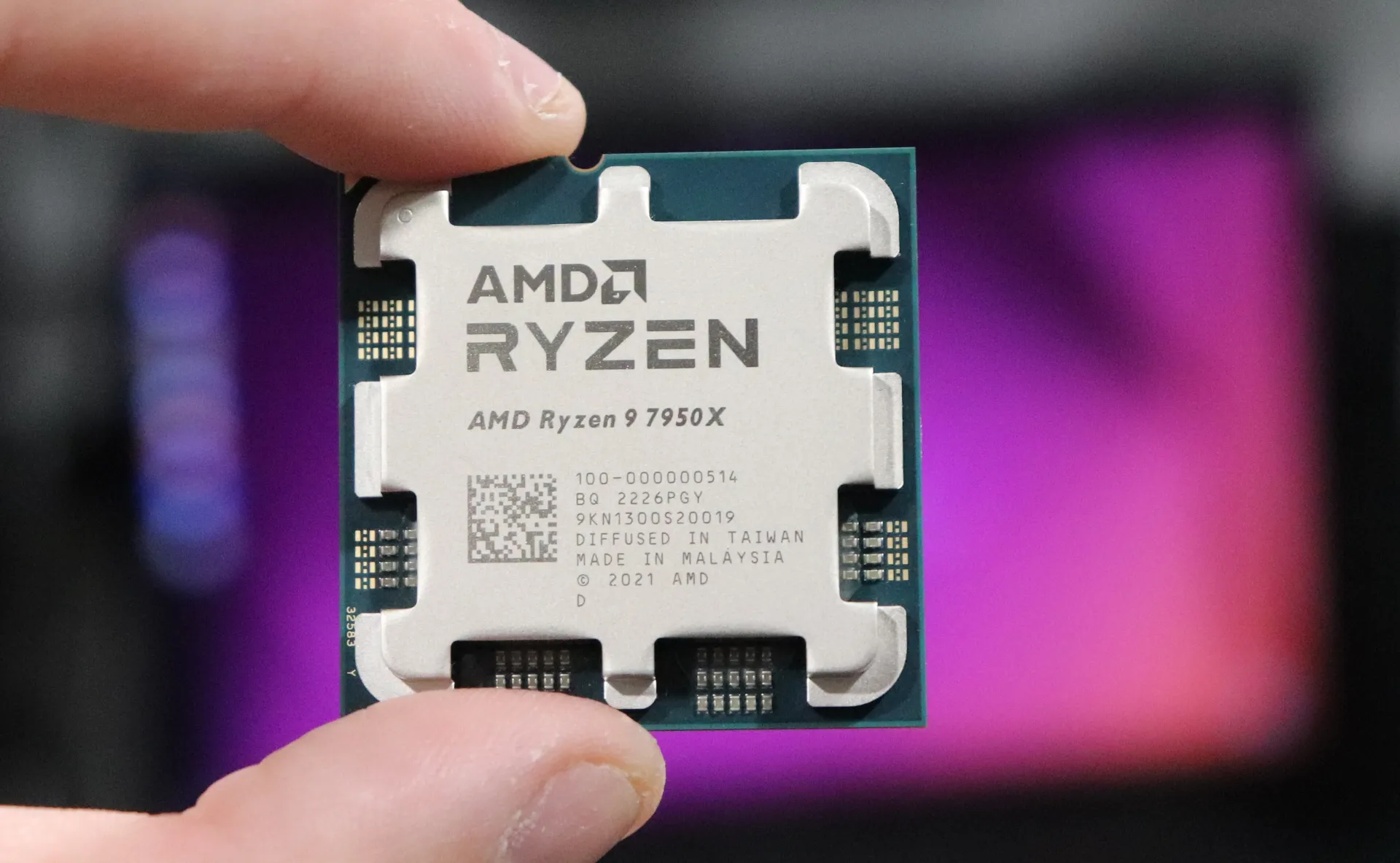

AMD Zen 4 Compiler Optimizations Finally Arrive: A Look at LLVM and the Long Wait
Why are compiler optimizations so crucial for squeezing every last drop of performance out of your AMD processor? The answer lies in the intricate dance between hardware and software. Recent adjustments to the AMD Zen 4 “znver4” CPU model have been merged into the LLVM/Clang compiler codebase. These updates promise more accurate latency timings and micro-op assessments, potentially boosting performance for Zen 4 users. However, the story behind these updates highlights both the power of open-source contributions and the challenges AMD faces in keeping pace with compiler optimizations.
This article delves into the details of these recent Zen 4 compiler adjustments, their significance for performance, the implications of the delay, and how AMD can improve its open-source contributions in the future.
Understanding the Importance of Compiler Optimizations for Zen 4
Compiler optimizations are critical for achieving optimal performance on any CPU architecture, including AMD’s Zen 4. A compiler’s job is to translate human-readable code into machine code that the processor can understand and execute. However, there are often multiple ways to translate the same code, and some translations are more efficient than others. Compiler optimizations aim to find the most efficient way to translate code for a specific CPU, taking into account its architecture, capabilities, and limitations.
What are Latency Timings and Micro-Ops?
- Latency Timings: Refer to the amount of time it takes for a particular instruction to execute on the CPU. Different instructions have different latencies, and the compiler needs to be aware of these latencies to schedule instructions in a way that minimizes idle time and maximizes throughput. For example, if an instruction with a long latency is placed before an instruction that depends on its result, the processor will have to stall and wait for the first instruction to complete. An optimized compiler will try to rearrange the instructions to avoid such stalls.
- Micro-Ops (uops): Are the smallest units of work that a CPU’s execution units can process. Complex instructions are often broken down into multiple micro-ops. The compiler needs to understand how many micro-ops a particular instruction generates and how these micro-ops are dispatched to the various execution units. This understanding is crucial for optimizing instruction scheduling and resource allocation.
The Impact of Accurate Zen 4 Compiler Information
By having accurate latency timings and micro-op information for the Zen 4 architecture, the LLVM/Clang compiler can make more informed decisions about how to translate and optimize code for Zen 4 processors. This can lead to several benefits, including:
- Improved Instruction Scheduling: The compiler can schedule instructions in a way that minimizes stalls and maximizes throughput, leading to faster execution times.
- Better Resource Allocation: The compiler can allocate resources (e.g., registers, execution units) more efficiently, preventing bottlenecks and improving overall performance.
- Increased Code Density: The compiler can generate more compact and efficient code, reducing memory footprint and improving cache utilization.
In essence, these optimizations translate to tangible performance gains in various applications, from gaming to scientific computing.
The Zen 4 Optimization Story: A Case of Delayed Implementation
The recent merge of Zen 4 compiler adjustments into LLVM/Clang highlights a somewhat concerning situation. The initial implementation for Zen 4 in LLVM/Clang apparently relied on values copied from the Zen 3 architecture (“znver3”). This meant that the compiler was not accurately representing the architectural differences between Zen 3 and Zen 4, potentially hindering performance.
Independent Contribution: A Patch to the Rescue
The fix came from an independent open-source developer, “NexusXe,” who identified and corrected these discrepancies. NexusXe updated the latency and uop values based on publicly available information from uops.info, a valuable resource for CPU instruction details. This contribution underscores the power of community-driven development in the open-source world.
The Details of the Zen 4 Compiler Changes
The merged changes address specific instructions and operations, including:
- BSF/BSR (Bit Scan Forward/Reverse): Instructions for finding the first set bit in a word.
- DIV (Division): Integer division operations.
- TZCNT (Trailing Zero Count): Instruction for counting the number of trailing zero bits.
- CLMUL (Carry-less Multiplication): Used in cryptography and other applications.
- PCMPISTRM (Packed Compare Implicit Length Strings, Return Mask): SIMD instruction for string comparison.
- VALIGN (Vector Align): Instruction for aligning vector data.
- VPERM (Vector Permute): Instruction for rearranging elements within a vector.
These instructions were previously using values that corresponded to Zen 3, which meant that the compiler was not accurately optimizing code that used these instructions on Zen 4 processors. The updated values should lead to more efficient code generation and improved performance.
A Timeline of Delay and Release
The pull request for these changes was submitted three weeks before being merged into LLVM Git. The updates will be included in the LLVM 22 release, scheduled for March. This means that it took over three years from the initial launch of Zen 4 for these crucial compiler optimizations to become available in the mainstream LLVM/Clang compiler.
Implications and What AMD Can Do Better
The delay in implementing proper Zen 4 compiler optimizations raises some important questions about AMD’s strategy and commitment to open-source compiler support.
AMD’s AOCC and the Lagging Releases
AMD’s in-house compiler, AOCC (AMD Optimizing C/C++ Compiler), is based on LLVM/Clang. However, AOCC releases have been infrequent, with the last release (AOCC 5.0) dating back to November. This means that users relying on AOCC may not have access to the latest optimizations and improvements available in the upstream LLVM/Clang.
Intel’s Approach: A Comparison
In contrast, Intel has been proactive in contributing to open-source compilers. They have already begun working on compiler support for future architectures like Nova Lake, following their contributions for Diamond Rapids, Panther Lake, and Clearwater Forest. This proactive approach allows developers to take advantage of new hardware features and optimizations early on, leading to better performance and a smoother transition to new platforms.
Areas for Improvement: Zen 6 and Beyond
To improve its compiler support, AMD should consider the following:
- More Timely Contributions: AMD should prioritize contributing Zen-specific optimizations to GCC and LLVM/Clang in a more timely manner. This could involve dedicating more resources to compiler development and working closely with the open-source community.
- Frequent AOCC Releases: AMD should release more frequent updates to AOCC to ensure that users have access to the latest optimizations and improvements.
- Early Access to Information: Providing compiler developers with early access to architectural details and performance characteristics of future CPUs can help them develop optimizations in advance, leading to a smoother launch and better performance.
- Open Communication: Maintaining open communication with the open-source community is crucial for fostering collaboration and ensuring that AMD’s compiler needs are met.
While there are no public patches available yet for AMD Zen 6 “znver6” for GCC or Clang, there’s hope that these will appear in time for GCC 16 and Clang 22 releases early next year.
Conclusion
The recent merge of Zen 4 compiler adjustments into LLVM/Clang is a welcome development, but it also serves as a reminder of the importance of timely and proactive compiler support. The delay in implementing these optimizations highlights the need for AMD to improve its open-source contributions and ensure that its processors are fully optimized for the latest compilers. While independent contributors like NexusXe play a vital role, a more structured and consistent approach from AMD is crucial for maintaining a competitive edge and delivering the best possible performance to its users.
What do you think about the delayed Zen 4 compiler optimizations? Do you believe AMD needs to prioritize open-source contributions more? Share your thoughts in the comments below!
Sources & Further Reading:
Original article at www.phoronix.com


