
Can Your Phone Handle the 9 Messaging Apps You Use Daily?
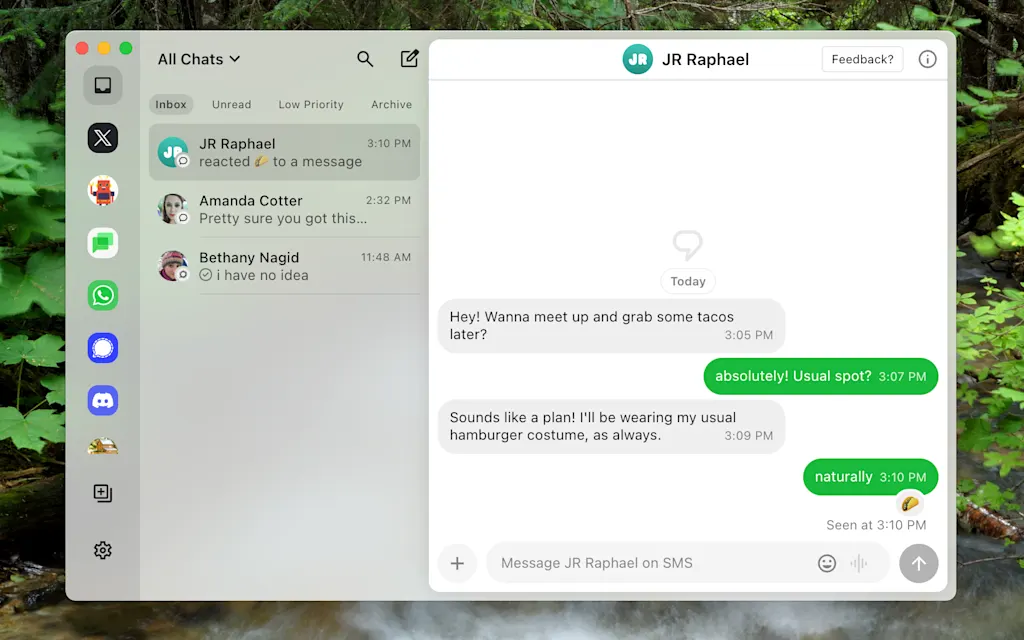
Staring at a notification explosion across WhatsApp, Instagram, Discord, SMS, and Slack isn’t just annoying—it’s a productivity killer. Forget forgetting birthdays; modern problems include “forgetting” entire apps where conversations die buried under fragmented alerts. This digital chaos affects billions: 43% of users juggle three or more messaging apps daily. Enter Beeper, an ambitious solution resurrecting a lost dream by unifying 15+ platforms into one sleek interface. Acquired by WordPress-parent Automattic, it’s betting $10 million that streamlining your chats will solve modern communication fatigue. Here’s why it’s worth your attention.
The Messaging Graveyard: Remembering Unified Communication’s Heyday
Before smartphones dominated, applications like Trillian, Pidgin, and Adium ruled desktops. You’d log into AIM, MSN Messenger, and ICQ simultaneously—all in one window. This era thrived because early protocols were open. Developers leveraged public APIs to build integrated portals without corporate pushback. But as messaging transformed into walled gardens guarding user data and ad revenue (Facebook Messenger entered a $84B market by 2022), platforms like Apple and WhatsApp restricted API access. By 2015, most universal apps faded into obsolescence. The fracture was deliberate: consolidating users inside one ecosystem boosted engagement metrics for tech giants.
Beeper’s Bold Reboot: How One App Connects Everything
Beeper isn’t just reviving the past—it’s modernizing it. Unlike predecessors limited by dwindling API support, its engineering team reverse-engineered protocols for otherwise “closed” services. Connect WhatsApp, Signal, Instagram DMs, LinkedIn, Discord, SMS (Android), and even iMessage (on macOS). For unconventional networks like Mastodon or Steam, it supports Matrix protocol bridges. Setup takes minutes:
- Android: Parceled with SMS/RCS integration
- iOS/Linux/Windows/macOS: Unified desktop client
- Cloud-synced encryption: Messages stored on Beeper’s servers but require your personal encryption key
Crucially, its acquisition by Automattic (with its ethics-first Tumblr legacy) reassures users wary of data exploitation—Beeper is funded solely via subscriptions, avoiding ads or data sales.
The Apple Controversy: Why iMessage Remains Tricky
Beeper’s journey included a public clash with Apple in 2023. Originally promising “blue bubble” iMessage interoperability for Android, Apple swiftly patched exploits, citing “security risks.” Today, iMessage integration requires linking a Mac device—a stopgap solution reminiscent of early bridge tools. Yet Apple’s resistance highlights a wider industry tension: open access vs. proprietary control. With RCS support coming to iPhones in 2024, some barriers may eventually reduce, but Beeper’s approach showcases the lengths required to bypass tech giants’ restrictions today.
Real-World Benefits: More Than Just Fewer Tabs
Why ditch native apps? Beyond decluttering, Beeper fundamentally transforms how you communicate:
- Inbox Zero for Chats: Archive/Snooze messages like email. Un-archived items become to-do reminders.
- Cross-Platform Search: Hunt keywords across WhatsApp, Telegram, and Slack instantly—no more app-hopping.
- Keyboard-Centric Design: Command-bar shortcuts jump between chats faster than Alt+Tabbing.
- Priority Notifications: Filter trivial LinkedIn pings while flagging urgent Slack DMs.
The result? Users report 30% faster response times and no more “ghosting-by-platform-neglect.” One overlooked perk: combining lesser-used apps like LinkedIn. You’ll actually respond to recruiters without logging into the bloat.
Free vs. Paid: Is It Worth Your Cash?
Beeper’s tiered model caters to varied needs:
| Plan | Price | Supported Apps | Key Features |
|---|---|---|---|
| Free | $0 | Up to 5 apps | Basic search, one device |
| Premium | $10/month | Unlimited | Unlimited apps/devices, advanced rules |
For typical users (3–4 daily apps), free suffices. Power users merging 8+ services save hours monthly via the Premium plan. Critically, avoid losing messages between devices—Beeper’s cloud sync beats manual history exports.
The Future: Will Fragmentation Ever Truly End?
While Beeper excels now, long-term success hinges on shifting industry dynamics. Meta and Apple won’t open APIs willingly—regulators forcing interoperability (as the EU’s DMA mandates for “gatekeeper” platforms) could help. Yet Beeper’s Matrix-based foundation offers flexibility: its federated model supports decentralized messaging, resisting corporate meddling.
Ultimately, unified platforms succeed when they prioritize user workflows over corporate agendas. Consider Slack—it absorbed email, video calls, and file sharing into one productivity layer. Beeper replicates this for personal comms.
Simplify or Stay Scattered?
Communication shouldn’t require app archeology. Beeper cuts through the mess by resurrecting unified chats with modern encryption, cross-device sync, and fatigue-reducing features—surviving corporate pushback through adaptability. While Apple slams doors elsewhere, Automattic’s backing provides stability and ethical commitment. So before installing your seventh messaging app, try funneling them into one hub. Your attention span will thank you. Ready to unify your digital life? Download Beeper or comment with your favorite hack for managing fragmented notifications!
(Sources: Electronic Frontier Foundation on API Restrictions, Statista Messaging Report 2024, Matrix Protocol Documentation)


