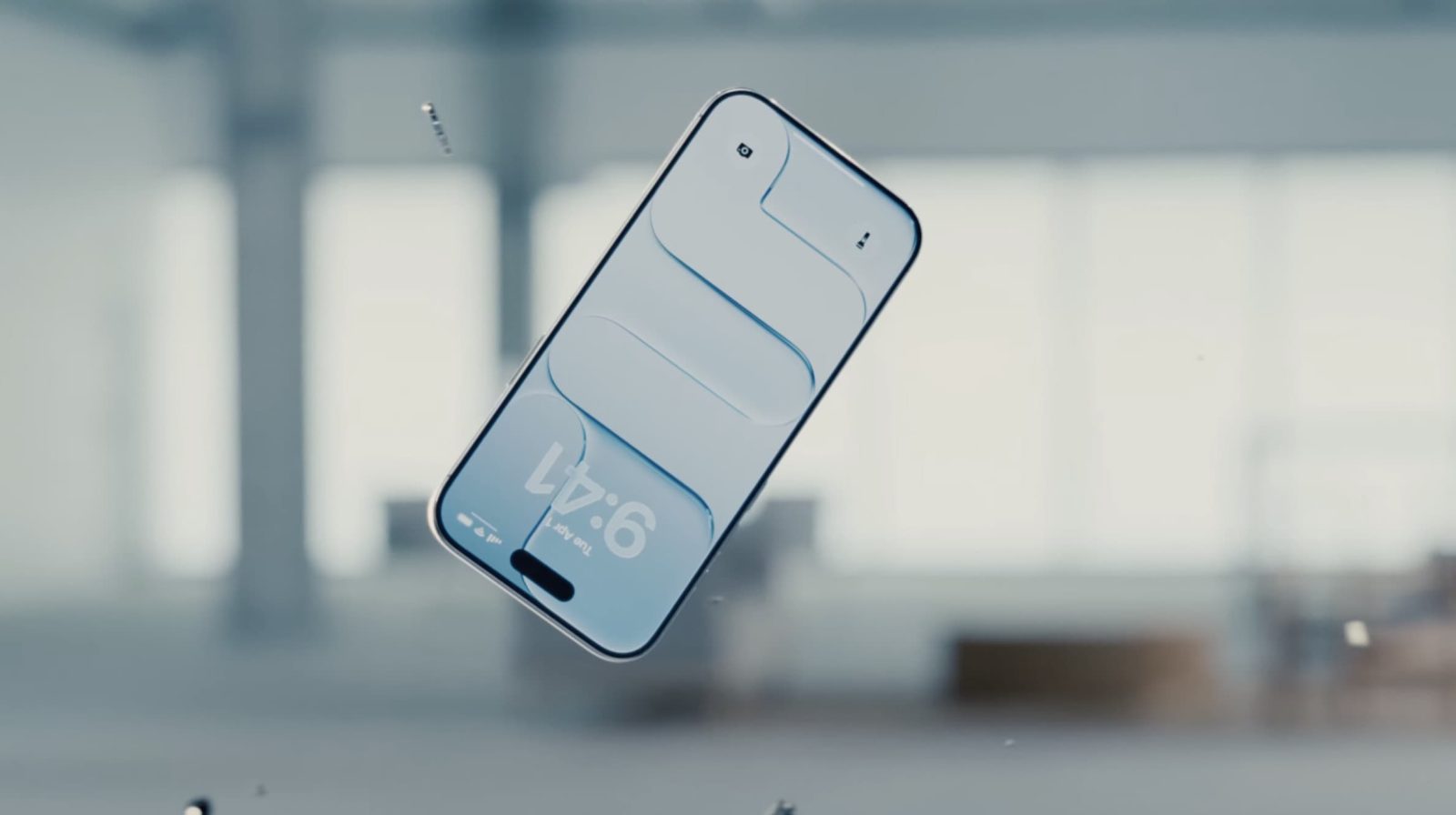

The Secret Behind Apple’s Ultra-Thin Pursuit: A Titanium Revolution
Remember when bending an iPhone felt terrifyingly possible? What if the key to preventing that, while creating its slimmest device ever, lies in a microscopic, 33%-lighter port you’ll never see? Apple’s relentless quest for thinness hit a wall with the universal USB-C connector – a critical but stubborn component. Enter the iPhone Air and its quiet revolution: a 3D-printed titanium USB-C port. This isn’t just about aesthetics; it’s a material science breakthrough addressing durability, efficiency, and the fundamental limits of smartphone engineering. As competitors chase millimeters, Apple rewrote the rulebook for a single, vital component, proving that progress sometimes hides inside the charging socket.
When Millimeters Matter: The Relentless Thinning Trend
The obsession with ultra-thin devices isn’t vanity—it improves portability, aesthetics, and manufacturing efficiency. Apple pushed this to extremes with the M4 iPad Pro, its thinnest product ever. As noted by tech reviewers, its USB-C port was so constrained that Apple’s own chargers were slightly thicker than the tablet itself. This exposed a hard truth: the USB-C connector’s size and mechanical requirements were becoming a bottleneck for industrial design. For the rumored iPhone Air, thinness wasn’t just a goal—it was the entire identity. Yet, conventional manufacturing couldn’t shrink the port enough without sacrificing strength or reliability.
Forged vs. 3D-Printed Titanium: A Microscopic Metamorphosis
How did Apple reconcile a thinner profile with rigorous durability standards? The answer lies in swapping traditional forging for cutting-edge additive manufacturing.
- Traditional Ports: Standard USB-C ports are typically forged metal (often aluminum alloy) or molded plastic composites. Forging compresses metal under high pressure, creating a dense part. However, it requires more material to ensure structural stability, especially for thin-walled designs. This approach hits a hard physical limit when walls become too thin to withstand repeated plug-in cycles.
- Apple’s Titanium Innovation: Titanium Grade 5 (Ti-6Al-4V), the alloy Apple uses, boasts a strength-to-weight ratio twice that of aluminum. 3D printing builds the port layer-by-layer using a laser sintering process, precisely fusing titanium powder. This enables complex, hollowed-out geometries impossible with forging. By optimizing internal structures, Apple uses 33% less material while increasing strength. Think of it as topological optimization at a microscopic scale—like architecting bone-like support trusses inside the port walls.
Early teardowns of the iPhone Air show the innovation focuses on the housing around the port connector, not the plug interface itself. This minimizes impact on charging cables but fortifies the device against bending forces—an infamous vulnerability since the iPhone 6 era.
Titanium Isn’t Magic (But It’s Close): A Material Advantage Breakdown
| Property | Aluminum (Alloy 6061) | Titanium Grade 5 (Ti-6Al-4V) | Advantage for Port Design |
|---|---|---|---|
| Tensile Strength | 241 MPa | 1170 MPa | 4.8x stronger frames |
| Density (g/cm³) | 2.70 | 4.43 | Lighter per unit strength |
| Corrosion Resistance | High | Extreme | Long-term durability |
| Fatigue Limit | Low-Moderate | Very High | Endures repeated plug-in cycles |
Sources: ASM International & NASA Materials Database
This leap isn’t just thinner—it’s smarter. By integrating titanium’s resilience with 3D printing’s design freedom, Apple mitigates stress concentration points, critical for high-traffic components.
Why Should Everyday Users Care? Debunking Thin-Device Myths
Skeptics dismiss thin designs as impractical. But Apple’s engineering delivers tangible benefits:
- Enhanced Durability: Conventional ports crack under bending stress. Titanium’s superior fatigue resistance (tested to 10,000+ bend cycles in Apple labs) tackles the #1 cause of port failure.
- Battery Efficiency: Slimmer internals allow slightly larger batteries within minimal footprints.
- Sustainability: Less metal use and potential for reusing titanium powder in additive manufacturing align with reduced resource consumption targets referenced in Apple’s Environmental Reports.
- Design Freedom: Thinner ports enable slimmer bezels, more internal space for sensors, or simply breathtaking silhouettes.
In practice, users won’t notice inserting cables any differently—the external port dimensions comply with USB-C standards. The revolution is inside: unseen but critical structural engineering.
Beyond the iPhone Air: Why This Tech Won’t Go Mainstream (Yet)
Apple confirmed the 3D-printed titanium port remains exclusive to the iPhone Air. The iPhone 17 lineup retains conventional ports. Cost and scalability are likely factors:
- Cost Implications: Titanium powder and laser sintering are exponentially pricier than aluminum forging. One industry analysis estimates custom 3D prints cost $15-20 per gram versus pennies for mass-forged aluminum.
- Targeted Luxury: The iPhone Air is poised as an ultra-premium model. Meanwhile, mainstream iPhones prioritize cost efficiency.
- Future-Proofing Potential: However, patents suggest Apple explores extending this to battery shields and SIM trays. If additive manufacturing costs decline (as projected), this technology could spread across Apple’s ecosystem.
The Invisible Arms Race: What Comes Next?
Apple’s pivot to 3D printing for critical components marks a shift from “buy” to “build” in materials innovation. This mirrors the company’s historic Apple Silicon transition: control the stack for optimized results. Competitors now face two new realities:
- Material Literacy: 3D printing titanium demands expertise in parameters like laser power, layer thickness, and thermal stress mitigation—far beyond typical contract manufacturing.
- Design Philosophy Extremes: As hardware architect Tibor Nagy noted, Apple seems willing to engineer “overlooked” components beyond silicon to win the thinness frontier.
Could ports eventually vanish entirely? For now, the EU regulations cemented USB-C. But with MagSafe improving and Apple exploring port-less concepts via microwave-based data transfers, this innovation might serve as both a solution and a bridge to that future.
Slimmer, Tougher, Smarter—The Shape of Things to Come
Apple’s 3D-printed titanium USB-C port exemplifies innovation born of constraint. By redefining how a fundamental connector is made—not just how it looks—they’ve sidestepped physical limits while tackling historical weaknesses. It’s not just a thinner iPhone Air; it’s a manifesto for the future of hardware: materials science and precision engineering will unlock gains where conventional thinking sees walls. As devices approach paper-like profiles, expect this marriage of atoms (titanium) and bits (additive manufacturing) to become the quiet battleground. What’s your take—does extreme thinness thrill you or feel like over-engineering? Has Apple found meaningful durability? Share your thoughts below!


