
Navigating the Noise: Which Invisible Hearing Aids Should You Avoid?
Are you struggling to keep up in conversations? You’re not alone. Two-thirds of Americans over 70 experience some form of age-related hearing loss. While the idea of discreetly addressing hearing difficulties with invisible hearing aids is appealing, the reality is that the market is flooded with options that prioritize aesthetics over functionality. This article will guide you through the pitfalls of cheap, ineffective “invisible” hearing aids, explore the true cost of quality hearing solutions, and provide valuable information to help you make an informed decision.
The Allure and the Reality of Invisible Hearing Aids
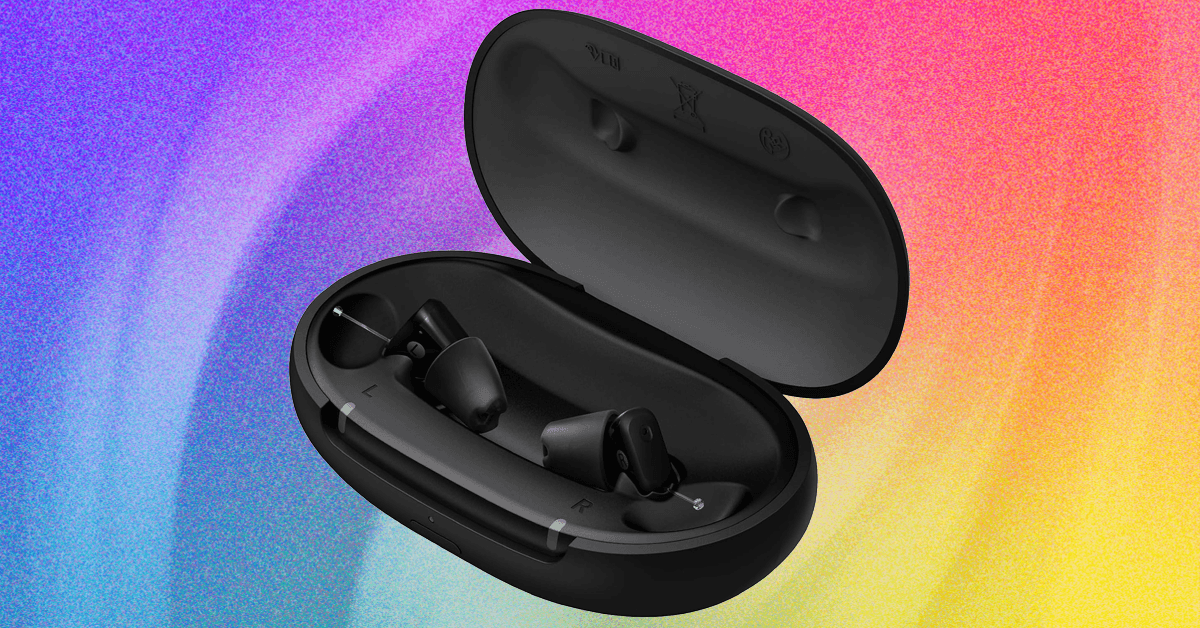
The desire for hearing aids that are virtually undetectable is understandable. No one wants to feel self-conscious about wearing hearing devices. This demand has fueled the growth of the “invisible” hearing aid market, specifically Completely-in-Canal (CIC) and Invisible-in-Canal (IIC) models. These tiny devices sit deep within the ear canal, making them difficult for others to see.
However, the promise of invisibility often comes at a cost. Many of these devices sacrifice sound quality, features, and overall effectiveness to achieve their small size. The result? Consumers are left with expensive gadgets that provide little to no benefit. Let’s delve into some specific examples of invisible hearing aids to avoid, according to recent reviews.
Invisible Hearing Aids to Approach with Caution: A Closer Look
While technological advancements are constantly improving hearing aid technology, some devices currently on the market fall short of expectations. Here are a few models that have received less-than-stellar reviews:
- Zepp Clarity One: Marketed for its lightweight design (a mere 1.06 grams!), the Zepp Clarity One struggles with audio quality. The persistent hiss detracts significantly from the user experience, making it unsuitable for those seeking high-quality hearing support. The Zepp Clarity Pixie, while slightly larger and more configurable, suffers from similar issues.
- Audien Hearing Atom One: Priced under $100, the Audien Atom One is certainly budget-friendly. However, affordability comes at the expense of performance and features. While FDA-compliant and subtle, the Atom One lacks Bluetooth connectivity, a mobile app, and even a charging case. The absence of these features limits its functionality and user-friendliness.
- Ceretone Core One: The Ceretone Core One aims for ultimate discretion with its incredibly small size. Unfortunately, this comes with several drawbacks. Users report an unpleasant ear-piercing feedback screech upon contact, along with echoey sound quality and difficulty with insertion. The accompanying mobile app is also reportedly unreliable and difficult to use.
Why are Some Invisible Hearing Aids So Bad?
Several factors contribute to the poor performance of some invisible hearing aids:
- Size Constraints: Cramming all the necessary components (microphone, amplifier, receiver, battery) into a tiny device can compromise sound processing capabilities.
- Occlusion Effect: Deeply inserted hearing aids can create a “plugged-up” sensation, amplifying internal sounds like chewing or your own voice, a phenomenon known as the occlusion effect.
- Limited Features: To achieve invisibility, manufacturers may strip away essential features like directional microphones (which improve speech understanding in noisy environments) and wireless connectivity.
- Over-the-Counter Pitfalls: The rise of over-the-counter (OTC) hearing aids has made hearing solutions more accessible, but it has also led to an influx of low-quality devices. Many OTC options lack the sophisticated sound processing and customization capabilities of prescription hearing aids.
Decoding the Cost of Hearing Aids: What You Need to Know
The price of hearing aids can vary dramatically, ranging from a few hundred dollars to upwards of $10,000 per pair. Understanding the factors that influence cost is crucial for making an informed decision.
Prescription vs. Over-the-Counter Hearing Aids: A Price Comparison
As a general rule, prescription hearing aids prescribed and fitted by an audiologist are significantly more expensive than over-the-counter (OTC) models.
- Prescription Hearing Aids: Typically range from $2,000 to $8,000 per pair. This cost includes the professional services of an audiologist, such as hearing tests, fitting, programming, and follow-up care.
- Over-the-Counter Hearing Aids: Generally range from $800 to $2,000 per pair for higher-quality models. Cheaper options, like the Audien Atom One, may be available for under $100, but their effectiveness is often questionable.
Factors Affecting Hearing Aid Cost
Several factors influence the price of hearing aids:
- Technology Level: Hearing aids with advanced features like noise reduction, directional microphones, Bluetooth connectivity, and artificial intelligence are typically more expensive.
- Style: Invisible hearing aids (CIC/IIC) may be more expensive due to their complex miniaturization.
- Brand: Established brands with strong reputations for quality and innovation often command higher prices.
- Professional Services: The expertise and support provided by an audiologist contribute to the overall cost of prescription hearing aids.
Managing the High Cost of Hearing Aids
The cost of hearing aids can be a significant barrier for many individuals. Fortunately, several options are available to help manage these expenses:
- Financing: Many hearing aid manufacturers and retailers offer financing plans, sometimes with zero percent APR. Third-party financing companies like Klarna and Care Credit may also be helpful.
- Insurance: While most employer-based health plans do not cover hearing aids outright, supplemental insurance options may be available. Medicare Advantage Plans (Part C) may offer hearing-related benefits for those over 65. Check your specific plan details for coverage information.
- State Assistance Programs: Contact your local state department to inquire about assistance programs that help cover the cost of hearing aids. Not all states offer this service, but they may be able to refer you to other organizations that can provide support.
- Veterans Affairs (VA) Benefits: Eligible veterans may be able to receive hearing aids and related services through the VA.
- Warranties and Extended Protection Plans: Most reputable hearing aid manufacturers offer warranties that cover repairs to damaged devices. Consider purchasing an extended protection plan for added peace of mind. Always read the fine print to understand the terms and conditions of the warranty.
Understanding Age-Related Hearing Loss (Presbycusis)
Presbycusis, or age-related hearing loss, is a common condition affecting a significant portion of the older adult population. It typically develops gradually and affects the ability to hear high-frequency sounds.
Characteristics of Presbycusis
- Difficulty Understanding Speech: People with presbycusis often struggle to distinguish certain consonants, particularly voiceless consonants like “p,” “k,” and “f.” This can make it challenging to understand conversations, especially in noisy environments.
- Gradual Onset: Presbycusis usually develops slowly over time, so many individuals may not realize they have hearing loss until it becomes more severe.
- High-Frequency Hearing Loss: The ability to hear high-pitched sounds, such as birds chirping or children’s voices, is often affected first.
Types of Presbycusis
There are several subtypes of presbycusis, including:
- Neural Presbycusis: Related to the loss of nerve fibers in the ear.
- Mechanical Presbycusis: Caused by physical changes to the ear canal.
Diagnosis and Treatment
If you suspect you may have presbycusis, it is essential to consult with your physician or an audiologist. A hearing test can determine the extent and type of hearing loss. Treatment options may include hearing aids, assistive listening devices, or other strategies to improve communication.
Conclusion: Making an Informed Decision About Hearing Aids
The pursuit of invisible hearing aids is driven by a desire for discretion, but it’s crucial to prioritize functionality and sound quality. The market is rife with cheap, ineffective devices that promise invisibility but fail to deliver meaningful hearing improvement. Be wary of overly affordable options, and carefully consider the features, performance, and warranty offered. Consulting with an audiologist is highly recommended to receive a proper hearing evaluation and personalized recommendations. This will help you navigate the complexities of the hearing aid market and choose a solution that truly meets your needs. What has been your experience with hearing aids? Comment below and share your thoughts!
Sources & Further Reading:
Original article at www.wired.com


