
The Phantom iPhone: Inside the Bizarre World of Unreleased Knockoffs and the Hunt for Authenticity
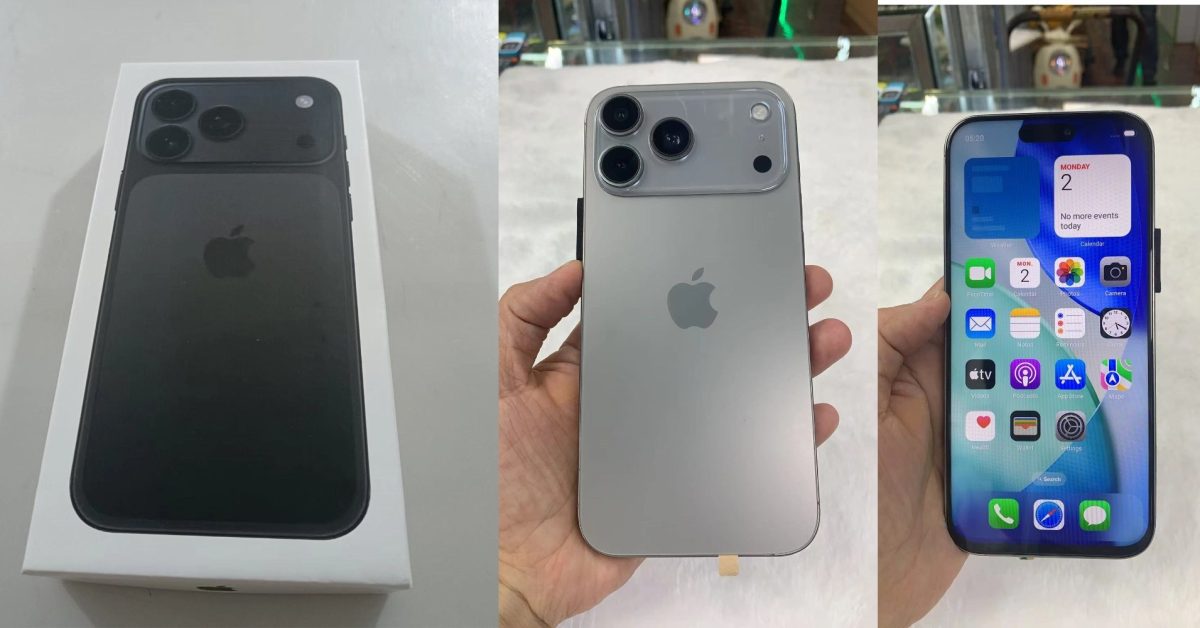
Did you know counterfeiters are now manufacturing fake versions of iPhones that Apple hasn’t even released yet? It sounds like tech satire, yet it’s the reality exposed when leaker Sonny Dickson recently revealed an “iPhone 17 Pro” clone hitting the streets – months before Apple’s official launch is expected. This audacious knockoff, running a poorly disguised Android skin instead of the anticipated iOS 26, highlights the surreal speed, scale, and sophistication of the counterfeit electronics market. With an estimated $5.9 billion lost annually by major phone brands to counterfeits globally (OECD 2023), protecting intellectual property and consumers has become a high-stakes game of technological one-upmanship. This phenomenon forces us to confront the deep challenges brand integrity faces in a hyper-connected world driven by leaks, aspiration, and cut-throat gray-market manufacturing. It also offers a stark contrast to a burgeoning legitimate market – exemplified by Dickson’s new venture preserving iconic tech – emphasizing the enduring value of authenticity in an age of convincing fakes.
The Ubiquity and Economics of Smartphone Counterfeiting
The appearance of an unreleased iPhone 17 Pro clone is extreme but not isolated. Counterfeit electronics constitute a vast underground economy driven by complex global supply chains and sophisticated digital mimicry.
- Scale and Scope: Industry reports indicate counterfeit phones account for roughly 10-15% of the global smartphone market share, translating to hundreds of millions of units annually, with hotspots in Asia, Eastern Europe, and Latin America. Brands like Apple, Samsung, and Xiaomi are prime targets.
- Motivations: The drivers are multifaceted:
- Price Sensitivity: Knockoffs offer the aspirational appeal of luxury brands at a fraction of the cost (often 20-50% cheaper).
- Rapid Exploitation: Manufacturers leverage readily available factory schematics, component leaks, and crowd-sourced rumors (through forums like MacRumors or Weibo) to reverse-engineer designs.
- Evolving Mimicry: Fakes move beyond simple exteriors to cloned UI elements, boot logos, model numbers, and even basic OS interactions. The iPhone lookalike running Android is commonplace.
- The “Rumor-to-Reality” Pipeline: The iPhone 17 Pro clone spotlights a key accelerator: the vast ecosystem of consumer technology leaks and rumors. Sites like Dickson’s, as well as others (e.g., GSMArena, 9to5Mac), dissect every potential detail about unreleased phones. Counterfeit manufacturers actively monitor these sources, creating prototypes based purely on anonymous CAD renders, alleged specification sheets, and software guesses long before a device’s formal announcement.
Dissecting the “iPhone 17 Pro” Clone: A Case Study in Failed Mimicry
Sonny Dickson’s photos provide a revealing snapshot of this bizarre niche: creating knockoffs based solely on unverified pre-release intelligence.
- Hardware: The clone physically mimics expected design cues for the next iPhone Pro model – likely lifting elements from renders circulating online. However, close inspection typically reveals cheaper materials, uneven seams, inferior displays, and often missing features (e.g., under-display Face ID remains notoriously difficult to fake effectively).
- Software: This is where the illusion crumbles. Instead of iOS 26, the device runs a skinned version of Android.
- The skin attempts to copy the iOS 18 aesthetic (not the anticipated redesigned iOS 26 UI), revealing its lag in rumor fidelity.
- The single concession to “currentness” was using the rumored iOS 26 wallpaper – though ineffective against Apple’s likely plan for device-specific wallpapers.
- The result is a jarring experience: clunky animations, pre-installed bloatware, ad-laden app stores, and Android settings menus poorly hidden beneath an iOS-like launcher facade.
| Feature | Alleged iPhone 17 Pro Clone | Expected Genuine iPhone 17 Pro (Based on Rumors) |
|---|---|---|
| Operating System | Skinned Android (Mimics iOS 18 UI) | iOS 26 (Major Redesign) |
| Wallpaper | iOS 26 Default Wallpaper | Device-Specific (“Pro”) Wallpaper (Anticipated) |
| Hardware Basis | Generic Android Mid-Range Components | Custom Apple Silicon (e.g., “A19 Pro”) |
| Design Origin | Reverse-Engineered from Leaks/Renders | Official Apple Engineering & Design |
| Release Timing | Months Before Official Apple Launch | Fall 2025 (Expected) |
| Core Value | Superficial Appearance, Low Price | Integrated Hardware/Software Ecosystem, Performance, Security |
Why This Clone Matters: It demonstrates the counterfeit industry’s pre-emptive capabilities and exposes the limitations of its mimicry – especially regarding deep software integration and timely rumor accuracy. The real device’s value lies inherently in Apple’s controlled integration of its proprietary chipset, OS, and services – aspects impossible for knockoffs to replicate authentically.
Beyond Counterfeits: The Rise of Authentic Tech Preservation
Ironically juxtaposed against the world of fakes is Sonny Dickson’s legitimate venture into tech preservation:
- Framed History: His business dissects genuine original iPhones, meticulously framing every component as art pieces. These aren’t replicas; they’re authentic first-generation iPhones, transformed into exhibits celebrating their engineering legacy. This taps into growing collectible memorabilia markets.
- Curating Novelty: Dickson also deals in rare and genuinely novel smartphones: limited editions, unique prototypes, or commercially failed devices with interesting technological features. This caters to collectors, tech historians, and enthusiasts valuing uniqueness and provenance over mass-market replication.
- The Authenticity Premium: This niche market highlights the counterpoint to counterfeits: intrinsic value derived from verified originality, historical significance, and exclusivity. Collectors pay significant premiums for certified authenticity – a stark contrast to the rapidly diminishing appeal of even the most visually convincing fake.
The Tangible Risks and Global Fight Against Fakes
The dangers of knockoffs extend far beyond intellectual property theft:
- Consumer Hazards: Fake phones pose serious risks.
- Security & Privacy: Skinned Android OSs are often poorly secured, contain malware, or siphon user data back to unknown servers. They lack genuine security updates.
- Performance/Maintenance: Inferior components (especially batteries and charging circuits) can overheat, fail prematurely, or pose fire hazards. Warranties are non-existent.
- Network Issues: Clones often lack proper certifications and certification identifier; network compatibility is unreliable.
- Combating the Trade: Brands and governments engage in a continuous battle:
- Legal Measures: Aggressive IP litigation against manufacturers and distributors; customs seizures based on trademark registrations. The Digital Millennium Copyright Act (DMCA) and international treaties provide frameworks. Source: United States Patent and Trademark Office
- Technological Countermeasures: Apple’s tight integration of custom silicon (e.g., Secure Enclave), proprietary OS, and services like Find My/Activation Lock makes true 1:1 cloning functionally impossible. Features like APIs exclusive to the App Store further limit knockoff utility.
- Consumer Education: Government agencies (like the U.S. FTC) and brand campaigns emphasize purchasing from authorized retailers to avoid counterfeits and their risks.
The Enduring Value of the Real Deal
The existence of an iPhone 17 Pro clone months before Apple unveils the genuine article is a jarring testament to the global counterfeit machine’s speed and audacity. Fueled by relentless leaks and consumer desire for status symbols at lower prices, these knockoffs master superficial imitation while utterly failing to capture the core integrated experience, performance, security, and long-term value of authentic Apple products. The risks – security nightmares, safety hazards, and financial loss – far outweigh the initial low cost. Simultaneously, the contrasting emergence of ventures preserving authentic tech history, like Sonny Dickson’s framed first-gen iPhones, underscores the enduring premium placed on originality and provenance. In a world increasingly blurred by convincing copies, the lesson remains clear: the true cost of a fake iPhone extends far beyond its price tag, while the value of the genuine article – or a preserved piece of its history – is intrinsically linked to its actual authenticity.
So, what’s more important to you: the fleeting prestige of a near-perfect fake, or the security, performance, and lasting satisfaction of owning the real thing? Share your thoughts in the comments below!
Sources & Further Reading:
Original article at 9to5mac.com


