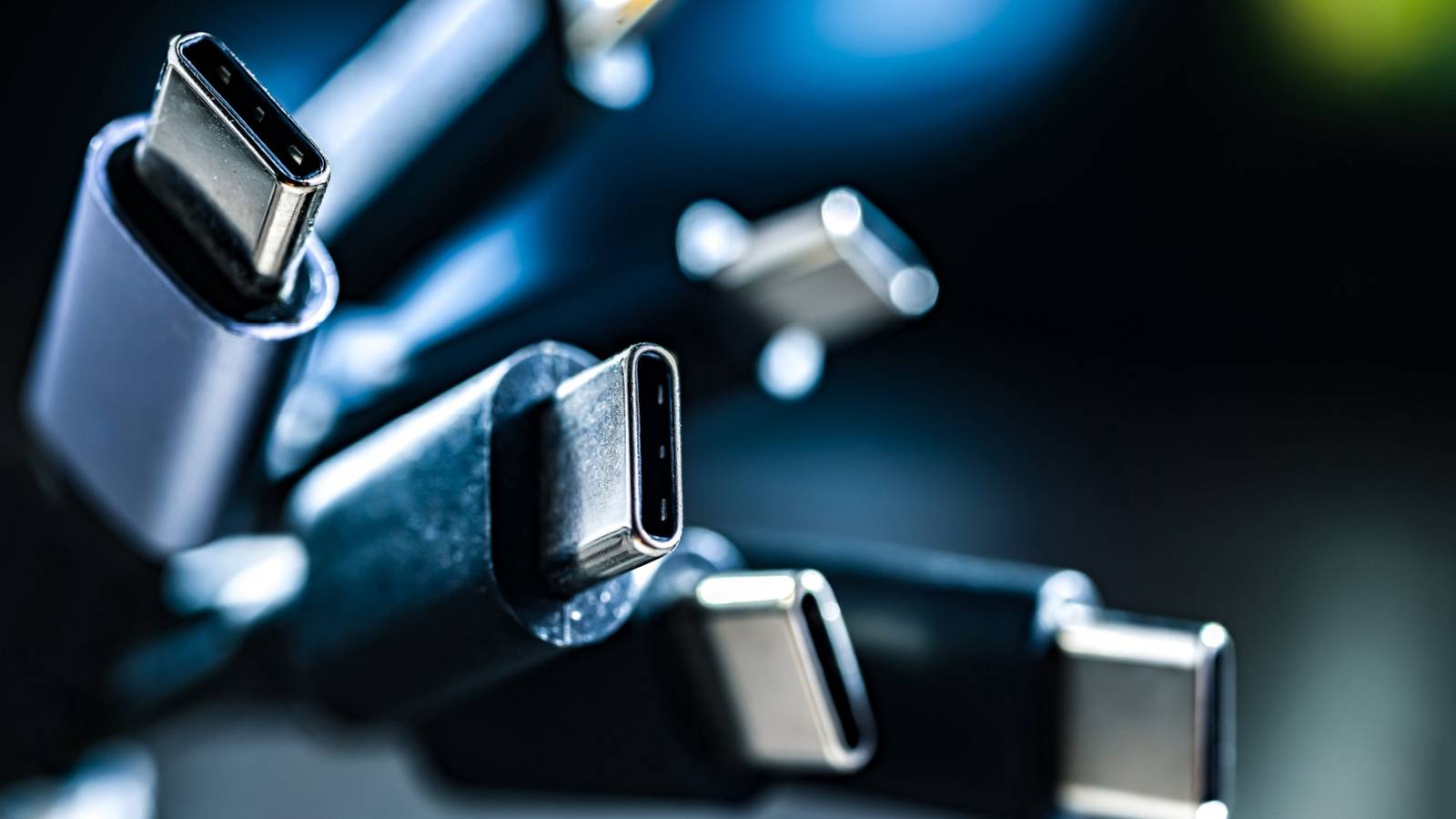

Are Cheap Charging Cables Worth the Risk? Unveiling the Hidden Dangers
Are you tempted to grab that dirt-cheap charging cable next time you need one? With the seemingly endless need for charging cables in our increasingly digital lives, the cost can add up quickly. However, before you click “add to cart” on the lowest-priced option, consider this: saving a few dollars upfront on charging cables could end up costing you significantly more in the long run. While it might seem like a small and insignificant purchase, the risks associated with low-quality charging cables are often overlooked. Let’s dive into why you should think twice before buying that bargain bin cable.
The Real Cost of Cheap Charging Cables: Beyond the Price Tag
It’s easy to be lured in by a low price, but when it comes to charging cables, the adage “you get what you pay for” rings especially true. These seemingly simple accessories are more complex than they appear, and cutting corners in their production can lead to a host of problems, ranging from minor inconveniences to serious hazards.
Electrical Safety: Are You Playing With Fire?
One of the most significant dangers of using cheap charging cables is the potential for electrical hazards. To achieve those rock-bottom prices, manufacturers often compromise on safety standards. This can manifest in several ways:
- Thin Insulation: Inadequate insulation can expose wires, increasing the risk of electric shock.
- Insufficient Copper Conductor: A lack of copper can cause the cable to overheat, potentially leading to a fire. Copper is a highly conductive metal, and less of it significantly limits how much power can safely travel.
- Flimsy Connectors: Poorly constructed connectors can break off inside your device’s charging port, causing damage and potentially short-circuiting the device.
- Lack of Safety Certifications: Reputable cables often carry certifications like UL (Underwriters Laboratories) or CE marking, indicating they’ve been tested for safety. Cheap cables often lack these. You can see a real-world example of cheap cables causing fire with a quick search on Google or Youtube.
The worst-case scenario? A fire. While rare, it’s a real possibility when using a poorly made charging cable. The best-case scenario is a cable that simply stops working when you need it most, leaving you with a dead battery and a frustrating experience.
Device Damage: Slow Death or Sudden Demise?
Even if a cheap cable doesn’t burst into flames, it can still wreak havoc on your devices. Your phone, tablet, or laptop expects a consistent and stable power supply. Substandard cables often fail to deliver this, resulting in:
- Inconsistent Voltage and Current: Fluctuations in voltage and current can damage your device’s battery and charging circuitry over time.
- Battery Degradation: Constant exposure to unstable power can accelerate battery degradation, shortening its lifespan and reducing its capacity. Over time, your battery won’t hold charge as long, and you may experience unexpected shutdowns.
- Fried Charging Circuits: In extreme cases, a faulty cable can deliver a surge of power that fries your device’s charging circuits, rendering it unusable.
While modern devices have built-in protection mechanisms, these safeguards aren’t foolproof. When the charging cable itself is the source of the problem, these protective measures can only do so much. Opting for quality charging cables is an investment in the longevity and health of your valuable electronics.
Slow and Unreliable Charging: The Patience Game
Even if a cheap cable doesn’t pose a safety or device-damaging threat, it can still be a major inconvenience. Often, these cables are simply incapable of delivering the power your device needs for fast charging.
- Under-Spec Components: Cables need to be properly built to handle the power specifications of your devices and chargers. Cheap cables often use substandard components, resulting in inefficient power transfer.
- Trickle Charging: The device may default to a slower “trickle charge” mode to compensate for the cable’s limitations. This can significantly increase charging times.
- Battery Drain: In some cases, the cable may not even be able to deliver enough power to keep up with the device’s power consumption, resulting in a net drain on the battery even while plugged in.
Do you value your time? If so, a reliable charging cable that delivers consistent power is essential.
Data Security Risks: Juice Jacking and Beyond
Perhaps the most alarming risk associated with cheap charging cables is the potential for data compromise. The term “juice jacking” refers to the hypothetical scenario where a malicious charging cable is used to install malware on a device or steal data.
- Modified Cables: While there haven’t been widely reported cases of juice jacking in the wild, cybersecurity researchers have demonstrated the feasibility of modifying charging cables to inject malicious code.
- Compromised Devices: A tampered cable could potentially install malware that steals your personal information, tracks your location, or even allows hackers to remotely control your device.
- Unidentified Origin: Cheap cables from unknown brands with no clear provenance pose the greatest risk, as there’s no way to verify their safety or integrity.
While the threat of juice jacking is still largely theoretical, it’s a risk worth considering, especially when using public charging stations or accepting charging cables from unfamiliar sources. Using a USB data blocker or a charging cable without data wires (like the StarTech cable mentioned in the source) can significantly reduce this risk.
Durability and Longevity: Fraying Frustration
Even if a cheap cable charges your device safely and quickly, its lifespan is likely to be short. Low-quality materials and construction often lead to premature failure.
- Fraying: The cable’s insulation may fray or crack, exposing the wires.
- Connector Breakage: The connectors may break off or become loose, rendering the cable unusable.
- Internal Wire Damage: The wires inside the cable may break or become damaged, leading to intermittent charging or complete failure.
While even expensive cables can sometimes fail, cheap cables are far more prone to these issues. In the long run, you’ll end up spending more money replacing cheap cables than you would have spent on a single, high-quality cable.
Environmental Costs: E-Waste Woes
Finally, consider the environmental impact of cheap charging cables. Their short lifespan means they’re more likely to end up in the trash, contributing to the growing problem of e-waste.
- E-Waste Generation: Cheap cables contribute disproportionately to electronic waste due to their frequent replacement.
- Recycling Challenges: They’re less likely to meet the standards for recycling.
- Harmful Materials: They are likely to contain more hazardous materials than premium cables.
By choosing durable, high-quality cables, you can reduce your environmental footprint and help minimize e-waste.
Why High-Quality Cables are a Better Investment
Here’s a summary of why you should invest in higher quality cables:
- Safety: High-quality cables have proper grounding and shielding, which minimizes the risk of electrical hazards.
- Durability: Cables made of durable materials like nylon braiding and reinforced connectors can withstand daily wear and tear.
- Performance: Certified cables will ensure optimal charging and data transfer speeds.
- Longevity: While the upfront cost may be higher, you won’t have to replace them as often.
- Warranty: Most reliable brands will offer a warranty in case you encounter any issues with their charging cables.
Conclusion: Choose Wisely, Charge Safely
While the allure of a cheap charging cable is understandable, the potential risks far outweigh the short-term savings. From electrical hazards and device damage to data security threats and environmental concerns, the true cost of cheap cables is often much higher than the price tag suggests. Investing in high-quality, certified charging cables from reputable brands is a wise decision that will protect your devices, your safety, and the environment. Ultimately, it’s an investment in peace of mind.
What do you think? Have you had a bad experience with a cheap charging cable? Share your thoughts and experiences in the comments below!
Sources & Further Reading:
Original article at www.howtogeek.com


