
Are Smartphone Camera Demos Too Good to Be True? The Case of the Misleading Marketing Material
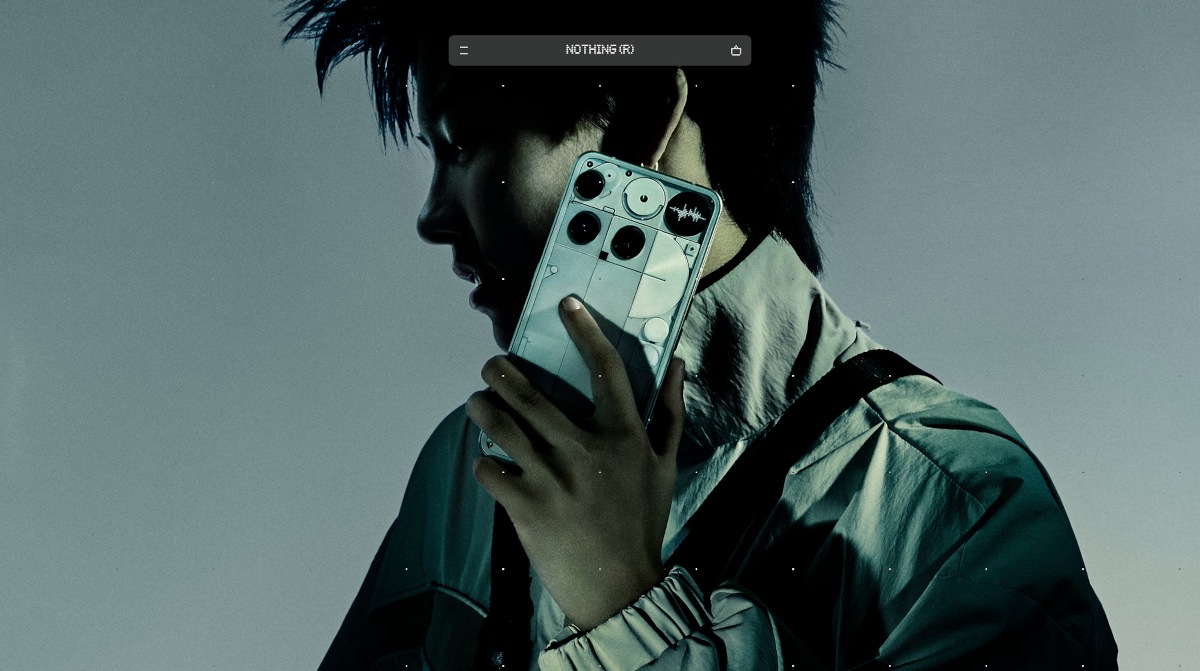
In a world saturated with cleverly crafted advertising, is it still possible to trust what tech companies tell us about their products? The answer, increasingly, seems to be no. The latest example of marketing shenanigans comes from Nothing, the tech company known for its transparent designs, who were caught using stock photos to promote the camera capabilities of their upcoming Nothing Phone 3. This incident, however, is far from an isolated one. It highlights a troubling trend of smartphone manufacturers exaggerating the truth in their marketing material. This article will delve into the Nothing incident and explore other instances where tech companies have bent the truth to sell you a phone.
Nothing’s “Nothing” Burger: Stock Photos and the Nothing Phone 3
The story unfolded when a demo unit of the Nothing Phone 3 appeared in a New Zealand store, showcasing a collection of stunning photos. These photos were presented as being taken by members of the “Nothing Community,” a clever tactic to showcase the phone’s camera prowess through the eyes of its users. The problem? None of the photos were taken with the Nothing Phone 3. In fact, they weren’t even taken by users.
The Stock Photo Scandal: How Nothing Got Caught
A photographer contacted Android Authority, revealing that the photos were actually licensed from a stock photo marketplace called Stills. One particularly egregious example involved a photo of car headlights in the rain, taken by photographer Roman Fox with a Fujifilm XH2s – a dedicated, professional camera – back in 2023. The audacity of passing off a photo taken with professional equipment as a smartphone photo is astounding. This incident immediately raises the question: Why would Nothing, a company that prides itself on transparency, resort to such a deceptive tactic?
Nothing Admits Fault: Damage Control in Action
To their credit, Nothing didn’t attempt to deny the accusation. They admitted their mistake and stated that they would replace the images with actual photos taken by the Nothing Phone 3. While acknowledging the error is a step in the right direction, the damage to their reputation, built on a foundation of honesty and innovative design, is undeniable. The incident begs the question: did Nothing lack confidence in their own camera technology, or was this simply a careless oversight driven by marketing deadlines?
Smartphone Marketing Under Scrutiny: Nothing Is Not Alone
Nothing is not the first, nor will it be the last, smartphone manufacturer to engage in questionable marketing practices. This issue underscores a broader problem within the industry: the constant pressure to present products in the best possible light, even if it requires stretching the truth.
Huawei’s DSLR Debacle: When Selfies Aren’t What They Seem
Huawei has been caught red-handed on multiple occasions using DSLR photos in their marketing materials. A particularly memorable instance involved the Huawei P9. A seemingly innocent “selfie” shared on Google+ was later revealed to have been taken with a Canon EOS 5D Mark III, a high-end DSLR camera. The metadata didn’t lie. This brazen attempt to deceive consumers highlights the lengths some companies will go to in order to portray their camera technology as superior to what it actually is.
Nokia’s OIS Illusion: Camera Tricks and Movie Magic
Back in 2012, Nokia showcased the Optical Image Stabilization (OIS) capabilities of the Lumia 920 in a video that was nothing short of a magic trick. A reflection in the video revealed that the “phone” was actually a cameraman with a professional camera rigged inside a van. This elaborate setup completely misrepresented the actual stabilization capabilities of the phone’s camera.
Samsung’s Stock Photo Faux Pas and Water Resistance Woes
Samsung has also faced scrutiny for their marketing tactics. They were once caught using stock photos in a “selfie contest” for the Galaxy A8. Furthermore, Samsung ran into trouble with ads depicting people using Galaxy devices in pools and at the beach. While the phones were water-resistant, they were only tested in freshwater. Exposure to pool or saltwater could corrode the charging ports, leading to potential damage. This resulted in a penalty in Australia for misleading advertising.
Apple’s “Shot on iPhone” Campaign: The Fine Print
Even Apple, known for its meticulously crafted marketing campaigns, has faced criticism for its “Shot on iPhone” videos. While technically accurate – the videos are indeed filmed on iPhones – the behind-the-scenes reality involves expensive rigs, professional lighting equipment, and Hollywood-caliber production crews. These videos, while visually stunning, can be misleading in that they create the impression that anyone can achieve the same results with just an iPhone and a good eye.
The Problem with Marketing Material: A Summary
To illustrate the examples, a table provides a quick summary of the deceitful marketing materials:
| Company | Device | Deceptive Practice |
|---|---|---|
| Nothing | Phone 3 | Using stock photos to showcase camera. |
| Huawei | P9 | Using DSLR photos for “selfies.” |
| Nokia | Lumia 920 | Faking OIS demonstration. |
| Samsung | Galaxy A8 | Using stock photos in a selfie contest. |
| Samsung | Galaxy Series | Misleading water resistance claims. |
| Apple | iPhone | Exaggerated results in “Shot on iPhone” videos. |
Navigating the Murky Waters of Smartphone Marketing
In light of these examples, it’s clear that consumers need to approach smartphone marketing material with a healthy dose of skepticism. While companies are unlikely to stop trying to present their products in the best possible light, consumers can equip themselves with the knowledge and resources to make informed decisions.
The Importance of Independent Reviews and User Feedback
Relying solely on marketing material is a recipe for disappointment. Instead, turn to independent reviews from reputable tech publications and YouTube channels. These reviewers put phones through their paces, testing camera performance, battery life, and other key features in real-world scenarios.
Examining Online Communities: A Source of Unfiltered Opinions
Online forums, social media groups, and comment sections can provide valuable insights into the experiences of other users. While not always reliable, these sources can offer a more balanced perspective on a phone’s strengths and weaknesses. Be aware that user reviews can be biased, either positively or negatively, so it’s important to consider a variety of opinions.
Beyond the Hype: Understanding Camera Specifications and Technology
Educating yourself about camera specifications and technology can help you discern marketing hype from genuine advancements. Understanding concepts like sensor size, aperture, and image processing algorithms can empower you to make more informed decisions.
Conclusion: Buyer Beware in the Smartphone Arena
The incident with Nothing and their misleading use of stock photos serves as a stark reminder that marketing material should be viewed with caution. While technological advancement is undeniable, the marketing that companies choose to portray can be misleading. The smartphone industry, unfortunately, has a history of stretching the truth, from Huawei’s DSLR selfies to Nokia’s OIS illusions. By relying on independent reviews, user feedback, and a healthy dose of skepticism, consumers can navigate the often-murky waters of smartphone marketing and make informed decisions about the devices they choose to purchase.
What do you think about the current state of smartphone marketing? Do you feel misled by tech companies? Comment below and share your experiences!
Sources & Further Reading:
Original article at www.techzim.co.zw


