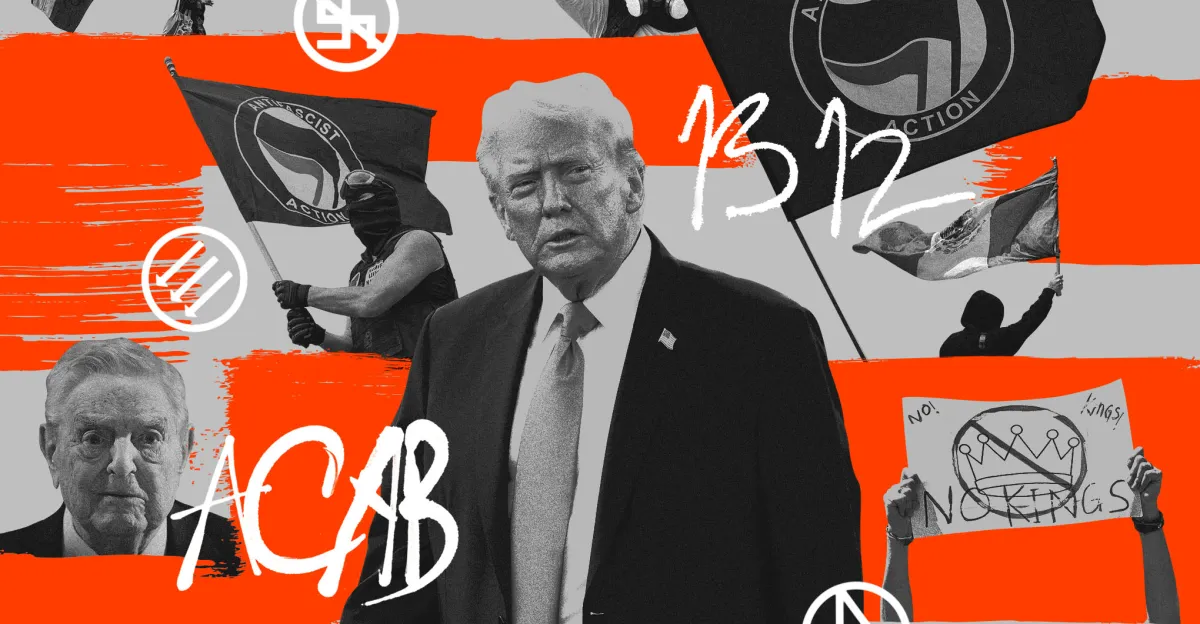

The Chilling Reality of the “War on Antifa” and Its Implications for Free Speech
Is calling out fascism now a crime? During the Trump administration, the already contentious political landscape took a sharp turn when the White House declared war on “antifa,” an abbreviation for anti-fascism. This move, executed through executive orders and national security presidential memorandums (NSPMs), has raised serious concerns about the weaponization of language, the erosion of civil liberties, and the potential for government overreach. Understanding the nuances of this “war on antifa” is crucial to safeguarding fundamental rights and preventing the suppression of dissent.
Decoding the “Antifa” Designation: More Than Meets the Eye
The heart of the controversy lies in the Trump administration’s attempt to classify antifa as a domestic terrorist organization. But what exactly is antifa?
What is Antifa? The Anti-Fascist Movement Explained
Antifa is not a monolithic organization with a centralized command structure. Rather, it is a decentralized movement characterized by a shared opposition to fascism and other far-right ideologies. This opposition manifests in various forms, from peaceful protests and community organizing to, in some instances, acts of property damage or physical confrontation.
Defining “antifa” is inherently challenging due to its decentralized nature. Activities and ideologies vary widely among those who identify with the anti-fascist cause.
The Problem with a Domestic Terrorism Designation
The move to label antifa a domestic terrorist organization is problematic for several reasons:
- Lack of Legal Basis: There is no legal designation for “domestic terrorist organization” in the United States. While federal law defines “domestic terrorism,” it doesn’t provide a mechanism for formally designating groups as such.
- Broad and Vague Definition: The Trump administration’s definition of antifa encompassed a wide range of activities and beliefs, making it easy to target individuals and groups based on their political views rather than their actions. As one source noted, “Antifa, as described in the NSPM, is both everything and nothing.”
- Chilling Effect on Free Speech: By equating anti-fascism with terrorism, the administration aimed to discourage Americans from criticizing or opposing fascist ideologies, thus suppressing free speech.
A Legacy of Language Manipulation: From “Enhanced Interrogation” to “Antifa Terrorism”
The Trump administration’s use of language to demonize political opponents is not a new phenomenon. This tactic echoes the Orwellian doublespeak employed by authoritarian regimes throughout history, including:
- George W. Bush administration: Coined phrases like “enhanced interrogation techniques” to euphemize torture.
- Historical authoritarian regimes: Repurposed words to distort reality and control public discourse.
The effort to redefine anti-fascism as terrorism follows a similar pattern, distorting language and manipulating public perception to achieve political goals.
Surveillance and Suppression: The Tools of the “War on Antifa”
The Trump administration’s “war on antifa” has far-reaching implications for civil liberties, particularly in the areas of surveillance and suppression of dissent.
Expanding Surveillance Powers: The Specter of the Patriot Act
The Trump administration sought to use the “antifa” threat as a pretext to expand government surveillance powers, echoing the excesses of the post-9/11 Patriot Act. This raises concerns about the potential for abuse and the erosion of privacy rights.
- Online Monitoring: The administration threatened to monitor internet activity and punish “wrongthink,” chilling free speech and open discourse.
- Financial Controls: The government sought to leverage its punitive controls on financial activity to target individuals and organizations associated with antifa.
Militarizing American Cities: A Dangerous Precedent
The deployment of federal troops to Portland, Oregon, and other cities under the guise of combating antifa represents a dangerous escalation of government power. This militarization of American cities raises serious questions about the role of the military in domestic law enforcement and the potential for abuse of power.
- Using Cities as Training Grounds: The Trump administration proposed using American cities as training grounds for the military, further blurring the lines between military and civilian functions.
Targeting Ideologies and Funding: A Witch Hunt in Disguise
The NSPM directed federal agencies to investigate individuals, organizations, and their donors associated with antifa, raising concerns about political targeting and the suppression of dissent.
The “Common Threads” of Antifa: An Ideological Dragnet
The memorandum defined antifa by its supposed “common threads,” including hostility towards traditional American views on family, religion, and morality, as well as anti-Americanism, anti-capitalism, and anti-Christianity. This broad and vague definition could be used to target anyone who holds dissenting views on these issues.
Following the Money: Targeting NGOs and Donors
The Trump administration has signaled its intention to target the funding streams of organizations associated with antifa, including non-governmental organizations (NGOs) and individual donors. This could have a chilling effect on charitable giving and discourage support for progressive causes.
- Targeting George Soros: The administration has specifically identified George Soros, a prominent philanthropist who supports human rights and pro-democracy groups, as a potential target for investigation.
Ignoring the Real Threat: Right-Wing Extremism
While focusing on the perceived threat of antifa, the Trump administration has downplayed the far more significant threat of right-wing extremism. This is despite data indicating that right-wing terrorism accounts for the majority of domestic terror attacks in the United States.
| Right-Wing Terrorism | Left-Wing Terrorism | |
|---|---|---|
| Number of Attacks per Year (2011-2024) | 20 | 4 |
| Body Count (2011-2024) | 112 | 8 |
The Erosion of Civil Liberties: A Long and Troubling History
The “war on antifa” is not an isolated incident but rather part of a broader pattern of government overreach and erosion of civil liberties in the name of national security.
The Muslim Community: A Precedent for Targeted Surveillance
The surveillance and targeting of the American Muslim community in the wake of 9/11 provides a stark warning about the potential for abuse in the “war on antifa.” This history demonstrates how anti-terrorism initiatives can be used to justify discriminatory practices and erode fundamental rights.
The January 6th Insurrection: A Double Standard on Domestic Terrorism
The January 6th insurrection, a violent attack on the US Capitol by right-wing extremists, exposed a glaring double standard in the government’s approach to domestic terrorism. Despite the severity of the attack, no terrorism charges were brought against the participants, highlighting the lack of a clear legal framework for addressing domestic extremism.
Resisting Authoritarianism: The Power of Everyday Anti-Fascists
Despite the challenges posed by the “war on antifa,” there are reasons for hope. The public backlash against the Trump administration’s policies, the resilience of grassroots movements, and the courage of ordinary citizens who stand up for their beliefs offer a powerful counterweight to authoritarianism.
The Importance of Speaking Out: Resisting the Chilling Effect
It is crucial to resist the chilling effect of the “war on antifa” by continuing to speak out against fascism and other forms of extremism. Silence and self-censorship only embolden those who seek to suppress dissent.
Recognizing the Power of Collective Action: Every Day is a Battle
The most effective way to combat authoritarianism is through collective action. By working together, ordinary people can challenge government overreach, protect civil liberties, and build a more just and equitable society. As one source puts it, “We are surrounded, one might say, by everyday anti-fascists.”
Conclusion: Defending Democracy Against the “War on Antifa”
The Trump administration’s “war on antifa” represents a dangerous assault on free speech, civil liberties, and the foundations of American democracy. By weaponizing language, expanding surveillance powers, and targeting political opponents, the administration sought to suppress dissent and consolidate its power.
It’s important to realize that the potential for harm is serious, regardless of how well these attacks are executed or how much “bluster” is behind them.
To safeguard our democratic values, we must resist the chilling effect of this “war on antifa” and stand in solidarity with those who are targeted. What do you think? Comment below!
Sources & Further Reading:
Original article at www.theverge.com


