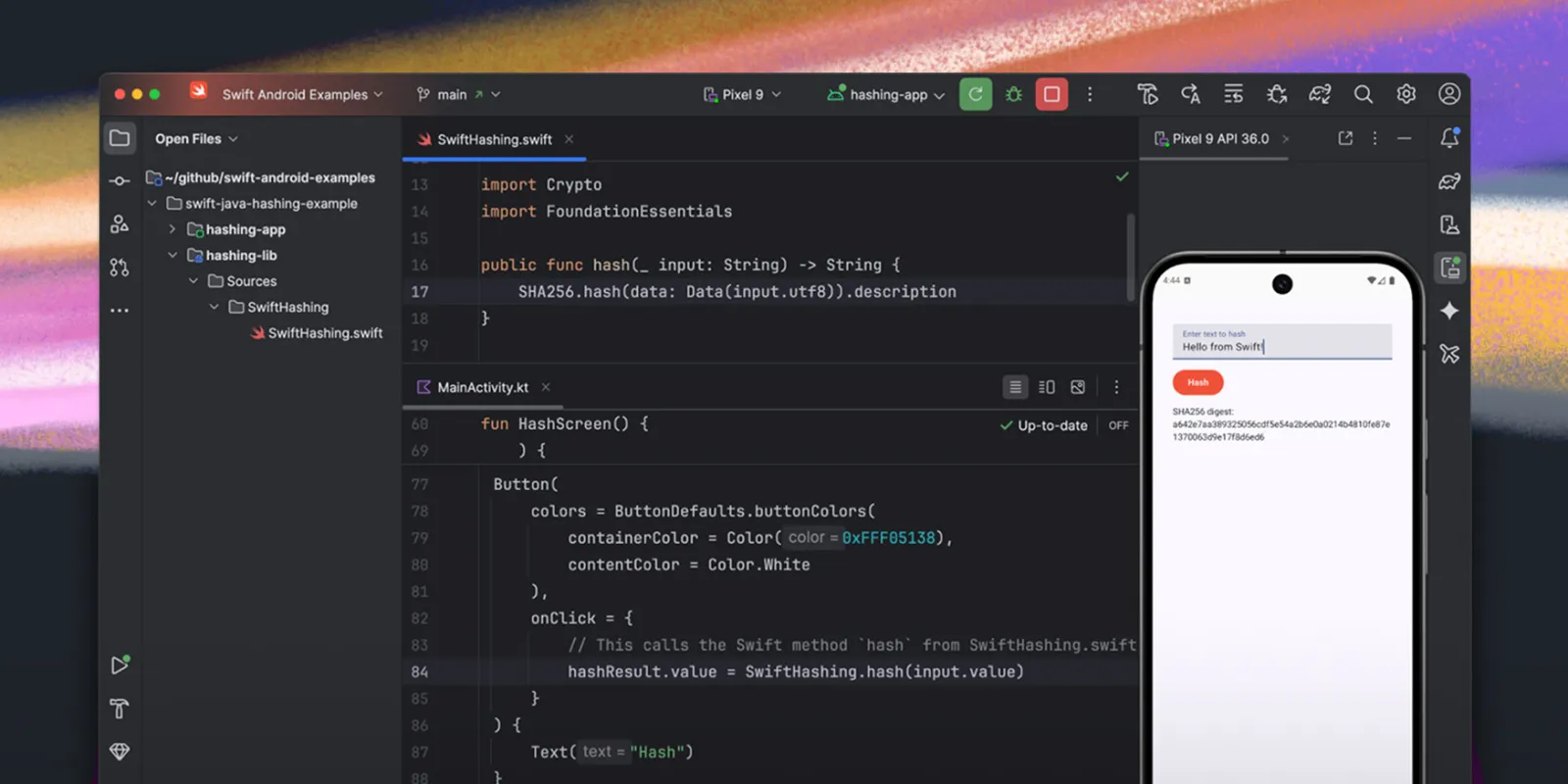

Can developers now build Android apps using Swift without compromise? In early 2026, the Swift SDK for Android reached a stable release, marking a pivotal moment for cross-platform mobile development. This SDK, initially previewed in 2025, enables Swift code to run natively on Android, opening new doors for code reuse and innovation. With seamless Java interoperability and a growing ecosystem, it’s a game-changer for mobile developers. Here’s what you need to know about the Swift SDK for Android in 2026.
Stable Release: What Changed Since 2025
Following the Android Workgroup’s announcement in early 2025, the Swift SDK for Android moved from nightly previews to a stable release in April 2026. The SDK is now bundled with the official Swift toolchain, available on Windows, Linux, and macOS. Key improvements include enhanced performance, reduced binary sizes, and full support for Android API 35. The workgroup also released a comprehensive starter guide and updated sample projects on GitHub, covering dependencies, packages, and integration with existing Android projects.
Key Features and Capabilities
The Swift SDK for Android offers several standout features:
- Java Interoperability: Through the swift-java project, developers can call Java libraries directly from Swift, making it easy to leverage Android’s existing ecosystem.
- Cross-Platform Code Sharing: Write business logic once in Swift and deploy it on both iOS and Android, reducing development time and costs.
- Native Performance: The SDK compiles Swift to native ARM code, ensuring performance comparable to Kotlin or Java.
- Toolchain Integration: Seamless integration with Swift Package Manager and popular IDEs like Visual Studio Code and Xcode.
How to Get Started with the Swift SDK for Android
To start building Android apps with Swift in 2026, follow these steps:
- Download the latest Swift toolchain from swift.org, which includes the Android SDK.
- Install the Android NDK (r27 or later) and set environment variables.
- Use the starter guide to configure your project, including dependencies like
AndroidandSwiftJavapackages. - Explore sample projects on GitHub for UI examples, network calls, and database access.
- Test on Android emulators or physical devices using ADB.
The workgroup also maintains a dedicated forum for developers to share experiences and report issues.
Comparison: Swift vs. Kotlin for Android Development
While Kotlin remains the official language for Android, Swift offers unique advantages:
| Feature | Swift SDK for Android | Kotlin |
|---|---|---|
| Cross-Platform | Native iOS code reuse | Multiplatform via KMP |
| Performance | Near-native ARM | JVM-based (fast) |
| Learning Curve | Swift syntax (easy for iOS devs) | Java-like (familiar for Android devs) |
| Ecosystem | Growing, with Java interop | Mature, with vast libraries |
For teams already invested in Swift, the SDK reduces the need to learn Kotlin, while Kotlin remains the safer choice for Android-only projects.
Community and Future Roadmap
The Android Workgroup has published a roadmap for 2026–2027, focusing on UI framework integration (e.g., Jetpack Compose via SwiftUI bindings), improved debugging tools, and expanded Java interop. The workgroup encourages developers to contribute via the Swift forums, where over 500 developers have already shared feedback since the stable release. As of April 2026, the SDK supports Android 12 through 15, with plans for Android 16 later this year.
Industry Reactions and Adoption
Major companies like Uber and Spotify have piloted the SDK for cross-platform modules, reporting up to 30% reduction in development time for shared features. The open-source community has contributed over 100 packages on GitHub, including networking, cryptography, and UI components. Critics, however, note that Swift’s memory management (ARC) can introduce subtle bugs on Android, requiring careful testing.
The Swift SDK for Android in 2026 is a mature, production-ready tool for cross-platform development. Whether you’re an iOS developer exploring Android or a team seeking code reuse, the SDK offers a compelling path forward. Start building today with the official resources, and share your feedback on the Swift forums. What do you think about using Swift for Android? Comment below!


