
Is the Era of Ultra-Thin Smartphones Over? Samsung Cancels Galaxy S26 Edge
What if the future of smartphones isn’t about chasing the thinnest possible profile? Recent news suggests a potential shift in consumer preferences. Samsung has reportedly made a surprising decision, abruptly halting development of its Galaxy S26 Edge. This move comes after the disappointing sales of the Galaxy S25 Edge, a device specifically designed to be an ultra-thin competitor to the iPhone Air. This news raises questions about the viability of ultra-slim flagship devices and whether consumers are willing to sacrifice other features for a thinner design. Let’s delve into the details surrounding the Galaxy S26 Edge cancellation and what it might mean for the future of smartphone design.
The Unexpected End of the Galaxy S26 Edge: What Happened?
According to reports from Korea’s NewsPim, Samsung has ceased all work on the Galaxy S26 Edge. This decision was reportedly communicated internally, marking the end of the line for this particular design direction. The impetus behind this drastic move stems from the underwhelming performance of its predecessor, the Galaxy S25 Edge.
Disappointing Sales of the Galaxy S25 Edge
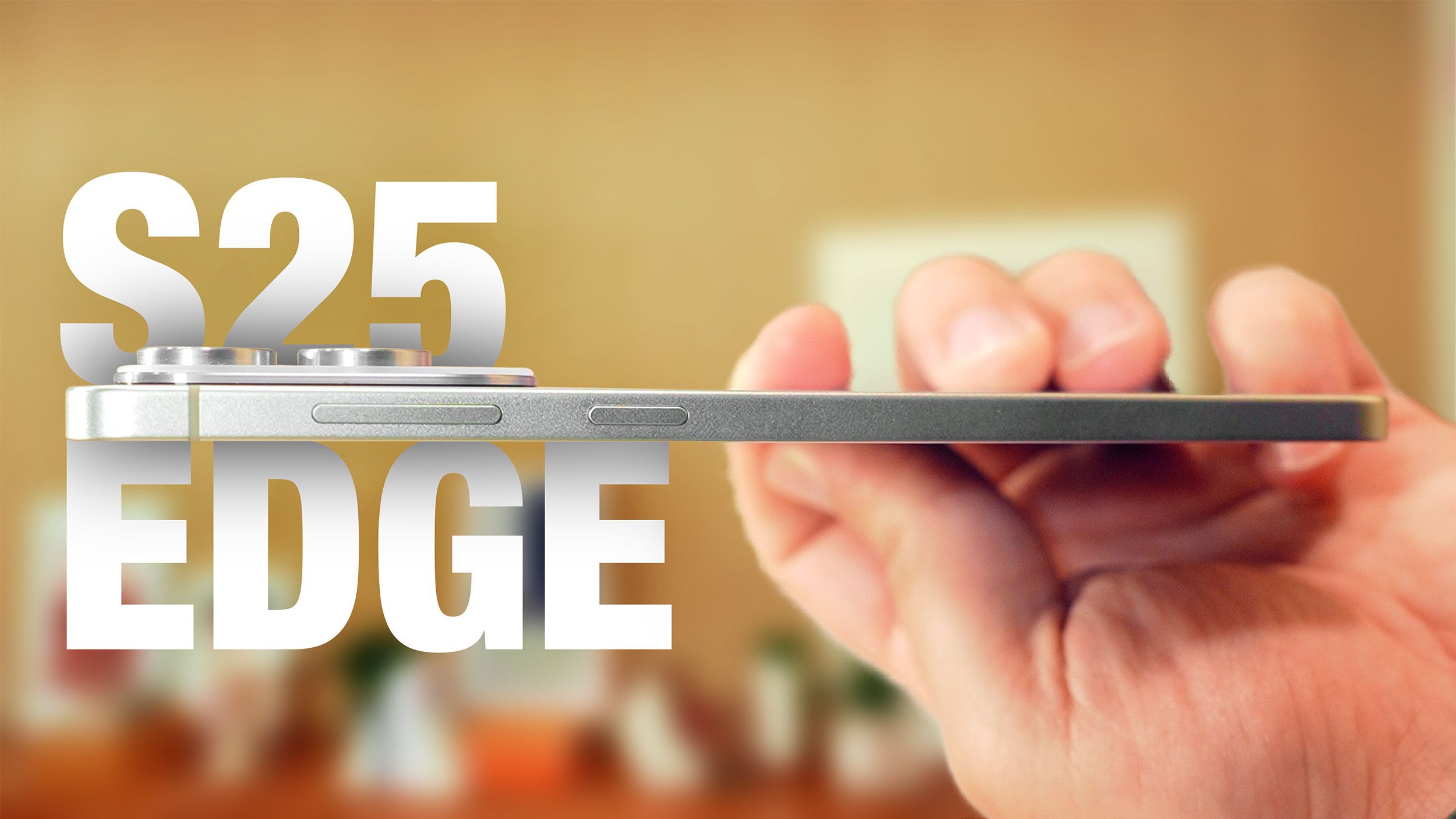
The Galaxy S25 Edge, boasting a remarkably thin 5.5mm profile, aimed to capture a segment of the market craving sleekness above all else. However, this emphasis on thinness came at a cost. Critics pointed to the reduced battery capacity (3,900mAh) and the relatively high price tag as significant drawbacks. Consumers apparently weren’t as enthusiastic about the ultra-thin design as Samsung had anticipated.
Specifically, what were the main drawbacks and why did they matter?
-
Compromised Battery Life: A thinner phone often means less space for a battery. While battery technology is constantly improving, there’s a fundamental limitation to how much energy can be packed into a smaller volume. A 3,900mAh battery, while respectable, is significantly smaller than batteries found in other flagship phones. Consumers prioritize battery life for all day use, and sacrificing that for a thinner device was a difficult sell.
-
Durability Concerns: A thinner device can naturally be more susceptible to bending or breaking. The materials used in the Galaxy S25 Edge likely had to be more carefully chosen to compensate, but concerns about structural integrity likely still lingered in the minds of potential buyers. The term thin can easily be associated with fragile.
-
High Price Point: Innovation often comes at a premium. The engineering required to create such a thin device likely increased manufacturing costs, which were then passed on to the consumer. For many, the added cost wasn’t justified by the slim form factor alone.
Samsung Shifts Focus to the Galaxy S26 Plus
Internal discussions reportedly began in September, indicating a shift in priorities toward the more conventional “Plus” form factor. The conclusion was clear: consumer demand for ultra-slim flagships wasn’t meeting expectations. As a result, Samsung will now focus on developing a Galaxy S26 Plus model for its 2026 lineup. This decision represents a return to the company’s traditional three-tier structure: base model, Plus model, and Ultra model.
This shift in strategy highlights a crucial point about consumer behavior: while innovation is appreciated, practical considerations often outweigh purely aesthetic desires. Consumers want a phone that’s not only visually appealing but also durable, has excellent battery life, and offers good value for money.
Galaxy S26 Edge Cancellation: A Sudden and Embarrassing Decision
Despite the cancellation, the Galaxy S26 Edge was reportedly already fully developed. This makes the decision all the more surprising and, according to sources within Samsung, has created a “chaotic” and “embarrassed” atmosphere within the company. Samsung plans to sell through its existing inventory of the Galaxy S25 Edge and will cease production once stocks are depleted.
The Wider Implications: What Does This Mean for the Smartphone Market?
Samsung’s decision to abandon the Galaxy S26 Edge has broader implications for the smartphone market as a whole. It raises questions about the future of ultra-thin designs and whether other manufacturers might be reconsidering their own strategies.
Parallels with Apple’s iPhone Air
Interestingly, the news of the Galaxy S26 Edge cancellation coincides with reports of potentially weak demand for Apple’s iPhone Air. Analyst Ming-Chi Kuo noted that the iPhone Air was the only model of the four new iPhones that was readily available at launch, suggesting that sales might be lower than expected. If true, this could indicate a broader trend: consumers might be less interested in ultra-thin devices than manufacturers initially believed.
This point warrants further analysis:
- It’s premature to label the iPhone Air a failure as it’s just one report from one analyst.
- The availability can be attributed to Apple’s excellent supply chain operations instead of lack of demand.
- “Air” may refer to lightweight instead of thin.
The Return of Prioritizing Functionality over Form
Samsung’s decision to focus on the Galaxy S26 Plus signals a return to prioritizing functionality over pure aesthetics. By opting for a more conventional design, Samsung can address consumer concerns about battery life, durability, and overall value. The Plus model typically offers a larger display and battery compared to the base model, making it a more appealing option for consumers who prioritize those features.
Comparing the Potential Advantages of a “Plus” Model:
| Feature | Plus Model Advantage |
|---|---|
| Battery Life | Larger battery capacity for longer usage |
| Display Size | More screen real estate for enhanced viewing and productivity |
| Processing Power | Better cooling which can yield to higher sustained processing power |
| Usability | Easier grip and handling |
This is not to say that design isn’t important. However, it suggests that consumers are looking for a balance between aesthetics and practicality. They want a phone that looks good but also performs well and lasts throughout the day.
What’s Next for Samsung and the Smartphone Industry?
The cancellation of the Galaxy S26 Edge represents a course correction for Samsung. The company is now expected to focus on refining its existing product lineup and delivering devices that meet the evolving needs of consumers. The development of the S26 Plus is expected to begin before the end of the third quarter of 2025, leaving Samsung time to incorporate feedback and ensure that the new model addresses the shortcomings of the S25 Edge’s design philosophy.
This decision also serves as a reminder that the smartphone market is constantly evolving. What was once considered cutting-edge can quickly become obsolete as consumer preferences change and new technologies emerge. Manufacturers must be agile and responsive to stay ahead of the curve.
Conclusion: A Lesson Learned in the Pursuit of Thinness
The abrupt cancellation of the Galaxy S26 Edge highlights a crucial lesson for smartphone manufacturers: chasing extreme thinness can come at a cost. While sleek designs are undoubtedly appealing, consumers ultimately prioritize functionality, durability, and battery life. Samsung’s decision to refocus on the Galaxy S26 Plus suggests a return to prioritizing these core features. Only time will tell if Apple also adapts with its “Air” lineup. What do you think? Is the era of ultra-thin smartphones over? Comment below!
Sources & Further Reading:
Original article at www.macrumors.com


