
Is the Electric Truck Revolution Stalling? Ram’s EV Shift Signals Industry Challenges
Are electric trucks poised to take over the roads, or is the transition proving more challenging than initially anticipated? The automotive industry has been buzzing about the electric vehicle (EV) revolution for years, but recent developments suggest a more nuanced reality, especially when it comes to heavy-duty vehicles. Stellantis’ recent decision to rename its Range-Extended Electric Vehicle (REEV) Ramcharger pickup to Ram 1500 REV highlights the hurdles and shifts occurring in the electric truck market. This move, coupled with broader industry trends, indicates a period of recalibration as automakers grapple with consumer demand, technological limitations, and economic realities in the quest to produce viable electric trucks.
The Ram 1500 REV: A Name Change and a Shift in Strategy?
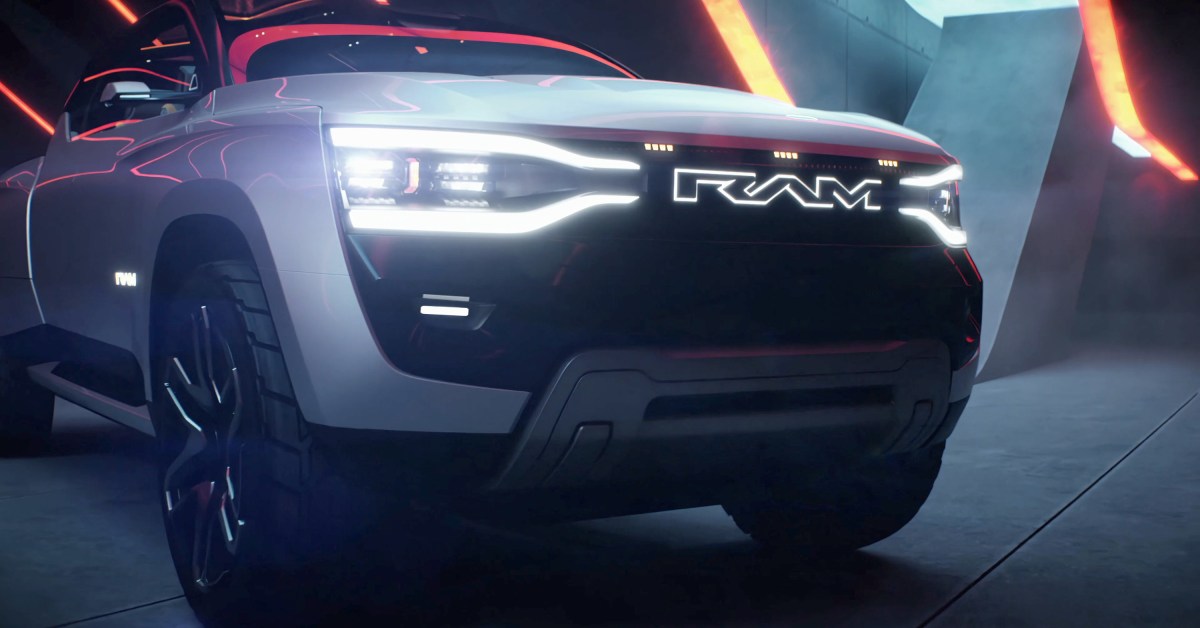
The decision by Stellantis to rename the Ramcharger to the Ram 1500 REV is more than just a branding exercise. It reflects a broader strategic consideration in the face of evolving market dynamics for electric vehicles. While the “Ramcharger” name plate will live on, the shift signals a potential re-evaluation of the company’s approach to its electric truck lineup.
Why the Name Change?
The official statement from Stellantis emphasizes the Ram 1500 REV’s ambition to “set a new benchmark in the half-ton segment, offering exceptional range, towing capability, and payload performance.” This suggests that the company wants to clearly position its electric truck within the established Ram 1500 family, leveraging the brand’s existing reputation for performance and reliability.
However, the name change also coincided with other significant events within Stellantis, including the resignation of CEO Carlos Tavares following a reported decline in sales. Accusations of neglecting the company’s U.S. brands and failing to release more affordable models also surfaced. While a direct correlation between the CEO’s departure and the EV strategy is difficult to definitively prove, it underscores the pressures the company is facing in navigating the transition to electric vehicles.
The STLA Frame: Foundation for Flexibility
Both the Ramcharger (before the renaming) and the Ram 1500 REV are designed around Stellantis’ STLA Frame body-on-frame platform. This platform is engineered to accommodate a variety of powertrains, including electric, gas, hybrid, and even hydrogen. This multi-powertrain capability is crucial in a market where consumer adoption of EVs is still developing. The STLA Frame platform provides Stellantis with the flexibility to adapt its production and offerings based on consumer demand and regulatory changes. The original Ramcharger design leveraged this platform’s versatility with its range-extended electric vehicle setup, boasting a projected range of up to 690 miles on a full charge and tank. This is a significant advantage as range anxiety remains a major concern for potential EV buyers.
Electric Truck Reality Check: Delays, Cancellations, and Consumer Hesitation
Stellantis’ repositioning of the Ram 1500 REV comes amidst a broader trend of automakers re-evaluating their EV strategies. Several factors are contributing to this shift.
The End of Incentives: A Cooling Effect on EV Sales?
The elimination or reduction of federal tax credits and other incentives aimed at promoting EV sales is having a noticeable impact. These incentives played a crucial role in making EVs more financially accessible to a wider range of consumers. With these incentives fading, automakers are bracing for a potential slowdown in EV sales. This is forcing companies to carefully assess their production plans and adjust their strategies accordingly.
- Impact of Incentives: Government incentives, such as tax credits and rebates, directly reduce the upfront cost of EVs for consumers, making them more competitive with traditional gasoline-powered vehicles.
- Market Response: The removal or reduction of these incentives can lead to a decrease in EV demand, as consumers become more price-sensitive.
- Automaker Strategy: Automakers may delay or cancel EV production plans in response to lower demand, focusing instead on more profitable segments.
The Challenges of Electrifying Big, Heavy Trucks
Electrifying large, heavy trucks presents unique engineering and economic challenges. These vehicles require significantly larger and heavier batteries than passenger EVs to deliver adequate range and performance. This translates to higher production costs for automakers, which can be difficult to pass on to consumers in a competitive market.
- Battery Size and Weight: Electric trucks typically need much larger battery packs to achieve competitive range and towing capabilities, significantly increasing their weight and cost.
- Charging Infrastructure: The charging infrastructure for electric trucks is still underdeveloped, particularly in areas where these vehicles are commonly used, such as rural areas and construction sites.
- Towing and Hauling Performance: Electric trucks tend to experience a significant reduction in range when towing or hauling heavy loads, which can be a major drawback for consumers who rely on their trucks for work.
Slowing Sales of Electric Trucks: Are Consumers Ready?
The sales of electric trucks like the Ford F-150 Lightning, Rivian R1T, and Tesla Cybertruck have generally been slower than anticipated. This suggests that consumers may be hesitant to fully embrace electric trucks, particularly in segments where performance and practicality are paramount.
Here’s a comparison of existing electric trucks:
| Truck Model | Starting Price (USD) | Estimated Range (Miles) | Key Features |
|---|---|---|---|
| Ford F-150 Lightning | $49,995 | 230-320 | Pro Power Onboard, large frunk, familiar F-150 design |
| Rivian R1T | $73,000 | 260-400+ | Adventure-focused, gear tunnel, luxurious interior |
| Tesla Cybertruck | $60,990 | 250-500+ | Futuristic design, stainless steel exoskeleton, Autopilot capabilities |
| Ram 1500 REV | TBD | Up to 500 | Expected to blend Ram’s towing prowess with electric efficiency |
- Range Anxiety: Concerns about range, particularly when towing or hauling heavy loads, remain a major barrier for potential electric truck buyers.
- Charging Time: Longer charging times compared to refueling gasoline vehicles can be inconvenient for users who rely on their trucks for work.
- Purchase Price: The higher upfront cost of electric trucks compared to traditional gasoline trucks is a significant factor for many consumers.
- Performance Expectations: Consumers expect their electric trucks to perform as well as or better than their gasoline counterparts in terms of towing, hauling, and overall reliability. Any shortcomings in these areas can negatively impact sales.
The Future of Electric Trucks: A Gradual Transition
The challenges facing the electric truck market suggest that the transition to full electrification will be a gradual process. Automakers are likely to continue investing in a range of powertrain options, including hybrids, plug-in hybrids, and range-extended EVs, to meet the diverse needs of consumers.
The Importance of Hybrid and Range-Extended Options
Hybrid and range-extended electric vehicles offer a practical compromise between traditional gasoline vehicles and fully electric vehicles. These vehicles combine the benefits of electric propulsion with the flexibility of a gasoline engine, providing extended range and reducing range anxiety. They allow consumers to experience some of the advantages of electric driving without completely sacrificing the convenience and familiarity of gasoline-powered vehicles.
Building a Robust Charging Infrastructure
The development of a robust and accessible charging infrastructure is essential for the widespread adoption of electric trucks. This includes investing in high-speed charging stations along major highways and in urban areas, as well as providing incentives for businesses and homeowners to install charging equipment. A well-developed charging infrastructure will alleviate range anxiety and make electric trucks more convenient for everyday use.
Lowering Battery Costs and Improving Technology
Continued innovation in battery technology is crucial for reducing the cost and weight of electric truck batteries while improving their range and performance. Advances in battery chemistry, energy density, and charging speeds will make electric trucks more competitive with traditional gasoline trucks and accelerate their adoption.
Conclusion: Navigating the Electric Truck Landscape
The automotive industry is undergoing a significant transformation as it transitions to electric vehicles. While the shift to EVs is inevitable, the path forward for electric trucks appears to be more complex than initially anticipated. Stellantis’ decision to rename the Ramcharger to the Ram 1500 REV, coupled with broader industry trends, highlights the challenges and adjustments occurring in the electric truck market. While hurdles remain, ongoing innovation, infrastructure development, and evolving consumer preferences suggest that electric trucks will eventually play a more prominent role in the automotive landscape. The journey may be longer than some initially expected, but the electric truck revolution is still underway.
What are your thoughts on the future of electric trucks? Do you think they will eventually replace gasoline-powered trucks, or will they remain a niche market? Share your opinions in the comments below!
Sources & Further Reading:
Original article at www.theverge.com


