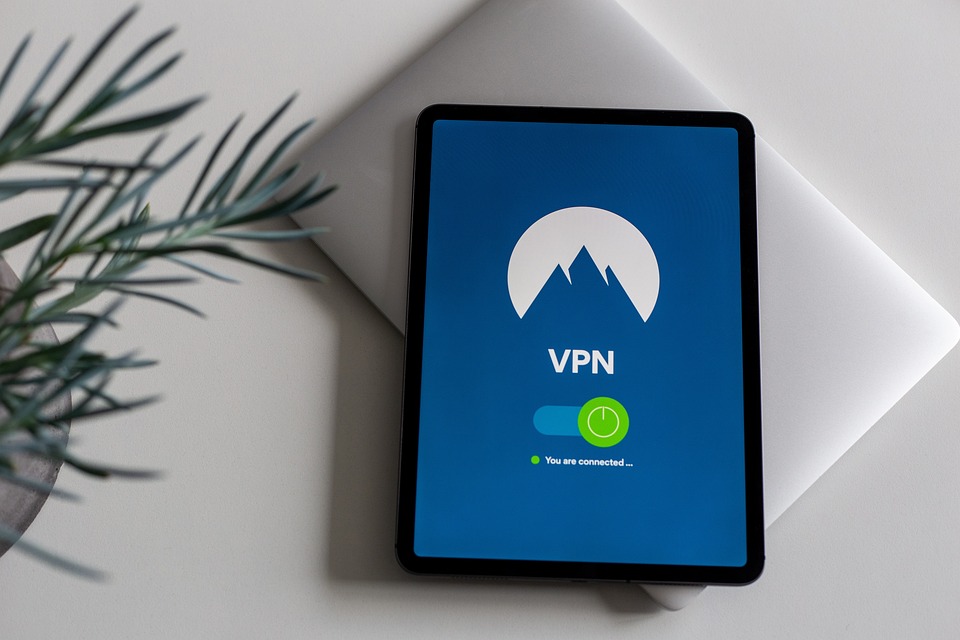

The Invisible Shield Gets Sharper: Proton VPN’s Game-Changing Exclusion Feature Unpacked
Did you know your VPN could inadvertently compromise your privacy? That’s the hidden risk cybersecurity pros have whispered about: Connecting through countries with oppressive surveillance laws or unstable networks despite believing you’re protected. This gap finally has an answer. Proton VPN – renowned for privacy-first solutions – unveiled its Exclude locations feature for Android, fundamentally reshaping IP address control. Directly tackling user frustration over involuntary routing through unwanted jurisdictions, this update shifts users from reactive server-switching to proactive geo-defense. Privacy isn’t just encryption; it’s controlling every pitstop your data makes.
The Thorny Problem: Why Geography Matters More Than You Think
Before this update, Proton VPN operated like most competitors: Users could selectzeichnungen desired locations or let algorithms choose the “Fastest” or “Random” server. But inconvenient truths persisted:
- Legal Havens for Surveillance: Countries like the UK, UAE, and Russia enforce invasive data retention laws. A VPN routing through these regions could expose metadata despite encryption.
- Censorship Zones: Nations firewalling international services (e.g., China restricting Google) could break workflows if your exit node landed there unexpectedly.
- Unstable Paths: Users complained about sluggish servers in overburdened locations sinking streaming or video calls.
Imagine manually changing servers five times daily because Algeria’s latency throttled downloads or Singapore’s strict net neutrality laws blocked access. Reactive fixes wasted time and confidence.
Engineering Precision: Inside Proton’s Exclusion Protocol
David Peterson, Proton’s General Manager, confirmed on Twitter/X that Android users now wield surgical control under Connection Preferences.
The mechanics showcase ProtonVPN’s multi-layered approach:
- Granular Avoidance: Block entire nations (Hong Kong) or drill down to cities (Hong Kong Island vs Kowloon).
- Algorithm Integration: Rules activate in “Fastest” and “Random” modes – precisely where users sacrificed precision for convenience.
- Version-Specific Rollout: Available only from version 5.15.70.0 (Play Store). iOS/Windows users await parity – a confirmed gap Proton will prioritize.
Embedding this intelligence into automated modes required overhauling Proton’s routing logic. Excluded locations now dynamically reroute traffic without compromising speed determinations.
| Feature | Before Exclusion Update | After Exclusion Update |
|---|---|---|
| Control Level | Manual server selection post-connection | Preemptive geo-fencing |
| Algorithm Compatibility | Not applicable to Random/Fastest modes | Fully integrated |
| Threat Mitigation | Reactive | Proactive |
Beyond Proton: How Competitors Stack Up
ProtonVPN isn’t alone in tackling geo-vulnerabilities, but its implementation sets benchmarks:
✔️ NordVPN’s “Dedicated IP” offers static entrance points but lacks broad location avoidance. Priced higher at $70/year vs Proton’s $72/year (discounted plans available).
Check NordVPN’s approach on Wikipedia.
✔️ ExpressVPN uses TrustedServer technology wiping data on reboot but mandates manual server choices. Automation ≠ exemption control.
ProtonVPN pulls ahead through systemic automation-checks without reportedly sacrificing core privacy practices audited by SECURA.
Real-World Impact: Who Needs Exclusion Lists?
Professionals breathe easier avoiding shaky digital jurisdictions:
– Journalists: Dodge servers in countries hostile toward press freedom. Blocking Turkey could prevent IP-linked harassment.
– Expatriates: Access home content reliably – exclude regions geo-restricting streaming platforms like BBC iPlayer or Hulu.
– Privacy Advocates: Sidestep Five/Eyes alliance locations strengthening anonymity against government sniffing.
Law firms managing sealed document transfers highlight practical effects: Routing around jurisdictions lacking GDPR-equivalents decreases legal risk, possibly preventing accidental jurisdiction complications.
The Caveats: Platform Limits and Lingering Risks
Not a privacy panacea:
⚠️ Platform Fragmentation: Android exclusivity disadvantages iOS/Windows usersprehensive ProtonCMO told our sources ports remain prioritized.
⚠️ Legal Blind Spots: Exclusion lists personalize avoidance but can’t negate ISP-level surveillance or endpoint vulnerabilities. Use Tor layering for critical ops.
⚠️ User Commitment: Requires active list curation – consider annually updating blocked zones per shifting global laws like the U.S.’s expanding CLOUD Act reach.
Still, avoiding India’s mandated VPN logging (2022 policy) or Russia’s SORM surveillance becomes one-toggle.
Forward Focus: Privacy Controls Evolve
For now, Android users regain control over data paths. Location exclusion transforms ProtonVPN sanctions straightforward sovereignty where geopolitics infringe into digital rights. Yet VPNs remain one layer within holistic cybersecurity strategies alongside encrypted messaging or Zero Trust architectures. As Peterson tweeted, this answers “long-running” friction – but scrutinizedopen-source tools demand continual improvements. Expect rivals to scramble implementing parallels. Meanwhile, privacy shifts from hope to deliberate instruction: Draw borders your data won’t cross.
Which countries would you add to your exclusion list first? Does this innovation influence your VPN loyalty? Share your cybersecurity manifesto below.


