
The Double Whammy: When “Secure” Radio Encryption Had Hidden Flaws—Twice
What if the very systems designed to shield the communications of police, intelligence agencies, and critical infrastructure operators were wide open to eavesdroppers—not just once, but twice? This isn’t the plot of a spy thriller; it’s the alarming reality uncovered by Dutch researchers investigating widely-used radio encryption standards. In 2023, a startling revelation exposed an intentional backdoor lurking undetected for decades within the TETRA encryption algorithm, a cornerstone of secure critical communications worldwide. But the story doesn’t end there. Now, the same team has discovered that the very end-to-end security solution hastily endorsed to fix the original flaw suffers from a similarly crippling vulnerability—a flaw potentially putting highly sensitive, high-stakes communications at continuous risk. This chain of critical infrastructure encryption failures exposes systemic weaknesses in how essential security technologies are developed, vetted, and deployed, demanding urgent scrutiny.
The TETRA Time Bomb: Unmasking Decades of Hidden Danger
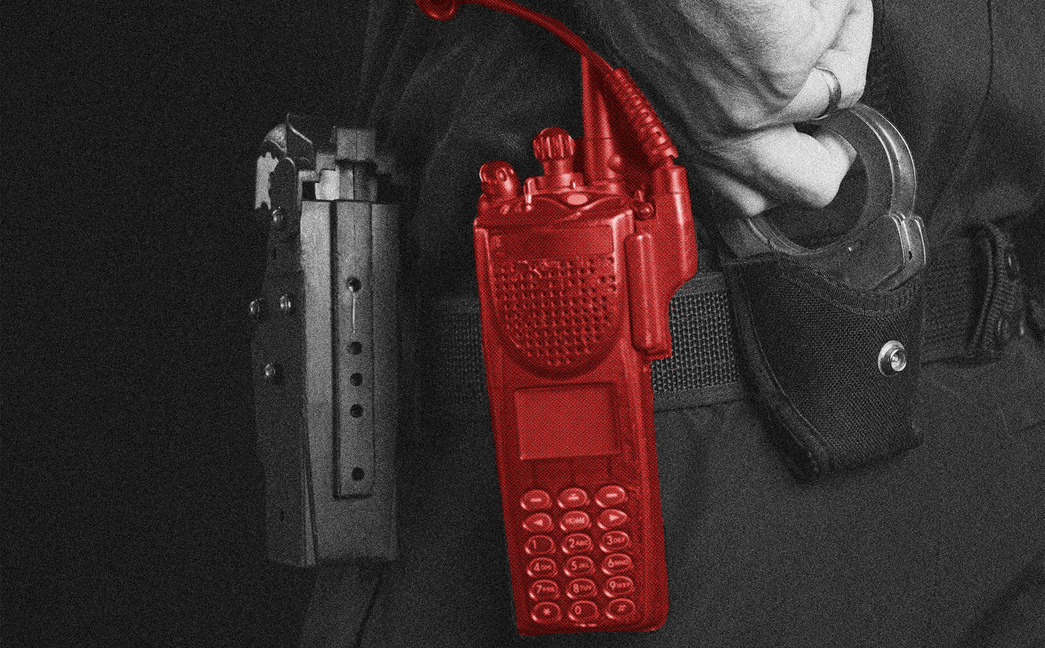
Researchers Carlo Meijer, Wouter Bokslag, and Jos Wetzels from Dutch security firm Midnight Blue made headlines in 2023 with a bombshell discovery. After painstaking reverse-engineering, they revealed deliberate backdoors embedded within the encryption algorithms of the Terrestrial Trunked Radio (TETRA) standard, managed by the European Telecommunications Standards Institute (ETSI). TETRA, developed in the 1990s, is a global radio standard foundational to secure communication systems. Major manufacturers like Motorola, Damm, and Sepura integrated TETRA into radios deployed across vital sectors:
- Law Enforcement & Emergency Services: Police, fire departments.
- Military & Intelligence: Special forces, covert operatives.
- Critical Infrastructure: Utilities, power grids, transportation systems.
The backdoors, hidden within the proprietary algorithms (like TEA1, TEA2), were intentionally designed to weaken the encryption, allowing entities with specific knowledge to decrypt supposedly secure communications. Crucially, ETSI had maintained strict secrecy around these algorithms for over twenty years, preventing independent public security audits under the guise of “security through obscurity.” This lack of transparency was a core enabler of the vulnerability’s longevity. More on TETRA’s technical specifications can be found on authoritative sources like the TETRA Wikipedia page. Experts widely condemned this approach, noting that robust security relies on open scrutiny, not hidden complexities. The sheer scale of TETRA’s deployment meant billions of potentially compromised messages used in operations with national security implications lingered undiscovered until Midnight Blue’s disclosure.
The Flawed Fix: End-to-End Encryption’s Shockingly Weak Key
Facing immense pressure following the TETRA disclosure, ETSI offered guidance: organizations handling sensitive communications should deploy an additional layer of end-to-end encryption (E2EE) on top of the compromised TETRA encryption. This E2EE solution is complex and costly, typically reserved for high-risk users like special forces or intelligence units requiring the highest security tier. ETSI promoted specific E2EE algorithms as the necessary patch.
Alarmingly, Midnight Blue’s follow-up analysis revealed that at least one major implementation of this very E2EE solution contained a fundamental cryptographic flaw:
- Key Strength Deception: The algorithm begins with a seemingly robust 128-bit encryption key.
- Critical Compromise: Before actually encrypting the traffic, however, it inexplicably compresses this key down to a feeble 56 bits.
- Heightened Vulnerability: A 56-bit key length is devastatingly weak by modern cryptographic standards. For context, the outdated DES (Data Encryption Standard), famously crackable since the late 90s, also used 56 bits and can be brute-forced relatively cheaply with contemporary computing power (cloud resources, specialized hardware). This drastically reduces the effort needed for attackers to decrypt protected communications.
| Key Vulnerability Comparison | ||
|---|---|---|
| Algorithm | Key Size | Vulnerability |
| TETRA (Original Flaw – 2023) | Variable | Intentional Backdoor |
| DES (Historical Reference) | 56 bits | Breakable since ~1999 |
| E2EE Implementation (New Flaw) | 56 bits (effective) | Trivializes decryption |
| AES-128 (Modern Standard) | 128 bits | Considered currently secure |
The ramifications are severe. While the exact vendor and end-users of this flawed E2EE implementation remain unclear, its presence in a solution explicitly endorsed to mitigate critical TETRA risks represents a massive breach of trust. Operators relying on this “secured” layer, potentially expanded due to ETSI’s advice, may be blissfully unaware their communications remain perilously exposed.
High Stakes, High Costs, and Hidden Risks
The profile of TETRA and the endorsed E2EE users elevates these vulnerabilities to a global security crisis level:
- Sensitive Operations: These radios facilitate missions involving national security threats, counter-terrorism, and covert intelligence gathering. Compromised communications can lead to catastrophic mission failure or loss of life.
- Critical Infrastructure Protection: Control systems for power plants, water treatment facilities, and railroads depend on these communications. Sabotage via intercepted commands is a tangible nightmare scenario.
- Costly Solutions & Widespread Reach: The specialized E2EE systems are expensive, limiting deployment primarily to high-budget entities like elite military units. However, ETSI’s 2023 recommendation likely pushed this flawed E2EE solution to more law enforcement and infrastructure operators compared to its pre-TETRA-scandal footprint. Organizations globally adopted E2EE in good faith, unaware its own design could be fundamentally broken.
The Poisoned Chalice of Proprietary Secrecy
The recurring nightmare with TETRA and its E2EE solution stems from a core systemic failure: proprietary standards and “security by obscurity.”
- Decades of Denied Scrutiny: ETSI fiercely guarded both the TETRA algorithms and the technical specifications of the promoted E2EE solution as proprietary secrets for decades, explicitly preventing independent cryptanalysis. This obstructed the early discovery of the flaws.
- “Obscurity” is Not Security: Cryptography experts universally reject the notion that hiding code makes it secure (Kerckhoffs’s principle). True resilience comes from algorithms designed to be secure even when fully known, tested openly by the global community. The Midnight Blue researchers only found these flaws because they invested immense effort in reverse-engineering the closed systems – a task most organizations cannot undertake.
- A Pattern Requiring Change: This incident echoes other historical encryption scandals driven by secrecy, such as the Clipper Chip debacle or the Dual_EC_DRBG backdoor. Standards adopted by governments and critical infrastructure must prioritize open design and mandatory, transparent peer review to avoid repeating these dangerous failures.
Towards Truly Trustworthy Communication: A Path Forward
The double-whammy of flaws in TETRA and its endorsed E2EE requires decisive, systematic action:
- Immediate Audit Mandates: Users of TETRA systems and any ETSI-promoted E2EE must demand full, independent cryptographic audits of their devices from vendors.
- Transparency Revolution: Standard-setting bodies like ETSI must abandon proprietary secrecy. Critical security algorithms should be open-source by default, subject to continuous public scrutiny, as seen in standards like AES.
- Modernization & Phased Obsolescence: Governments and agencies using vulnerable TETRA systems need accelerated plans to migrate to modern, thoroughly vetted alternatives with verifiable end-to-end encryption using open standards.
- Vendor Accountability: Manufacturers found implementing or knowingly using severely weakened algorithms must face significant scrutiny and consequences.
Conclusion: A Cycle of Compromise That Must End
The TETRA saga, now compounded by the flawed end-to-end encryption implementation promoted as its remedy, reveals a deeply concerning pattern. Critical communications systems, entrusted to protect the most sensitive operations on the planet, were compromised by intentional backdoors and then by shockingly inadequate cryptographic design—both shielded for decades by unnecessary secrecy. This critical infrastructure encryption vulnerability saga is more than a technical failure; it’s a stark warning about the perils of blind trust and the absence of mandated transparency in vital security standards. The security of law enforcement, military operations, and essential utilities cannot afford another round of hidden weaknesses. Moving forward requires radical transparency, rigorous open vetting, and a fundamental shift away from the flawed “security through obscurity” doctrine that enabled this double disaster.
What do you think? Should governments mandate the use of open-source, publicly-vetted encryption standards for all critical infrastructure? Share your thoughts in the comments below!
Sources & Further Reading:
Original article at arstechnica.com


