
The Pentagon AI Showdown: When Ethical Lines Divide Defense and Developers
Ever wondered what happens when a tech giant stares down the Pentagon over ethical boundaries? That’s precisely where Anthropic?_a rising AI powerhouse?_finds itself. After winning a lucrative $200 million Defense Department contract, the firm now faces a rupture. According to a leaked Axios report, anonymized Pentagon sources threaten to drop Anthropic’s tools, citing “ideological” opposition to military demands. This brewing Anthropic AI Pentagon conflict spotlights a critical tension: Can developers restrict lethal and surveillance uses without alienating national security partners? With AI warfare looming, these aren’t theoretical debates?they réel choices shaping global power struggles.
Why Anthropic Stands Apart in Military AI Partnerships
Pentagon sources label Anthropic the most steadfastly “ideological” among its AI vendors. Unlike peers anxiously courting defense contracts, Anthropic imposes explicit guardrails on how the Pentagon deploys its models?notably Claude (its ChatGPT rival) and Claude Code (a generative tool for building software). Pause: This contradicts its 2023 celebration of winning Pentagon work as a “new chapter in supporting U.S. national security.”
Founder-CEO Dario Amodei clarifies this stance via NYT’s “Interesting Times” podcast and his essay “The Adolescence of Technology”: Anthropic refuses compromising on twin pillars:
- Full autonomy in weapons systems
- Mass domestic surveillance networks
While rivals chase uncapped military applications, Amodei insists tech firms must navigate this adolescent phase with moral guardrails intact.
The company’s actions reinforce commitments:
| Anthropic Action | Market Impact | Ethical Signal |
|---|---|---|
| Released Claude Code | Wall Street sells stock in affected industries | Consistent ambition despite unease |
| Turned Down Pentagon Flexibility Requests | Risked $200狩M contract | Guardrails outweigh revenue |
| Clearly Articulated Autonomous/Domestic Limits | Contrasts with other AI labs | Establishes ethical benchmark |
Autonomous Weapons: A Constitutional Turning Point
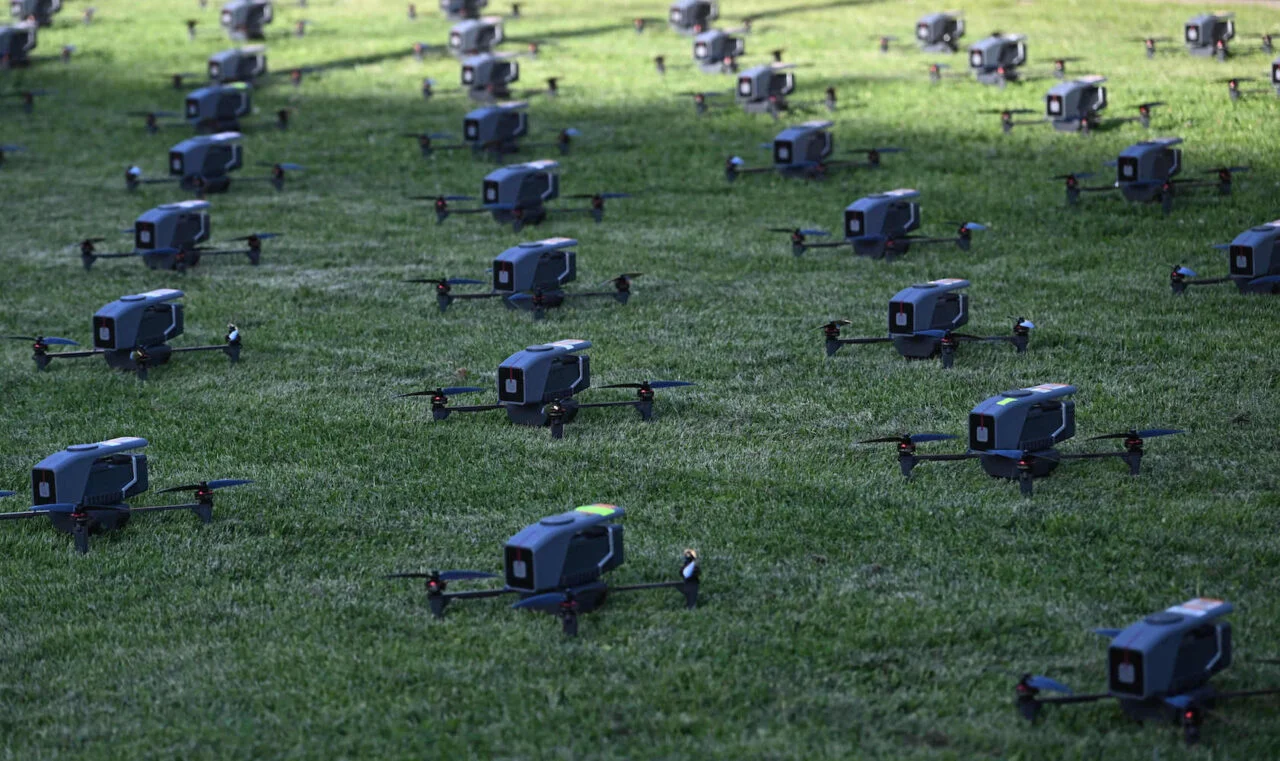
Why draw such a stark line? Amodei articulates a nightmare scenario: interstate drone swarms acting solo via AI interpretation. Speaking to Ross Douthat, he stressed constitutional protections hinge on humans refusing unlawful orders. Remove that pause button, and chains of command unravel:
“The constitutional protections in our military structures depend on the idea that there are humans who would—we hope—disobey illegal orders. With fully autonomous weapons, we don’t necessarily have those protections.”
Consider Ukraine, where drones target troops sans human oversight. Academics liken escalating automation to landmines—devices already globally restricted via treaties (ICRC autonomous weapons debate). Autonomous targeting denies fallible judgment calls, accelerating errors with irreversible results. Whether flaws induce fratricide or interpret civilian movements as threats, oversight evaporates under algorithmic speed.
Mass Surveillance: Democracy’s Silent Dismantling
If autonomous weapons threaten overt destruction, Amodei cautions mass surveillance erodes rights subtly. His chilling forecast involves AI parsing public recordings?something current tech can’t scale:
“It is not illegal to put cameras around everywhere in public space… But today, the government couldn’t record that all and make sense of it. With A.I., the ability to transcribe speech, to look through it, correlate it all, you could say: This person is a member of the opposition.”
China’s Social Credit System offers a prototype?low-tech precursor leveraging state tracking. Apply Claude-level inferencing, and dissidents face predictive repression. Cameras capture conversations, purchases, movements; correlations infer politics, sexuality, faith. Though anonymized data exists today—traffic flow studies via CCTV—AI transforms passive data into relational traps: “Identify everyone protesting Policy X at Location Y last Tuesday.” Historical analogies? Think COINTELPRO digitized minus human gatekeepers.
Behind the Venezuela Raid Confusion
Tensions surged around Palantir-linked January 3rd Venezuela raids—a mission involving U.S. detentions and gunfire. Per Axios, the Pentagon claims Anthropic pressed for clarity on Claude’s role. Officials interpreted refusal scenarios over “kinetic” uses??implying judgments opposing real violence. Anthropic denies operational concerns but confirms discomfort phrasing exists.
The episode highlights murky accountability chains: Did Claude’s technology assist intelligence scans prior? Route planning? Analyze propaganda outputs? Ambiguity breeds mutual suspicion:
- Anthropic stresses preventing anticipatable harms.
- The Pentagon desires seamless battlefield integration.
Notice Claude Code adds confusion: Could military programmers weaponize its open tools? Anthropic’s documentation glosses ethical deployment, risking misuse?much like how AI deepfakes bypass controls via loopholes.
This stands alongside Anthropic’s larger pattern?launching tools that disrupt sectors overnight and sending Wall Street scrambling against perceived vulnerabilities. Yet do internal ethics protests signify authentic caution or calculated branding? The company’s blunt Pentagon positioning suggests sincerity?but conquest-ambitions remain.
The Future Warfare Landscape Without Claude
If severed, the Pentagon claims losing Claude creates capability gaps. One official quoted: “the other model companies are just behind.” Indeed, Claude reportedly outperforms rivals like OpenAI/GPT4 and Google/Gemini on niche defense benchmarks—analysis management, rapid briefing synthesis. Vendors rushing into void could water630 down ethics safeguards, prioritizing combat advantages over constraints:
- Palantir develops battlefield AI avatars skipping nuanced debates.
- Scale AI partners explicit military agencies minus qualms.
Does this make Pentagon safer? Not necessarily. Ethical vendors provide reputational cover while supplying foundational technologies. Flame wars (Stuxnet) arose using commercial tools. Lose model-leaders like Anthropic, and caution leaks from industry design permanently.
Meanwhile, Anthropic gambles that accountability branding strengthens long-term strategic positioning—much like Tesla’s autonomy claims. Yet warfare neglects shareholder sentiments. The jury’s out: Will soldiers trust zealously restricted tools amid desperate battles? Or will rivals seize a Pentagon


