
The Ticking Time Bomb in Your Office: What Happens When Windows 10 Dies?
A staggering wave of technological obsolescence is crashing ashore, threatening to consign hundreds of millions of perfectly functional computers to the scrapheap. In less than 30 days, Microsoft officially pulls the plug on mainstream support for Windows 10 – stop receiving vital security updates. This isn’t just a software update issue; it’s the ignition point for what industry figures warn could become “the most massive e-waste crisis in the world.” While millions face the dilemma of upgrading hardware or risking security vulnerabilities, an innovative player in the refurbished tech market, Back Market, sees a golden opportunity hidden in this crisis. Their radical proposition? Breathe new life into “obsolete” machines with alternative operating systems, creating a whole new product category and potentially diverting a mountain of discarded electronics from landfills. The era of Windows 10 end of support isn’t just an endpoint; it’s forcing a dramatic rethink of PC longevity and sustainability.
The Root of the Crisis: Beyond Simple Obsolescence
The impending obsolescence crisis stems directly from Microsoft’s 2021 unveiling of Windows 11 and its stringent hardware requirements, designed to enhance security and performance. The most significant barrier, rendering otherwise capable machines incompatible, is the mandate for Trusted Platform Module (TPM) 2.0. This hardware security chip, embedded on the motherboard or CPU, performs critical functions:
- Secure cryptographic key generation and storage for encryption (like BitLocker).
- Hardware-based verification of the boot process integrity.
- Protecting sensitive data (like passwords, digital certificates) from software-based attacks.
Microsoft declared TPM 2.0 a “non-negotiable standard for the future of Windows,” a line drawn firmly in the silicon sand.
The shocking consequence? PCs with perfectly adequate processors, RAM, and storage – potentially less than a decade old – are locked out of the Windows 11 upgrade path solely due to lacking TPM 2.0 support. Owners of these machines face stark choices:
- Unsupported & Vulnerable: Continue using Windows 10 without security patches, exposing the system to rapidly emerging exploits.
- Costly Lifeline: Pay Microsoft around $30 (or navigate potential hurdles) for Extended Security Updates (ESUs), buying an extra year of protection.
- Risky Workarounds: Attempt unofficial bypasses for the TPM 2.0 requirement, which violate terms of service, potentially destabilize the system, and offer no guarantee against future security checks.
This technical blockade isn’t just an inconvenience; it’s the catalyst for a potential environmental disaster.
Projecting the E-Waste Avalanche
When a machine can’t run the latest OS and loses security support, replacement often seems like the only viable option for mainstream users and businesses seeking security compliance. Multiple analyses paint a grim picture of the ensuing waste:
- PIRG Analysis (2022): Found that 43% of PCs then in use were ineligible for a Windows 11 upgrade. They projected a staggering 400 million devices globally could be rendered obsolete by the hardware requirements.
- Canalys Estimate: Predicted that 240 million PCs could end up in landfills as a direct result of the Windows 10 support cutoff.
This represents not just a colossal waste of resources but also significant environmental harm due to the complex, often toxic materials (lead, mercury, cadmium, rare earth elements) contained within electronics and the energy-intensive processes required for both manufacturing and disposal.
Amandine Durr, Back Market’s Chief Product Officer, starkly summarized the scale: “The announcement from Microsoft is maybe the start of the most massive e-waste crisis in the world… Those devices, we want people to keep loving them and using them, and there’s no reason why they should go to the landfills.”
Back Market’s Counter-Strike: Reborn, Not Discarded
Paris-based Back Market, specializing in refurbished electronics, is flipping the script. Instead of viewing these TPM-less PCs as junk, they see them as a potential treasure trove for budget-conscious consumers and eco-warriors alike.
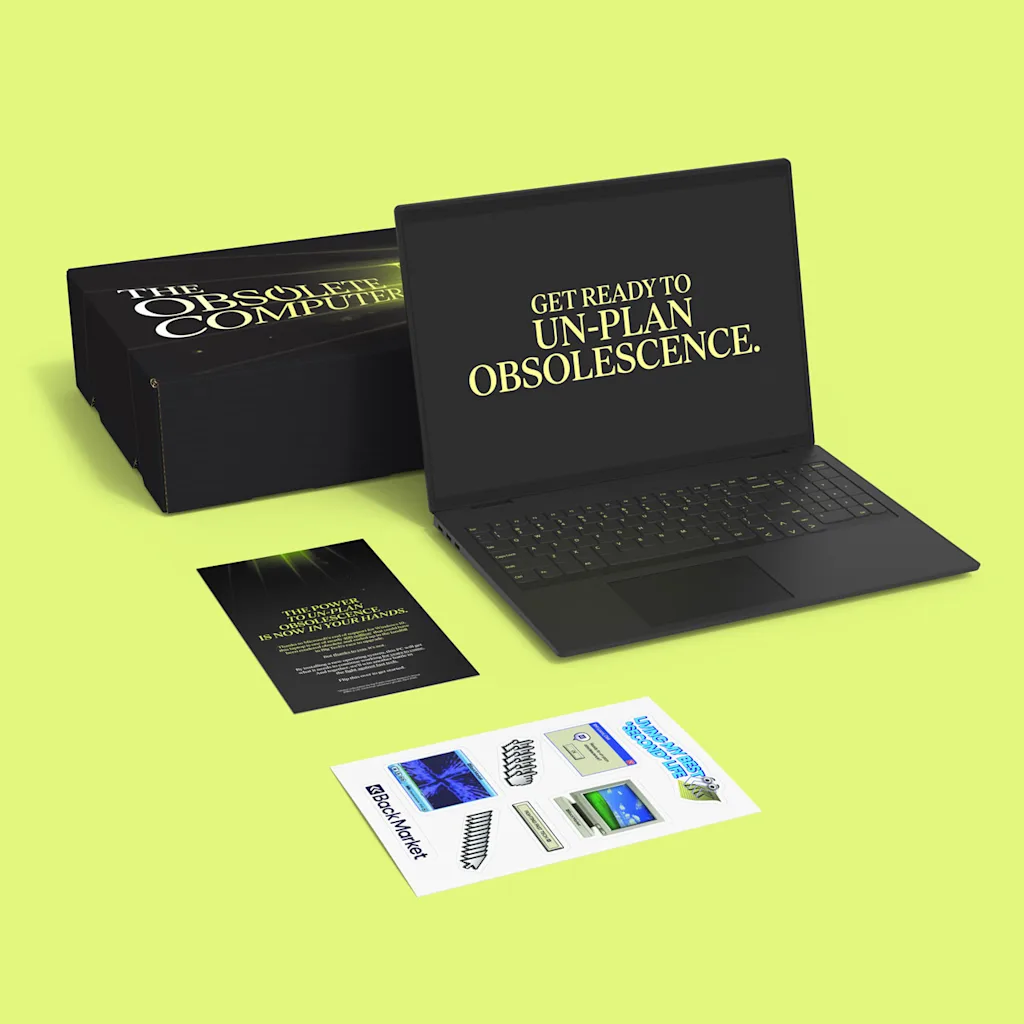
- The €99 Catalyst: Their headline-grabbing move is a limited run (about 50 units) of specific HP EliteBook 840 G3 and Lenovo ThinkPad T460/T470 models, pre-loaded with Google’s Chrome OS Flex operating system, selling for just €99. The same models with Windows 10 intact often fetch at least double that price on platforms like Amazon. While openly a marketing stunt, it powerfully demonstrates the concept and the value proposition: affordable, functional computing without Windows.
- Building an “Obsolete” Category: Beyond the stunt, Back Market is committed to making this a permanent fixture. By the end of 2024, they plan to launch a dedicated “Obsolete” section within their online marketplace. This section will feature refurbished laptops incapable of running Windows 11 but given a new lease on life with lightweight, secure operating systems:
- Chrome OS Flex: A free, cloud-centric OS developed by Google, designed to run well on older hardware. Ideal for users who primarily use web applications (Gmail, Docs, YouTube, browsing).
- Ubuntu Linux: A popular, free, and open-source Linux distribution known for its security, stability, and growing user-friendliness. Offers more desktop functionality than Chrome OS Flex for tasks like office productivity (LibreOffice) and supports a wider range of software, though often requiring more technical familiarity.
The Practical Mechanics: Simplicity is Key
Back Market’s strategy hinges on integrating this concept smoothly into their existing refurbishment pipeline and educating consumers.
- Refurbisher Integration: Currently partnering with one refurbisher, Back Market aims to expand as demand grows. Crucially, they argue the process is inherently low-friction for refurbishers: “What matters for refurbishers and for sellers is the complexity of the process, and here we believe it’s minimal,” Durr states. Since refurbishers already perform factory resets and OS reinstalls, swapping Windows for Chrome OS Flex or Ubuntu adds little burden. Both are freely available for installation.
- Pricing & Scalability: The €99 price point is promotional. Future pricing will depend on model availability and refurbisher costs, but Durr assures “obsolete models will always sell at a significant discount” compared to Windows-refurbished or new machines.
- User Empowerment & Trust: Recognizing that converting an OS can be daunting for average users, Back Market plans to offer video tutorials. Their core message: “The right laptop, the right device, is the one that you already have. With this obsolete computer program—and category—you are going to be able to keep it.” They are building trust that these revived machines are viable: “What we’re doing here is making sure there is the condition for the demand to exist, so that people will actually trust that these obsolete computers will work.”
- Circular Economy Loop: Back Market envisions a closed-loop system. If a user decides they still need a newer machine, the company will connect them with refurbishers interested in buying their old TPM-less laptop, ensuring it re-enters the “Obsolete” stream for transformation and resale.
Hurdles and the Future Landscape
The initiative is promising but faces challenges. Convincing mainstream consumers comfortable with Windows to switch to Linux or Chrome OS requires significant education and showcasing tangible benefits (affordability, simplicity, security). Scalability relies on securing extensive inventory and partner refurbishers willing to dedicate resources to these “obsolete” models. Market demand beyond the niche of tech enthusiasts and sustainability advocates remains unproven.
Comparison of OS Options for “Obsolete” PCs
| Feature | Windows 10 (EOL) | Chrome OS Flex | Ubuntu Linux (e.g., LTS) |
| :————— | :———————— | :————————– | :————————– |
| Security | Extremely Risky (Post-EOL) | High Security (Sandboxed, Auto-Updates) | Highly Secure (Robust permissions, Open Source) |
| Hardware Demands | Medium-High (Requires specific HW for Win11) | Very Low | Low-Moderate |
| Software Compatibility | Broadest (Native Applications) | Web Apps / Limited Linux/Android | Broad (Linux Apps) / Some Windows via Wine |
| Ease of Use | Familiar | Simple, Chromebook-like | Varies, Requires Learning |
| Cost | N/A (Requires HW upgrade) | FREE | FREE |
| Best For | Not Recommended Post-EOL | Basic Tasks, Web, Students | Tinkerers, General Computing |
- *Windows 10 will become increasingly vulnerable without security updates. Windows apps require compatibility layer (Wine) and may not work perfectly.
A Choice Beyond the Landfill
The looming Windows 10 end of support presents a stark reality: millions of computers are about to become digital pariahs. While Microsoft drives the upgrade cycle, Back Market’s “Obsolete” category offers a compelling alternative path. It’s a model based on resourcefulness, environmental responsibility, and challenging the notion that software dictates hardware lifespan. Converting machines to efficient operating systems like Chrome OS Flex or Ubuntu Linux isn’t just tech recycling; it’s tech resurrection. While hurdles of user acceptance and scale exist, the potential to divert hundreds of millions of devices from landfills makes this more than a niche experiment – it’s a vital step towards a more sustainable future for consumer electronics. Have you considered what OS could extend the life of your aging machine? Share your thoughts and plans below!


