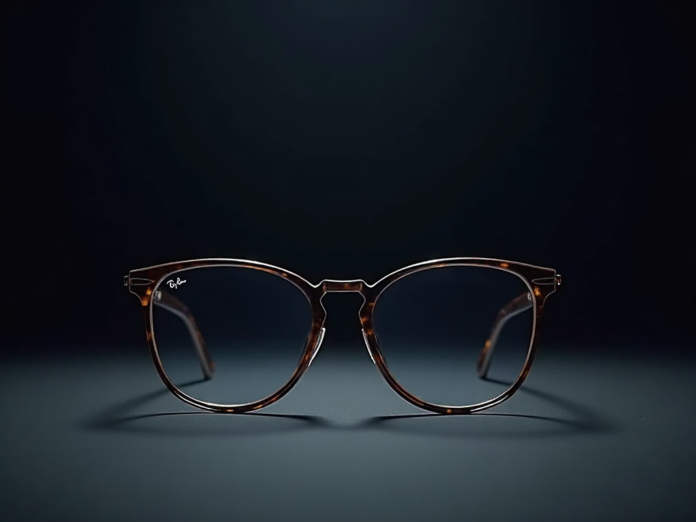

Meta Eyes the Optical Market with New Prescription Ray-Bans
Meta is preparing to expand its wearable ecosystem by targeting the massive world of corrective eyewear. According to recent FCC filings, two new smart glass models—internally dubbed Scriber and Blazer—are expected to hit the market as early as next week. While the tech world often chases the next hardware breakthrough, these devices represent something different: a strategic move toward mainstream distribution.
Focusing on Reach Over Innovation
On a technical level, Scriber and Blazer aren’t reinventing the wheel. They function similarly to the existing Ray-Ban Meta lineup, featuring integrated speakers, microphones, cameras, and Meta AI, but notably no built-in display. The primary upgrades are subtle, such as the addition of Wi-Fi 6 UNII-4 band support for better connectivity and a variety of charging case options.
Blazer will likely offer a range of sizes to fit more face shapes, whereas Scriber appears to be a more standardized, single-size offering.
The Billion-User Opportunity
So, why launch hardware that doesn’t offer a “leap” in technology? The answer lies in the numbers. Prescription lenses make up roughly 69 percent of the global $223 billion eyewear market. While Meta has already moved millions of AI frames, that volume is tiny compared to the 1.5 billion people globally who rely on corrective lenses every day.
By streamlining the process for prescription wearers, Meta is shifting its smart glasses from a niche “gadget” category into the mainstream optical retail space. This allows the company to tap into existing optometrist networks and higher profit margins associated with medical eyewear.
Where This Fits in the Ecosystem
These new models are designed for the everyday user, contrasting sharply with Meta’s high-end ambitions. For those wanting a true augmented reality experience, Meta already has the Ray-Ban Meta View, which features a full-color heads-up display and neural wristband integration for $799. Scriber and Blazer are not meant to compete with those prototypes; they are meant to get AI on as many faces as possible.


