
The Unsung Hero of Our Food Crisis: Can This Beige Powder Save the Planet?
Hook: What if I told you a simple beige powder, made in under 24 hours using microscopic organisms feasting on farm waste, could slash the environmental footprint of your protein by 99%? Sounds like science fiction, yet microbial protein – a revolutionary alternative protein source – is already powering pet snacks and eyeing your dinner plate.
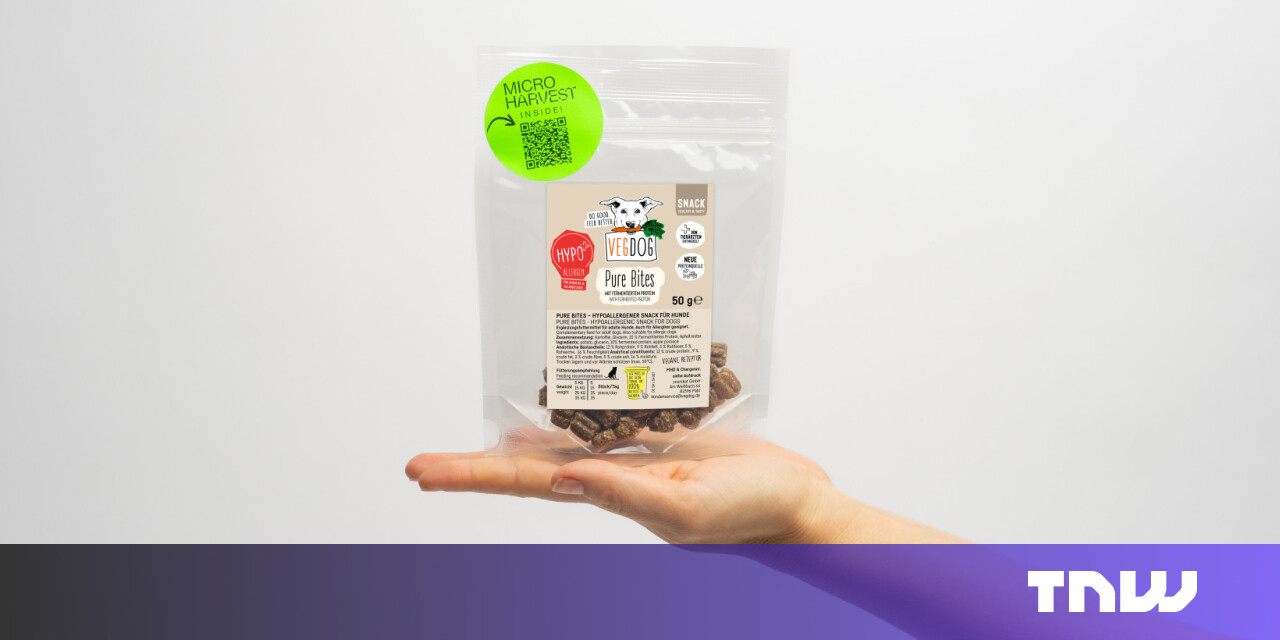
Introduction: In an era defined by climate crisis and unsustainable meat production, innovative food solutions are non-negotiable. At the heart of this revolution is microbial protein, an unassuming yet nutritionally potent powder created through microbial fermentation. Companies like Hamburg and Lisbon-based MicroHarvest harness bacteria to convert agricultural residue into protein-rich flour packing 60% raw protein, amino acids, and fiber. While currently debuted in dog treats via a partnership with VegDog, its ambitions stretch far beyond – targeting human shakes, bars, and even ice cream. This microbe-powered approach promises radical efficiency compared to traditional livestock or crops, positioning microbial protein as a critical player in mitigating food system impacts.
What Exactly is Microbial Protein and How is it Made?
Microbial protein production relies on rapid fermentation, leveraging natural microorganisms as tiny protein factories. MicroHarvest’s process illustrates this brilliantly:
- Feedstock: Agricultural waste streams (e.g., leftover sugars from crop processing) are sourced.
- Fermentation: Billions of microbes are added to bioreactors (steel vats) where they consume sugars, multiplying exponentially in a nutrient-rich “soup” within hours.
- Harvest: Microbes are “inactivated” (a gentler term for killing) and dried, yielding a beige, Marmite-scented powder.
Key Advantages:
- Speed: Completed in <24 hours vs. months/years for livestock or crops.
- Efficiency: Microbes convert feed into protein with up to 2-5x greater efficiency than chickens or cows.
- Resource-Light: Operates in compact bioreactors, decoupled from arable land scarcity.
The Stark Environmental Math: Microbial Protein vs. Traditional Sources
The sustainability benefits of fermented protein are staggering, particularly against resource-intensive beef:
| Impact Metric | Microbial Protein | Soy Protein | Beef |
|---|---|---|---|
| Land Use | ~1% of beef | 6-10x Less | Baseline |
| CO2 Emissions | ~70% Reduction | ~50% Reduction | Baseline |
| Water Footprint | Minimal (Closed Loop) | High | Extreme |
| Production Time | Hours | Months | Years |
Source: Comparative analysis based on MicroHarvest data & Nature study.
A landmark 2022 Nature study underscored that replacing just 20% of global beef consumption with fermentation-based proteins could halve deforestation rates by 2050. This is critical as livestock farming devours 77% of agricultural land for just 18% of global calories. Bioreactors can also be deployed anywhere with agricultural activity – think repurposed factories or abattoirs – slashing transportation emissions.
Fermentation’s Rising Tide: Players, Funding & Policy Push
Microbial protein innovation is exploding globally. Europe leads with firms like:
- Germany’s Formo: Precision-fermented dairy alternatives.
- UK’s Enough Food: Scaling fungi-based meats and fillets.
- Netherlands’ Meatable: Cultivated meat via fermentation tech.
Corporate giants (Nestlé, Unilever) are piloting partnerships, signaling industry confidence. Financially, nearly $1 billion flowed into fermentation alt-protein startups globally in 2023, per Dealroom. Europe captured close to half of this investment, with 2024 setting record funding highs on the continent.
Policy tailwinds amplify this: The EU launched a €350 million initiative in 2024 explicitly targeting fermentation scale-up to combat meat dependency. Singapore pioneers regulation, while Europe’s EFSA (European Food Safety Authority) evaluations lag – though new Novel Food guidance may accelerate approvals.
Roadblocks: Regulation, Cost, and the Ick Factor
Despite promise, three hurdles loom large:
- Regulatory Walls: Gaining approval for human consumption is slow and opaque. MicroHarvest submitted its EFSA dossier, but predecessors like Meatable (founded 2018) still await EU approval, pivoting to Singapore.
- Cost Challenges: Industrial-scale bioreactors demand massive CAPEX. Current microbial protein costs are ~$5-$15/kg – competing requires subsidies or scaled production.
- Consumer Hesitation: Overcoming the “eating bacteria” stigma requires savvy framing. Comparisons to familiar fermented foods (yogurt, kimchi) help – MicroHarvest positions its product as a supplement, not a steak replacement. Food culture wars further complicate uptake.
Pet Food: The Stepping Stone to Human Adoption
Smart companies are sidestepping human regulatory hell by targeting the $120+ billion pet food market. MicroHarvest partnered with VegDog for microbial protein pet snacks because:
- Lower Regulatory Barriers: Pet feed approval is faster than for humans.
- Supply Shortages: Conventional pet/fish feed can’t meet surging demand.
- Lucrative Bridge: Pet nutrition funds R&D scale-up toward human foods.
Aquaculture presents a parallel opportunity. With global fish feed demand projected to exceed wild-caught supplies, microbial protein offers a sustainable alternative to resource-heavy fishmeal.
What’s Next? MicroHarvest’s Growth & Industry Horizons
MicroHarvest exemplifies scaling ambition: Currently operating at 375 tonnes/year, its next plant (target: 2027) aims for 15,000 tonnes/year – a 40x increase. While the location is undisclosed, Portugal’s biotech talent pool (via universities like Universidade Nova de Lisboa) influenced its pilot plant locale.
Wider Industry Potential: If cost curves drop and regulators cooperate, microbial proteins could disrupt:
- Emergency food aid: Rapid, portable nutrition deployment.
- Space missions: Compact protein generation for Mars colonization.
- Circular economies: Converting city food waste into proteins locally.
Conclusion: A Measured Revolution in Progress
Microbial protein presents a paradigm shift: converting agri-waste into hyper-efficient, nutrient-dense food within hours. Its benefits – 99% less land use, >70% lower emissions, drought resilience – are scientifically compelling. However, winning consumer hearts and navigating regulations remain critical challenges. Startups like MicroHarvest’s phased strategy, scaling through pet foods while pushing for human approval, offers a pragmatic blueprint.
With record funding and EU policy backing, fermentation-based proteins are no lab-only pipe dream. They represent a scalable tool against climate change and food insecurity. But success hinges on collaborative effort – scientists streamlining yields, governments accelerating approvals, and consumers embracing the microscopic future of food. Could microbes hold the key to feeding 10 billion sustainably? Share your thoughts in the comments!
LSI Keywords Used: Alternative protein, fermentation, sustainable food, bioreactor, bacterial protein, food innovation, protein powder, agri-waste, nutritional supplement, feed efficiency, fermentation technology, alt-protein funding, protein transition, sustainable nutrition.
Sources & Further Reading:
Original article at thenextweb.com


