
Is Linux 6.18 the LTS Kernel You’ve Been Waiting For?
With each new kernel release, the Linux community eagerly anticipates improvements, bug fixes, and new features. But what about long-term stability and support? The upcoming Linux 6.18 release is shaping up to be this year’s Long Term Support (LTS) kernel, a crucial designation for users and organizations prioritizing reliability and extended maintenance. This article dives deep into the latest developments surrounding Linux 6.18-rc3, examining its key changes, bug fixes, and what it means for the future of Linux.
Diving into Linux 6.18-rc3: A Closer Look
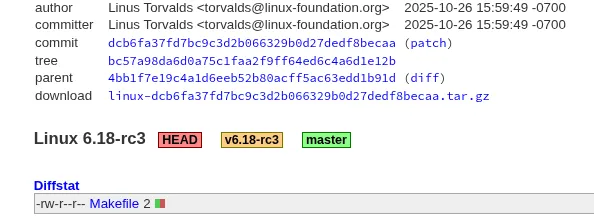
The release candidate 3 (rc3) of the Linux 6.18 kernel is now available for testing, bringing us one step closer to the final stable release expected within the next month. As the designated LTS kernel, Linux 6.18 holds significant weight, promising extended support and stability for years to come. Linus Torvalds himself described the development cycle as “fairly normal” in his v6.18-rc3 announcement, noting a potentially calmer pace compared to previous releases. But what exactly is packed into this release candidate? Let’s explore the key highlights.
Key Bug and Regression Fixes in Linux 6.18-rc3
One of the primary focuses of any release candidate is addressing bugs and regressions identified during the development process. Linux 6.18-rc3 is no exception, incorporating a variety of fixes aimed at improving overall system stability and performance. Some notable fixes include:
-
EROFS Driver Hardening: The Extremely Read-Only File System (EROFS) driver has been hardened against specifically crafted images that could potentially lead to infinite loops or even system crashes. This is a critical security improvement, preventing malicious or corrupted images from destabilizing the system.
-
Intel Chromebook Performance Regression Fix: A significant performance regression affecting some Intel-powered Chromebooks has been addressed. This fix promises to improve both performance and power efficiency for affected devices, leading to a smoother user experience and extended battery life. This is particularly important for Chromebook users who rely on their devices for daily tasks.
New Hardware Support and Device ID Additions
Beyond bug fixes, Linux 6.18-rc3 also introduces support for new hardware. Notably, AWCC (Alienware Command Center) profile support has been added for the Dell G15 5530 laptop. This is a relatively straightforward device ID addition, but it ensures that Linux users can properly manage and configure their Dell G15 5530’s fan speeds, lighting, and other system settings through the AWCC software. This kind of incremental hardware support is crucial for ensuring that Linux remains compatible with a wide range of devices.
Understanding the Significance of an LTS Kernel
The Long Term Support (LTS) designation is a crucial factor for many Linux users. LTS kernels receive security updates and bug fixes for a significantly longer period than standard kernels. This extended support lifespan makes LTS kernels ideal for:
-
Enterprise Environments: Businesses often prioritize stability and reliability over the latest features. LTS kernels provide a predictable and well-supported foundation for mission-critical systems.
-
Embedded Systems: Devices like routers, industrial controllers, and other embedded systems often require a stable and long-lasting operating system. LTS kernels offer a cost-effective solution by reducing the need for frequent upgrades and re-certification.
-
Users Seeking Stability: Individuals who prefer a more conservative approach to software updates often opt for LTS kernels. They provide a balance between functionality and long-term reliability.
Linux 6.18: A Driver-Centric Update?
According to Linus Torvalds’ announcement, approximately half of the patches included in Linux 6.18-rc3 relate to drivers, including device tree bindings. This suggests a strong emphasis on improving hardware support and compatibility. Device drivers are essential for enabling communication between the operating system and hardware components. The inclusion of numerous driver updates indicates a focus on expanding Linux’s hardware ecosystem and ensuring proper functionality across a wider range of devices.
SMBDirect and XFS Fixes Highlighted
Torvalds specifically mentioned fixes related to SMBDirect (both client and server side) and XFS. These are significant improvements, particularly for users relying on network file sharing and the XFS file system.
-
SMBDirect: SMBDirect allows for direct memory access (DMA) over RDMA-capable network adapters, resulting in significantly faster file transfer speeds. Addressing bugs in SMBDirect improves network performance and reduces latency for applications that rely on network file sharing.
-
XFS: XFS is a high-performance journaling file system commonly used in enterprise environments. Fixing XFS-related issues enhances data integrity and system stability. These kinds of under-the-hood improvements are critical for reliable long-term system operation.
What to Expect from the Final Linux 6.18 Release
While Linux 6.18-rc3 provides a glimpse into the upcoming release, it’s important to remember that further changes and refinements are likely to occur before the final stable version is released. Developers will continue to identify and address bugs, optimize performance, and potentially add new features.
Here’s a table summarizing key aspects of Linux 6.18:
| Feature | Description | Importance |
|---|---|---|
| LTS Designation | Long Term Support, meaning extended security and bug fixes. | Crucial for enterprise environments, embedded systems, and users prioritizing stability. |
| Bug/Regression Fixes | Addresses identified issues to improve overall system stability and performance. | Essential for a reliable and secure operating system. |
| Hardware Support | Introduces support for new hardware components, like the Dell G15 5530’s AWCC profile. | Expands the range of compatible devices and ensures proper functionality across the Linux ecosystem. |
| Driver Updates | Focuses on improving device drivers to enable communication between the OS and hardware. | Ensures proper functionality and compatibility across a wider range of devices. |
| SMBDirect Fixes | Improves network performance and reduces latency for applications relying on network file sharing. | Reduces latency and improves file sharing for networked systems. |
Ultimately, the final Linux 6.18 release promises to be a robust and reliable kernel, particularly well-suited for environments where stability and long-term support are paramount. Users who value cutting-edge features may prefer to stick with more recent kernels, but those seeking a solid and dependable foundation will likely find Linux 6.18 to be an excellent choice.
Conclusion: Linux 6.18 – Stability and Long-Term Reliability
The Linux 6.18 kernel, poised to become this year’s Long Term Support release, is shaping up to be a significant milestone in the Linux ecosystem. With a focus on bug fixes, hardware support, and driver updates, Linux 6.18 promises to deliver a stable and reliable foundation for a wide range of applications and devices. The enhancements to EROFS, SMBDirect and XFS, along with specific performance boosts for hardware configurations make the new Kernel a strong consideration for a wide range of users. Whether you’re managing a critical enterprise server, developing an embedded system, or simply seeking a dependable operating system for your personal computer, Linux 6.18 is definitely worth considering.
What are your thoughts on the upcoming Linux 6.18 release? Are you planning to upgrade to the LTS kernel? Share your opinions and experiences in the comments below!
Sources & Further Reading:
Original article at www.phoronix.com


