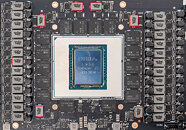

The Unavoidable Squeeze: Is the Golden Era of Affordable Gaming Officially Over?
Imagine spending over $5,000 for a single graphics card just to play the latest games at maximum settings. Unthinkable? According to explosive leaks from Korean outlet Newsis, NVIDIA’s flagship RTX 5090 could hit this staggering price by late 2026. This isn’t isolated hype—it’s a symptom of a deepening GPU affordability crisis reshaping gaming. With AI-driven demand and DDR5 memory shortages cascading into price surges across hardware, AMD and NVIDIA reportedly plan permanent GPU cost hikes starting January 2026. But this isn’t just about premium cards; memory costs alone could devour 80% of a GPU’s bill of materials (BOM) as DRAM prices skyrocket over 40% by mid-2026. The ripple effects threaten everything from PC builds to next-gen consoles, turning hardware upgrades into luxury pursuits. Let’s dissect why gaming stands on the brink of a financial cliff.
The AI Gold Rush: How Machine Learning Is Cannibalizing Gaming Hardware
The ferocious demand for AI-capable GPUs isn’t coincidental—it’s a strategic shift by chipmakers. NVIDIA’s data center revenue hit a record $47.5 billion in 2025 (up 34% YoY), dwarfing its gaming segment, while AMD’s MI300 AI chips garnered $4.3 billion in orders within 10 months. This pivot means gaming GPUs now compete with enterprise contracts for scarce silicon wafers. Analysts at Jon Peddie Research confirm fab allocations prioritize high-margin AI chips, squeezing gaming supply chains. Result? Scalpers sell recent RTX 4090s above $2,500 today—double MSRP. With AI’s expansion unstoppable, AMD and NVIDIA’s planned 2026 price jumps appear inevitable to sustain profitability amid shortages. Gamers, unfortunately, become collateral damage.
Memory Mayhem: Why DDR5 Costs Are Tanking GPU Budgets
At the heart of this crisis lies DRAM—specifically GDDR6/GDDR7 memory crucial for GPUs. Newsis reports DRAM now consumes up to 80% of a GPU’s BOM, with costs projected to leap 40% by Q2 2026. Three factors converge here:
- DDR5 Adoption Acceleration: PC sales report a 18% YoY surge as Intel/AMD phase out DDR4 platforms, spiking demand beyond supply.
- Manufacturing Bottlenecks: Major players like Samsung and Micron allocated factories to low-latency DDR5 AI chips, starving gaming suppliers.
- Panic Stockpiling: As ASUS ramps up DDR4 motherboard production to counter shortages, manufacturers hoard DRAM components, worsening scarcity.
The downstream impact is brutal: Higher VRAM cost = higher GPU prices across all tiers. Even mid-range cards like AMD’s RX 7700 XT could see $100-$150 price jumps.
DRAM Cost Projections vs. GPU Tier Impact
| DRAM Price Increase | Entry-Level GPUs ($50-$100) | Mid-Range GPUs ($250-$500) | Enthusiast GPUs ($500-$2,000) |
|---|---|---|---|
| Q1 2026: +15% | $60-$120 | $280-$550 | $550-$2,200 |
| Q2 2026: +40% | $70-$130 | $300-$650 | $650-$2,800 |
Estimates based on industry BOM averages and Newsis/IC Insights data
Beyond Graphics Cards: When GPU Inflation Infects Entire Ecosystems
The GPU affordability crisis isn’t siloed—it’s metastasizing. ASUS confirmed January 2026 price hikes across motherboards, laptops, and peripherals. Worse, DRAM instability delays product cycles: Intel’s Lunar Lake CPUs, Radeon RX 9000 GPUs, and possibly PlayStation 6/Xbox Next launches face postponement. Even gaming PCs grow costlier—custom builds using RTX 5000/RX 8000 cards could surge 50% in total cost. Consumers aren’t oblivious: Steam Survey data shows 42% of gamers still use GTX 1060/1650 series cards, avoiding upgrades entirely. As Tom’s Hardware notes, this “permafrost” effect throttles innovation, feeding a downward spiral with fewer new buyers funding R&D.
A Historical Perspective: How Today’s Crisis Dwarfs Past Pricing Shocks
Comparing modern hikes to historical trends underscores the anomaly. NVIDIA’s flagship GTX 680 launched at $499 in 2012 ($660 inflation-adjusted)—today’s RTX 4090 starts at $1,999. Across 14 years, that’s a 300% price-adjusted leap versus general electronics inflation. Why the divergence? Past shortages (like 2018’s cryptocurrency boom) were cyclical and temporary. Now, AI’s structural demand and permanent DDR5 reliance render corrections unlikely. Concurrently, Moore’s Law costs and Apple’s dominance over TSMC’s 3nm fabrication leave fewer resources for GPUs. As TechSpot reports, silicon wafer prices doubled since 2020, eliminating the “cheap computing” era.
Saving Gaming From Collapse: Potential Countermeasures Emerging
Despite grim forecasts, glimmers of adaptation emerge. Economists note manufacturers prioritizing DDR4 production (as ASUS is)—a familiar stopgap. Used markets are exploding: eBay reports RTX 3080 listings doubled YoY, averaging $280-$450. Cloud gaming adoption could offset hardware costs; NVIDIA GeForce Now subscriptions jumped 85% in Q3 2025. Chipmakers might also resurrect “cut-down” chips reallocating defective AI dies to gaming GPUs. However, ubiquitously affordable gaming requires systemic change: governments subsidizing niche semiconductor fabs and antitrust scrutiny of AI monopolies. Without intervention, gaming risks becoming inaccessible.
Navigating the Storm: Pragmatics for Budget-Conscious Gamers
If Newsis’ leaks materialize, strategizing now is essential. Prioritize GPU efficiency over peak power—think NVIDIA RTX 4060 Ti at 83 fps per dollar (versus RTX 4090’s 24). Delay buildups: DDR5 kits cost $92/TB QoQ decline post-holiday 2025. Monitor Microsoft’s rumored Xbox Game Pass PC expansions—cloud streaming mitigates hardware reliance. For upgraders, focus platforms: mid-tier CPUs like Ryzen 5 8600G thrive without discrete GPUs. Lastly, capitalize on trade-ins; Micro Center DRAM rebates grew 35% amid shortages. Agility remains your shield against inflation’s fangs.
The Path Forward: Bleak Prognosis or Market Correction Catalyst?
Ultimately, DDR5 shortages and AI demand form a perfect storm inevitably elevating gaming costs in 2026. AMD/NVIDIA’s price surges appear unavoidable profit taps amid constrained resources. Even optimistic forecasts—like IDC predicting DDR5 price declines by Q4 2026—won’t offset immediate pain. This crisis could consolidate PC gaming into a premium hobby while accelerating console adoption. Yet revolutions breed innovation: cheaper chiplet designs, advanced cooling lowering wattage demands, and ARM CPUs entering gaming rigs hint at resilience. For now, brace for impact—your next GPU upgrade might require rethinking entertainment budgets altogether. What compromises will you make to keep gaming? Debate your choices below!


