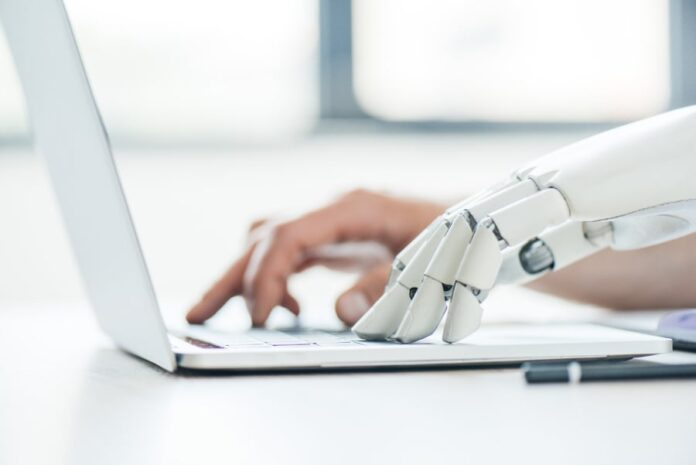

Australian employment lawyers are warning workers to exercise caution when using generative AI tools like ChatGPT to draft workplace claims, following a rise in submissions that appear to have been generated by artificial intelligence.
Legal experts report that some claims filed during employment disputes contain factual inaccuracies or fabricated legal references, raising serious concerns about the reliability of AI-generated documents in formal proceedings.
The issue has emerged in matters progressing through the Fair Work Commission, Australia’s national workplace relations tribunal, where lawyers say poorly constructed AI-assisted submissions can undermine otherwise legitimate cases.
As employees experiment with AI tools for drafting and research, some are turning to platforms like ChatGPT to prepare documents for HR processes or legal disputes. The trend underscores a broader shift in how generative AI is being used across workplaces, often without formal organisational oversight.
What this means for organisations
For technology leaders and employers, this episode highlights a growing concern around AI governance and responsible use in the workplace. While generative AI can speed up writing and data gathering, experts caution that these tools can still produce inaccurate or fabricated outputs if used without verification.
As generative AI becomes embedded in everyday workflows, companies are increasingly considering acceptable-use policies and training to guide how employees use AI tools for professional tasks. On a broader level, the issue reflects the rapid normalisation of generative AI in knowledge work. As adoption expands across the Asia-Pacific region, organisations are balancing the productivity benefits of AI with the need for clearer oversight of how these tools are used in professional contexts.


