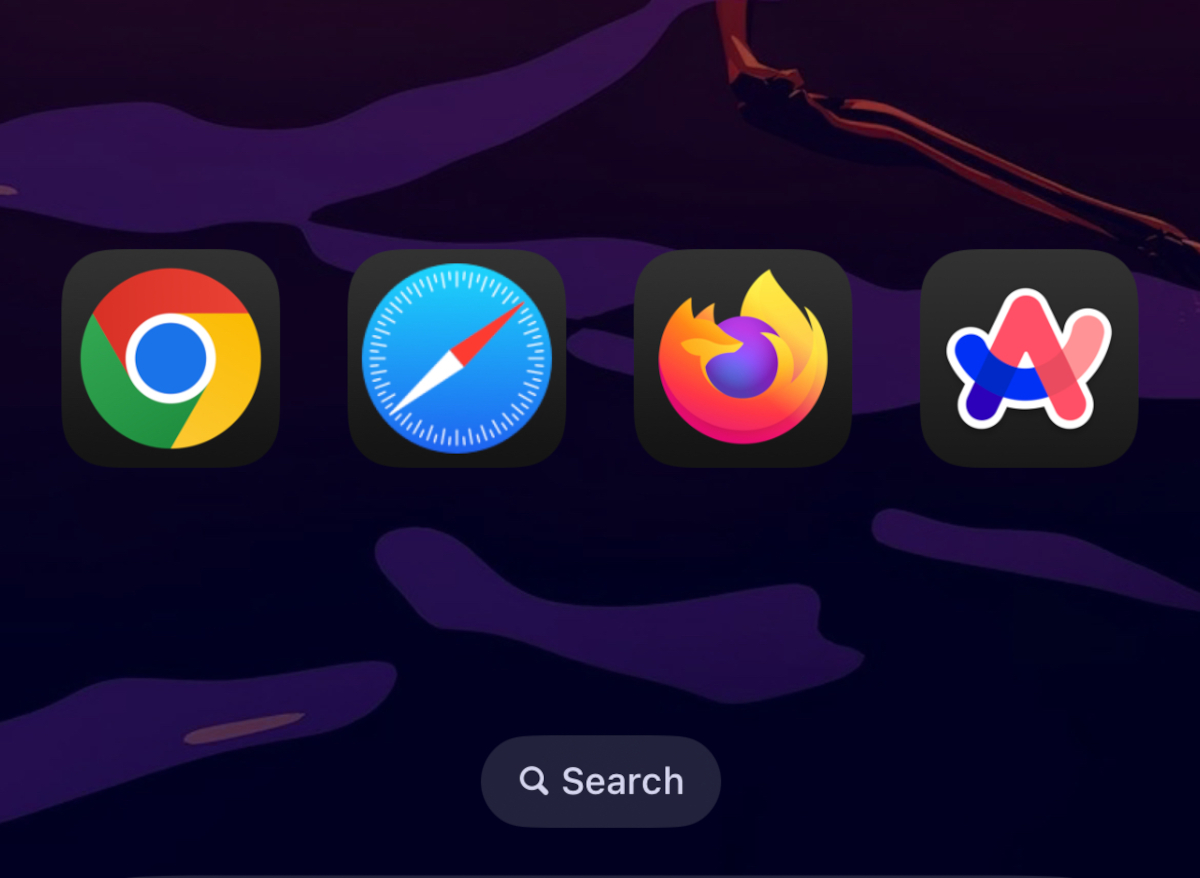

Will Japan Succeed Where the EU Stumbled? Forcing Apple to Open Up iPhone Browsers
Are we finally on the cusp of a truly open web experience on iPhones? For years, Apple has faced criticism for its control over the iPhone ecosystem, particularly its restrictions on third-party browser engines. While the EU has attempted to address these anti-competitive practices, Japan’s recent actions may prove to be the catalyst for real change. The country’s new Smartphone Act takes a stronger stance, potentially forcing Apple to allow genuine browser competition on iPhones. This move could reshape the mobile browsing landscape and offer users more choice than ever before.
Japan’s Bold Move: Leveling the Playing Field for iPhone Browsers
Apple’s dominance in the smartphone market is undeniable, and its commitment to delivering a consistent user experience is a key part of its success. However, this control has also been criticized for stifling innovation and limiting consumer choice, particularly regarding browser engines on iPhones. While users can download alternative browsers like Chrome or Firefox from the App Store, these browsers are fundamentally required to use Apple’s WebKit engine. This has led to concerns about a lack of genuine competition and potential limitations on performance and features. Now, Japan’s Smartphone Act is directly challenging this status quo.
The Core Issue: Apple’s WebKit Monopoly on iOS
At the heart of the issue is Apple’s insistence that all browsers on iOS use its WebKit rendering engine. This means that even if you download Chrome on your iPhone, it’s not truly Chrome in the same way it is on Android or a desktop. It’s Chrome skinned and operating within the confines of WebKit. This has several implications:
- Limited Innovation: Developers are unable to fully leverage the capabilities of alternative engines like Blink (used by Chrome) or Gecko (used by Firefox).
- Potential Performance Bottlenecks: WebKit may not always be the most efficient engine for all websites or web applications, potentially leading to slower loading times and reduced performance.
- Lack of Feature Parity: Certain features available in Chrome or Firefox on other platforms may not be possible on iOS due to WebKit limitations.
- Security Concerns: While WebKit is generally secure, a monoculture can make the entire iOS ecosystem more vulnerable to exploits targeting that specific engine.
EU’s Attempt and Apple’s “Malicious Compliance”
The European Union has also addressed Apple’s anti-competitive practices through the Digital Markets Act (DMA). The DMA mandates that gatekeepers, like Apple, allow interoperability and fair access to their platforms. While Apple has made some changes to comply with the DMA, critics argue that its implementation falls short of genuine openness. This “malicious compliance” involves technically allowing third-party browsers but imposing restrictions that make it difficult for them to compete effectively. For example, requirements around user consent and data collection can create friction and discourage users from switching browsers.
Japan’s Smartphone Act: A Stronger Stance
Japan’s approach, embodied in the new Smartphone Act, takes a more decisive stance. The Act directly prohibits Apple from:
- Imposing unreasonable technical restrictions on app providers adopting alternative browser engines.
- Placing excessive financial burdens on app providers for adopting alternative browser engines.
- Steering smartphone users away from using software incorporating alternative browser engines.
This language is significantly stronger than the EU’s regulations, as it explicitly prevents Apple from creating artificial barriers to competition. It demands not just technical compliance, but also a commitment to fostering a level playing field for all browsers on iOS. According to Open Web Advocacy (a group advocating for open web standards), this implies that Apple can’t simply offer a technical workaround while simultaneously making it difficult or undesirable for developers to use alternative engines. Open Web Advocacy is a great source for more information on this topic.
Why Japan’s Move Matters: A Significant Market for Apple
Japan is a crucial market for Apple. The country consistently sees strong iPhone sales, with over 15 million units sold annually. To put this in perspective, this figure approximates the entire population of Zimbabwe. This makes Japan a market that Apple cannot afford to ignore. Losing significant market share in Japan due to non-compliance with the Smartphone Act would be a substantial blow to Apple’s bottom line.
| Region | iPhone Market Share (Approximate) |
|---|---|
| United States | 50-60% |
| Europe | 25-35% |
| Japan | 50-60% |
Data from various market research reports. Actual figures may vary.
This table illustrates the significance of the Japanese market for Apple, showing that it has a similar high market share to its home market, the United States.
The Potential Impact of Open Browser Competition on iPhones
If Apple genuinely complies with Japan’s Smartphone Act, the implications for iPhone users and the broader web ecosystem could be significant.
Benefits for iPhone Users:
- Greater Choice: Users would have access to fully featured versions of their favorite browsers, with all the performance and features they expect.
- Improved Performance: Alternative browser engines like Blink may offer better performance for certain websites and web applications.
- Enhanced Security: Introducing engine diversity could make the iOS ecosystem more resilient to security threats.
- New Features and Innovation: Developers would be able to leverage the full potential of their chosen browser engine, leading to new features and innovation.
Benefits for Web Developers:
- Reduced Fragmentation: Developers would no longer need to optimize their websites specifically for WebKit on iOS.
- Greater Control: Developers would have more control over the rendering of their websites, allowing them to leverage the latest web standards and technologies.
- Improved Development Efficiency: Developers could use the same tools and workflows across all platforms, simplifying the development process.
Will Apple Comply?
The question now is whether Apple will genuinely comply with Japan’s regulations. Given the company’s history of resisting changes to its tightly controlled ecosystem, there’s reason to be skeptical. However, the explicit language of the Smartphone Act and the importance of the Japanese market may force Apple to take a different approach. The deadline for compliance is December, so we’ll soon see whether Apple is willing to truly open up the iPhone browser experience.
Conclusion: A Pivotal Moment for the iPhone and the Web
Japan’s actions represent a pivotal moment in the fight for a more open and competitive mobile web. While the EU’s efforts have faced challenges, Japan’s stricter regulations may finally force Apple to allow real browser competition on iPhones. This could lead to significant benefits for users, developers, and the web as a whole. The ball is firmly in Apple’s court, and the world is watching to see how they respond.
What do you think? Will Apple genuinely comply with Japan’s regulations? Share your thoughts in the comments below!
Sources & Further Reading:
Original article at www.techzim.co.zw


