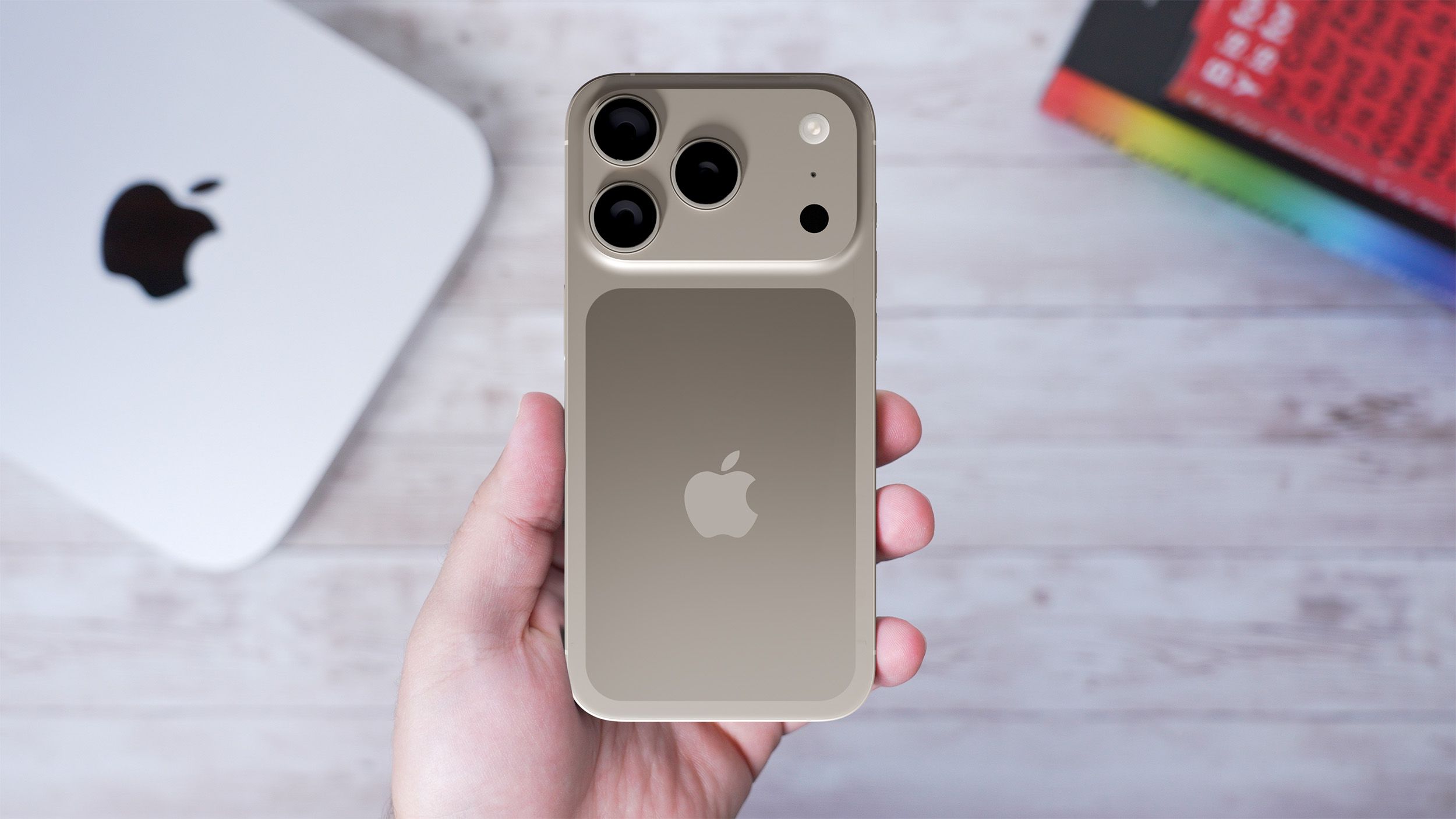

Inside Out: What Leaked iPhone 17 Pro Max Images Reveal About Apple’s Next Flagship
Ever wonder how a single leaked image can ignite a frenzy a month before Apple even whispers “one more thing”? This week, alleged internal design photos of the iPhone 17 Pro Max surfaced online, offering tech enthusiasts and analysts their most concrete glimpse yet into the highly anticipated device slated for an official unveiling in late September. While Apple’s fortress of secrecy remains legendary, persistent leaks like these significantly shape market expectations and reveal crucial advancements. Images shared by Naver blogger “yeux1122” reportedly showcase key internal components, including a new metal battery casing, distinct regional variations, and confirmation of the rumored substantial camera bump. Understanding these potential changes highlights Apple’s focus on thermal management, regional customization, and pushing the boundaries of mobile photography – all critical aspects for the 2024 flagship iPhone’s performance and appeal.
1. Dissipating Heat: The Rise of Metal Battery Casings
The leaked images heavily emphasize a significant shift in battery design for the iPhone 17 Pro Max: the adoption of a metal casing, replacing the black foil covers found on current standard models (iPhone 16, iPhone 16 Plus, iPhone 16 Pro Max). This isn’t entirely unprecedented – the iPhone 16 Pro already utilizes this feature – but its extension to the larger Pro Max model is noteworthy.
-
Purpose & Performance: The primary function of this metal casing is heat dissipation. Lithium-ion batteries generate heat during charging and high-demand usage. A metal cover acts as a much more efficient thermal conductor than polymer foils, spreading and radiating heat away from the battery pack more effectively. This directly addresses a key challenge in powerful smartphones – thermal throttling. By managing heat better, the A19 chip (or A18 Pro) inside the iPhone 17 Pro Max should be able to sustain peak performance for longer durations during intensive tasks like gaming, video editing, or AI processing. This aligns with documented thermal management challenges in high-performance smartphones, as discussed on platforms like Wikipedia (en.wikipedia.org/wiki/Smartphone_thermals).
-
Industry Trend: Apple isn’t alone; competitors increasingly use metal shields or graphite sheets to manage battery heat. However, Apple’s approach often sets trends and raises expectations for component longevity and sustained performance.
2. Regional Variations: eSIM Push Shapes Physical Design
A fascinating detail confirmed in the leak is the presence of two distinct physical battery designs for the iPhone 17 Pro/Max lineup:
- L-Shaped Battery: Intended for models sold in regions where physical SIM card trays are still prevalent.
- (Likely More) Rectangular Battery: Designed for models sold in regions, primarily the US, where Apple has been aggressively pushing eSIM-only configurations.
 Illustration (Conceptual): Comparison of potential battery shapes driven by SIM tray presence.
- Why Two Designs? The physical space requirements differ. The SIM tray mechanism necessitates an “L” cutout in the battery pack to fit around the hardware. In eSIM-only models, that space is freed up, allowing Apple to utilize a more space-efficient rectangular shape. This offers potential benefits:
- Slightly Larger Battery Capacity? While unconfirmed, removing the SIM tray footprint could theoretically allow for a marginally larger battery within the same chassis volume in eSIM models.
- Manufacturing Efficiency: Optimizing for different regional hardware reduces complexity at specific assembly lines.
- Global Strategy: This leak crystalizes Apple’s ongoing, regionally nuanced transition away from physical SIM cards. While markets like the US embrace eSIM rapidly, others still heavily rely on traditional SIMs. Apple’s approach pragmatically accommodates both, shaping the phone’s internal layout.
3. The Bulging Reality: A Substantial Camera Bump
If the leaked image holds true, iPhone 17 Pro Max users need to prepare for a significantly more prominent camera bump compared to any predecessor. This has been a widely circulated rumor, and the alleged chassis photo offers visual reinforcement.
- Driving Forces Behind the Growth: The increased size isn’t cosmetic. Multiple factors contribute to this expansion:
- Larger Camera Sensors: Rumors consistently point to major sensor upgrades across primary, ultrawide, and telephoto lenses to capture more light and improve low-light performance and detail.
- Advanced Optics: Bigger apertures and potentially enhanced optical zoom capabilities (e.g., moving from 5x to a rumored 6x periscope zoom) require larger lens structures.
- Spatial Video/AI Compute: Enhanced capabilities like higher-resolution Spatial Video capture and potential on-device AI processing for photography might require additional components or shielding occupying space near the camera array.
- Design Challenge: Integrating this larger module while maintaining aesthetics and structural integrity is a significant engineering effort. Previous leaks about an all-aluminum chassis with an integrated camera bump (contrasting with glued-on modules on the iPhone 16 Pro) align with this challenge, suggesting a more unified manufacturing process designed to support the larger hump securely and with potential thermal advantages.
| iPhone Camera Bump Progression | Notable Changes |
|---|---|
| iPhone 12 Pro Max | First significant bump with sensor-shift OIS |
| iPhone 13 Pro Max | Larger sensors, noticeable thickness increase |
| iPhone 14 Pro Max | Larger primary sensor, bump height increased |
| iPhone 15 Pro Max | Periscope telephoto introduced (5x zoom) |
| iPhone 16 Pro Max (Estimate) | Sensor refinement, tetraprism telephoto? |
| iPhone 17 Pro Max (Rumor) | Significant size increase for larger sensors, potential 6x zoom, spatial lens tech? |
4. A Nod to Repairability? Easier Battery Access
Another detail, reinforced by “yeux1122” and corroborated by leaker “Majin Bu,” involves the adhesive used on the newly metal-clad batteries. It appears Apple is continuing a repairability-focused change introduced with the base iPhone 16 models.
- Electrolysis Strikes Again: The reports indicate the iPhone 17 Pro and Pro Max batteries will utilize the same type of adhesive designed to be loosened by applying a low-voltage electrical current (around 9V) via specialty repair tools or even a simple 9V battery. This process, essentially electrolysis, breaks down the adhesive’s bond.
- Why It Matters: Traditionally, iPhone battery removal involved painstakingly prying the battery away from strong adhesive strips, risking damage to the battery or surrounding components (potentially causing dangerous punctures) if not done perfectly. The low-voltage method dramatically simplifies this procedure, making battery replacements significantly faster, safer, and more accessible to technicians. It’s a tangible step towards improving repair friendliness, aligning with global “Right to Repair” movements gaining traction, as documented by the FTC ([ftc.gov/news-events/events/2021/07/repair-restrictions-assessment-nixing-fix]).
- Balancing Act: This repairability improvement exists alongside a highly integrated design. While the battery removal may be safer, repairing other internal components remains technically challenging due to Apple’s design philosophy and component bonding.
5. Inside The Frame: MagSafe, Port, & Rumored All-Aluminum Body
Beyond the headliners, the leaked image reportedly offers secondary confirmations:
- MagSafe Positioning: The location of the MagSafe charging coil magnets confirms continuity. Expect a similar high-power MagSafe charging experience (around 15W) and a thriving ecosystem of compatible accessories.
- USB-C Port: The charging port’s presence is noted, confirming Apple will retain USB-C following the iPhone 15 series switch. Ongoing EU regulations solidify USB-C’s permanence for charging ports in mobile devices sold in Europe (Directive (EU) 2022/2380), effectively making it the global standard for Apple.
Additionally, connecting this leak to previous reporting:
- Milled Aluminum Chassis: Reports from “Majin Bu” and others suggest the iPhone 17 Pro series might feature a milled all-aluminum chassis that integrates the camera bump. This contrasts with the current design where the rear glass panel includes the camera module attached to it. An all-metal frame (aside from the front glass/screen) could potentially offer:
- Improved structural rigidity.
- Enhanced heat conduction away from internal components.
- A potentially more durable back surface, though this would likely necessitate larger antenna lines for signal transmission.
6. Credibility & Context: Leaks Amidst Apple’s Rumormill
It’s crucial to frame these leaks appropriately:
- Source Reality: “yeux1122” is an established aggregator on Naver, known for compiling Apple rumors. They are likely not the originator of these specific images, and provenance remains unclear. While credible in sharing accurate information at times, leaks by nature carry uncertainty.
- Reinforcement, Not Revelation: The prevailing sentiment among analysts (like Ming-Chi Kuo echoed in tweets) and reports on MacRumors is that this leak aligns perfectly with existing rumors but doesn’t introduce fundamentally new information. It visualizes what has been speculated for months: larger cameras, metal battery covers, regional variations. This alignment boosts confidence in those prior rumors but awaits official confirmation.
- The Bigger Picture: These details slot into Apple’s broader Autumn roadmap. Leaks from earlier this week revealed hardware IDs in software code pointing to a new HomePod Mini and Apple TV with A17 Pro chip. Pricing rumors suggest an iPhone 17 Pro starting price of $1,049 for a base 256GB model. Simultaneously, iOS 18 tweaks continue in beta, and the new Apple Watch Ultra 3 is rumored for satellite connectivity.
- Official Launch Imminent: With Apple events historically occurring in mid-September, the launch is now less than a month away. This proximity makes these detailed leaks particularly impactful, setting concrete expectations for consumers just before the official reveal.
Conclusion
The leaked iPhone 17 Pro Max images, if authentic, paint a compelling picture of Apple’s evolutionary yet substantial upgrades for its top-tier 2024 smartphone. The move to universal metal battery casings underscores a critical focus on thermal management to sustain the power demanded by advanced chipsets and sophisticated imaging systems. The existence of two distinct battery shapes hard confirms Apple’s strategy to accommodate both physical SIM and eSIM-only markets physically. The substantial camera bump visually corroborates relentless rumors about significant photographic enhancements. The continuation of easier battery removal adhesive technology represents a small but meaningful victory for repairability advocates. Ultimately, while the leak may not spring major surprises, it consolidates months of speculation into an internally consistent projection: an iPhone 17 Pro Max engineered for powerful performance, advanced photography, and tailored to global market nuances. With the official reveal just weeks away, the evidence now strongly points towards substantial internal refinements shaping the outward experience of Apple’s next flagship. Which rumored iPhone 17 Pro Max feature – the larger cameras, enhanced cooling, regional model differences, or easier repairs – excites you the most? Share your thoughts below! 🍏🔋📱
Sources & Further Reading:
Original article at www.macrumors.com


