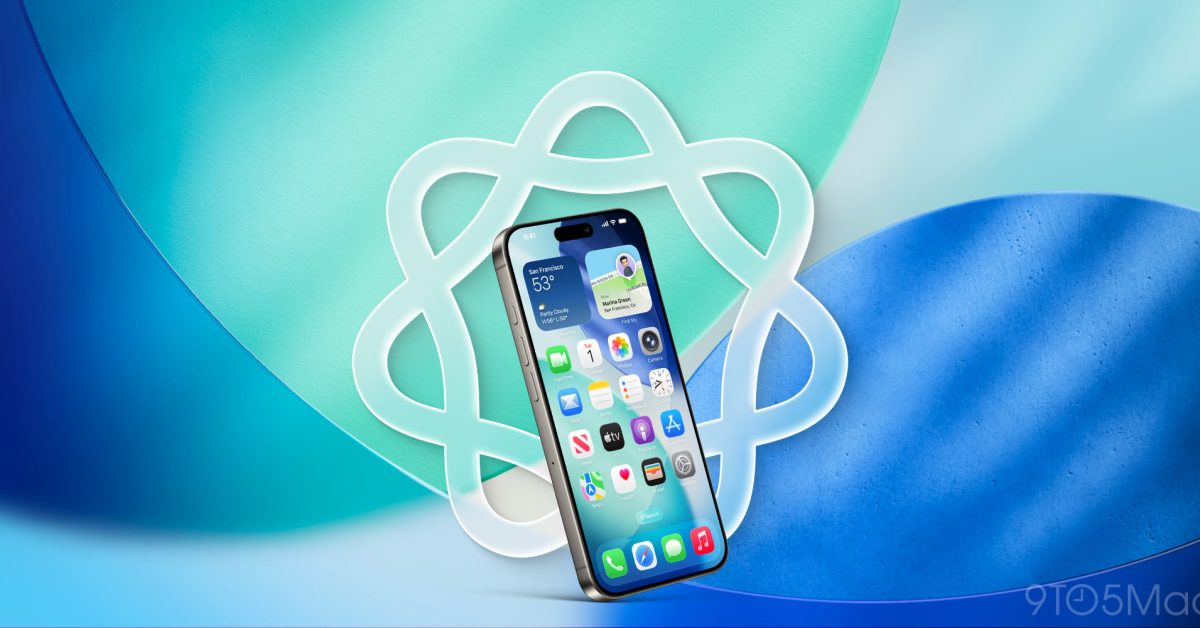

Unlocking Genius: Inside the iOS 26 Revolution with Apple Intelligence
(Introduction – Approx. 130 words)
Does your smartphone truly feel like a personal assistant, or is it just a device you manage? While the tech world buzzes about flashy AI features raising privacy concerns and taxing processing power, Apple Intelligence took a distinct path with iOS 15, prioritizing on-device processing and user privacy. Now, iOS 26 is set to deliver its most significant artificial intelligence leap yet. Forget the disappointing absence of the promised Siri overhaul for now. Instead, prepare for over 20 brand-new Apple Intelligence features landing this fall, designed to weave AI deeper into the fabric of everyday tasks across communication, apps, creativity, and productivity – intelligently and securely. This massive expansion solidifies Apple Intelligence as the defining layer reshaping the iOS experience, focusing on tangible utility while remaining steadfastly private. What exactly makes this update so transformative?
(Body – Approx. 850 words)
A Sharper Focus on Seamless Connection (Communication Enhancements)
Apple Intelligence in iOS 26 significantly amps up its capabilities within the core apps we use to connect with others. This isn’t about gimmicks; it’s about making interactions smoother, clearer, and more efficient.
- Smarter Messages (Beyond Siri): While Siri might not get its headline upgrade, the Messages app itself becomes more intuitive. Expect features leveraging AI to help summarize sprawling group chats, suggest relevant quick replies drawn from message context, and potentially refine drafting with enhanced Writing Tools integration.
- Polished Call Experience: AI subtly improves Phone and FaceTime calls. Background noise cancellation becomes more adaptive and effective, even in challenging environments. Speech clarity could be enhanced in real-time, ensuring crucial parts of conversations aren’t lost. Visual intelligence might also play a role in improving FaceTime video quality under specific conditions.
These changes target the core frustration of miscommunication. By making clarity and comprehension the default, Apple Intelligence reduces cognitive load during conversations, whether text-based or real-time. According to studies on communication efficiency, reducing friction in interactions can significantly improve understanding and reduce errors in both personal and professional contexts.
- Enhanced noise cancellation & speech clarity in calls
- Context-aware reply suggestions & smart summarization in Messages
- Smoother communication flow across the ecosystem
Expanding Intelligence: Reach and Reachability (App Integration & Language Growth)
A truly smart ecosystem doesn’t operate in silos. iOS 26 sees Apple Intelligence branching out significantly, empowering both built-in and third-party apps with its capabilities and extending its global accessibility.
- Apple Maps Gets a Cognitive Boost: The new AI-powered search fundamentally changes navigation. Instead of just recognizing exact names or addresses, Maps understands intent and context. Asking “dog-friendly parks near me with shade” or “late-night coffee shops open now” yields accurate, relevant results drawn from vast datasets – a move aligning with advancements seen in semantic search technologies underpinning the modern web.
- System-Wide Smarts:
- Intelligent Autocategorization: Dumping items into Reminders becomes effortless. Create a simple list (“Milk, eggs, call vet, research flights”), and Apple Intelligence instantly organizes it into logical categories (Groceries, Tasks, Travel), instantly imposing order on potential chaos.
- Proactive Reminder Creation: See a flight confirmation in Mail? Reading a delivery time on a website? AI will proactively suggest creating a relevant reminder based on the detected content, acting like a built-in personal assistant.
- Wallet Order Tracking Nirvana: Eliminate the inbox hunt. Apple Intelligence scans your Mail app specifically for order tracking information (including notoriously cluttered Amazon confirmations) and surfaces it directly within the Wallet app for one-tap tracking.
- Unlocking Third-Party Innovation: Crucially, the new “AI Models for Third-Party Apps” allows developers to integrate Apple’s powerful Foundation Models and tools directly into their own applications. This could enable anything from sophisticated content analysis and summarization within news apps to smart photo organization in gallery apps – all running with Apple’s signature privacy focus. Apple’s Core ML framework already provides powerful on-device ML capabilities (Source: Apple Developer Documentation on Core ML), and this expands access to their latest AI models. This democratization empowers developers to innovate securely.
- Breaking Language Barriers: Inclusion gets a major boost with eight new languages supported: Danish, Dutch, Norwegian, Portuguese (Portugal), Swedish, Turkish, Chinese (Traditional), and Vietnamese. This directly addresses the global user base, ensuring a broader population can access and benefit from Apple Intelligence’s core features like Writing Tools and translation, removing a significant accessibility barrier.
| Apple Intelligence iOS 26: App & Language Expansion Highlights |
|---|
| Feature Area |
| :———————- |
| Maps AI Search |
| Smart Reminders Categorization |
| Proactive Reminders |
| Wallet Order Tracking |
| Third-Party AI |
| New Languages Added |
This expansion signifies Apple Intelligence maturing beyond core apps, becoming a foundational service woven into the OS and made available globally.
Creativity Unleashed: Next-Gen Image Crafting
Apple’s playful image creation tools, Genmoji and Image Playground, are receiving substantial upgrades, pushing the boundaries of on-device generative AI.
- Genmoji Evolution: Expect more nuanced customization, better understanding of complex requests (“Genmoji of a robot cat reading Shakespeare underwater”), and potentially the ability to incorporate user-provided elements or reference images more intelligently. The goal is more expressive and unique personal avatars for messages and profiles.
- Image Playground Plus: Anticipate improvements in image resolution, finer-grained control over styles and parameters, and enhanced context understanding. The ability to generate images directly integrated into more apps (leveraging Writing Tools’ ‘Create Image’ feature), streamlines workflows for social media posts or creative projects within Notes or Pages. Apple’s research in areas like neural architecture search (Source: Apple Machine Learning Research page) contributes to making these powerful models efficient enough for mobile devices.
These upgrades make AI-powered visual creation faster, more capable, and more integrated, empowering users to iterate rapidly on visual ideas without needing cloud-dependent platforms with potential privacy risks.
The Essential Toolkit: Power, Vision & Awareness (Miscellaneous Upgrades)
Rounding out the update are critical enhancements focused on device intelligence, visuals, and managing information flow:
- Smarter Battery Intelligence: Building on existing adaptive charging, a new dedicated battery mode leverages AI to predict usage patterns even more precisely. It optimizes charging cycles and background activity for extended lifespan and intelligently manages power output during intense tasks to maximize runtime or reduce heat. This proactive management directly addresses long-term device health, a key user concern.
- Advanced Visual Intelligence: Expect deeper integration and capability in Visual Look Up and features like isolating subjects in photos. This lays groundwork for richer object interaction within the Photos app and beyond, potentially enabling actions inspired by background elements identified in images.
- Comprehensive Notification Intelligence: Building upon Focus modes and summarization, AI will better prioritize and group alerts. Summaries become more contextual, potentially grouping notifications by project, person, or relevance rather than just app, significantly combating notification fatigue.
- watchOS Synergy: Several new Apple Intelligence features planned for watchOS 26 will require the processing power of the paired iPhone running iOS 26. Think smarter workout analyses, context-aware complications, enhanced alerts, or sophisticated Siri requests initiated on the watch but executed on the phone. This blurs the lines, making both devices smarter together.
The Compatibility Equation: Accessing the AI Future
Apple Intelligence launched with stringent hardware requirements due to the significant processing demands of on-device AI. iOS 26 maintains this boundary, prioritizing optimal performance and security on Neural Engine-equipped chips.
- The (Unchanged) Verdict: If your iPhone ran Apple Intelligence features launched with iOS 15 (iPhone 15 Pro/Pro Max or later), all the iOS 26 features will work. However, iOS 26 does not extend support to older devices. The iPhone 15 Pro/Pro Max, plus all variants of the iPhone 16 and iPhone 17 series remain the gatekeepers to Apple Intelligence.
- Why the Restriction? The Neural Engine (NPU) within Apple’s modern processors (A17 Pro in iPhone 15 Pro/Max and newer A-series chips) is essential. It handles the complex matrix math required for generative AI tasks efficiently and securely, keeping sensitive data on-device. Apple’s Private Compute Cloud strategy (mentioned in security documentation) extends this privacy focus for the rare tasks needing server support. Older NPUs simply lack the computational throughput and memory bandwidth needed for these advanced models.
(Conclusion – Approx. 120 words)
iOS 26 signifies not just an update, but a substantial maturation of Apple Intelligence. By delivering over 20 powerful new features in communication, app integration, creative tools, and system intelligence, Apple is embedding AI more deeply and practically into the iPhone experience than ever before – and doing it with a firm commitment to on-device processing and privacy. The focus remains on solving genuine daily challenges: finding information faster, staying organized effortlessly, communicating more clearly, and boosting creative expression. While the wait for a next-gen Siri continues, the sheer breadth and utility of these incoming tools demonstrate Apple Intelligence’s vital role in shaping the future of iOS. Which iOS 26 Apple Intelligence feature do you think will transform your daily iPhone use the most? Share your top pick in the comments below!
Sources & Further Reading:
Original article at 9to5mac.com


