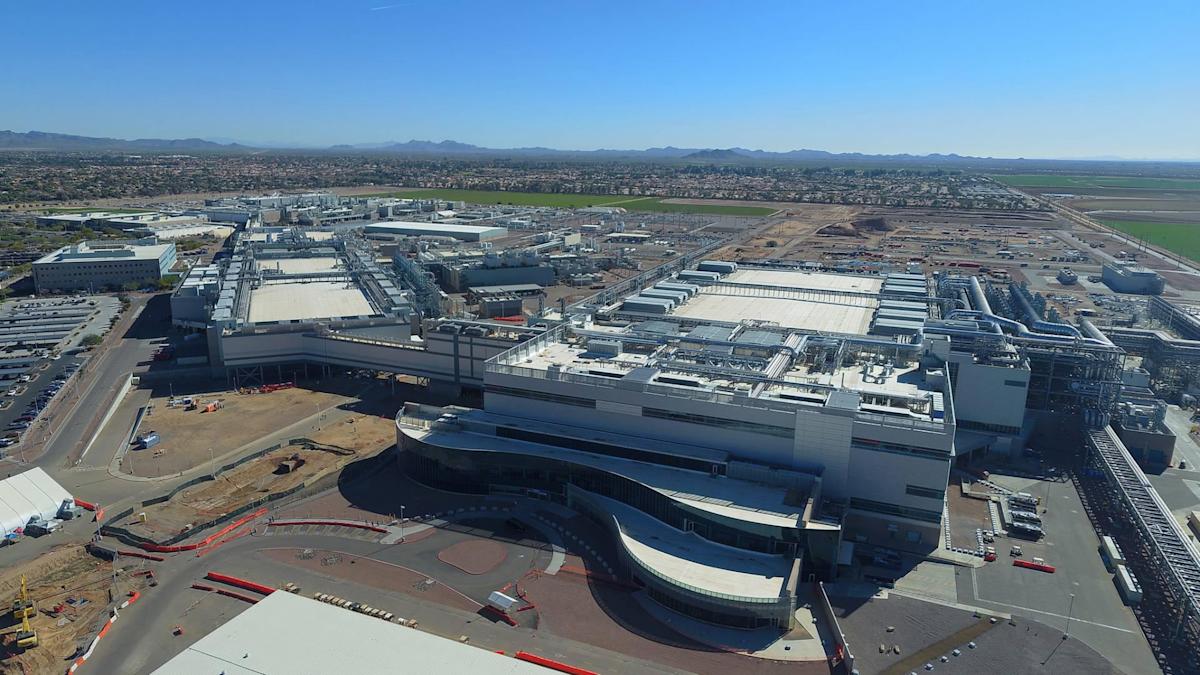

The 18A Crucible: Can Intel Forge a Future in Advanced Chip Manufacturing?
What happens when a company bets its entire future on perfecting technology so cutting-edge that even industry leaders tread carefully? That’s the multi-billion dollar question hanging over Intel as troubling reports persist about its critical 18A chip fabrication process. Despite billions invested and an aggressive roadmap aimed at reclaiming leadership from TSMC, Intel’s 18A node – the cornerstone of its ambitious “IDM 2.0” strategy – is reportedly grappling with persistently low yields and high defect rates. With the launch of its Panther Lake processors hinging on this very technology before year’s end, the pressure cooker surrounding Intel 18A represents one of the highest-stakes dramas in the notoriously unforgiving semiconductor industry. The success or failure of this Intel 18A process could transform Intel into a foundry powerhouse or force it to abandon manufacturing entirely.
The 18A Gamble: Too Much Riding on One Node?
Intel’s investment in the 18A manufacturing node isn’t just another step on the process roadmap; it’s a pivotal element of its strategic survival. Announced as part of its “five nodes in four years” plan during Pat Gelsinger’s tenure as CEO, 18A was billed as the technology to finally eclipse TSMC and Samsung in transistor performance and density by late 2024/early 2025, putting Intel back in the foundry business for top-tier clients like Microsoft and potentially chipping away at TSMC’s dominant market share. It signifies more than just technical prowess – it’s the engine intended to drive Intel Foundry Services (IFS) and restore faith in the company’s manufacturing brilliance.
However, a recent Reuters report cited by Engadget paints a concerning picture. Key issues include:
- Persistent Low Yields: While the latest report doesn’t specify exact figures for Q2/Q3 2024, it indicates the yield remains a “small percentage” of usable chips off the wafer. This follows last year’s reports of yields languishing around a mere 5% for Panther Lake test chips – a far cry from the 10% Intel hoped to achieve by this summer.
- High Defect Rates: Closely linked to low yield, a high defect rate signifies significant imperfections during manufacturing, leading to chips failing validation or operating sub-optimally.
- Historical Red Flags: The struggle isn’t new. Last year, chip design giant Broadcom was reportedly dissatisfied during early test runs of their own chips on 18A, casting early doubt on the node’s viability for external customers.
Intel’s Public Stance: Confidence vs. Reality
Publicly, Intel maintains a posture of optimism. A spokesperson told Engadget the company feels “very good about [their] trajectory on Intel 18A” and emphasized it will be “the foundation” of future products. Regarding Panther Lake, they stated launch confidence remains high. CFO David Zinsner, in a July interview with Reuters, downplayed concerns, stating yields were “better than a lot of doom and gloom out there” and emphasizing the natural ramp: “Yields start off low and improve over time.”
However, seasoned industry observers understand that benchmarks matter:
- The Yield Cliff: Intel traditionally target 50% yield before scaling production significantly. 70-80% yield is considered the threshold where processes become significantly profitable (IEEE Spectrum often covers semiconductor economics).
- Panther Lake Timing: Mass production volume targets for Panther Lake later this year demand yields moving rapidly beyond “a small percentage” to meet launch and supply commitments. The gap between reported progress and historical requirements is substantial.
Yield Anxiety: Interpreting the Numbers Behind the Hype
Understanding why yield is the make-or-break metric illuminates Intel’s predicament.
- The Economics: Semiconductor wafers are incredibly expensive to produce. A low yield means only a handful of viable chips emerge from each wafer, drastically inflating the cost per functional chip. Profitability becomes impossible until yields reach scale. As mentioned, Intel hits its profit stride around 70-80% yield. Consistently low yields make Panther Lake financially precarious and jeopardize Intel Foundry Services’ pricing competitiveness against TSMC’s proven high yields on comparable nodes.
- The Defect Domino Effect: High defect rates indicate fundamental process instability. Defects can arise from contamination, lithographic errors, material inconsistencies, or thermal variations at the atomic scale prevalent in nodes like 18A (effectively below 2nm equivalent). Each phase of manufacturing adds complexity. Rooting out these defects isn’t trivial; it requires intensive engineering, tool recalibration, and time – the latter being a luxury Intel’s aggressive schedule denies.
- Panther Lake’s Risk: Launching a flagship product on an immature process invites supply shortages, higher component costs for OEMs, potential performance inconsistencies, and reputational damage if issues emerge post-launch. Recall the challenges with Intel’s 10nm process delay – such precedents amplify current concerns.
Yield Ramp Timeline vs. Intel’s Targets – A Stark Comparison
| Time Period | Reported 18A Yield (Panther Lake) | Intel’s Target for the Period | Target Needed for Profitability |
|---|---|---|---|
| Late 2023 | ~5% (Reported) | ~10% (Set Earlier) | N/A (Early R&D) |
| Summer 2024 | “Small Percentage” (Reported) | 10% (Aimed for by Summer) | N/A (Pre-Volume) |
| Before Volume Ramp | ? (Unknown current state) | 50% (Historical Minimum) | Required to launch production |
| Sustainably Profitable Production | N/A | 70-80%+ | Critical for long-term viability |
Foundry Dreams vs. Manufacturing Realities: The TSMC Gap
Attempting to become a major foundry player against TSMC, the undisputed leader, is a monumental challenge. TSMC commands over 60% of the global foundry market share and has delivered consistent, high-yielding nodes for years (TSMC Investor Relations reports recurring high yields during ramps). They set the gold standard for execution.
Intel’s struggles with 18A erode confidence precisely when they need it most to attract and retain external foundry customers beyond Microsoft. The reported Broadcom dissatisfaction is a potent warning sign. Why would major fabless semiconductor companies like Qualcomm, Nvidia, or AMD risk their cutting-edge products on a process that appears unstable and low-yielding, especially when TSMC offers proven alternatives? Intel Foundry Services needs flagship client wins built on 18A success now. Every month of yield struggle makes attracting those marquee customers exponentially harder. The chilling warning Intel issued to investors last month – that failure to secure contracts for its next-generation 14A process (which heavily depends on 18A success) could force Intel entirely out of chip manufacturing – underscores the existential nature of this challenge.
Innovation Gambit: Technical Risks of 18A
Intel didn’t choose an easy path. The 18A process is a high-risk, high-reward gambit combining multiple significant innovations simultaneously:
- PowerVia: This involves drilling power delivery lines directly to the back of the silicon die, freeing up the front side for more efficient signal routing. While potentially revolutionary for power efficiency, it adds complexity and new potential points of failure (AnandTech provides deep technical analysis of PowerVia).
- RibbonFET: This replaces the FinFET transistor design Intel has used for nearly a decade. RibbonFETs (Gate-All-Around or GAA transistors) offer better electrostatic control at ultra-small scales but are notoriously difficult to manufacture consistently, especially at the volumes Intel requires. Defect management is a massive challenge with GAA.
- Aggressive Timeline: Intel compressed its development cycle significantly (“five nodes in four years”), trying to leapfrog competitors. Several sources, including inside Reuters’ report, described the 18A push as a “hail mary” play. Compressing schedules in semiconductor manufacturing heightens the risk of overlooked defects and yield issues, as iterative learning cycles are shortened.
Combining multiple bleeding-edge technologies within a radically condensed timeline creates a perfect storm for manufacturability challenges. Historically, major foundries like TSMC introduce complexities more gradually.
The Existential Domino Effect: How 18A Anchors Everything
The implications of persistent 18A woes extend far beyond Panther Lake:
- 14A Imperiled: Failure on 18A directly threatens the 14A roadmap. 18A success is essential to building customer trust and securing pre-orders for its even more advanced 14A node planned for the 2026/2027 timeframe. Intel explicitly stated that without securing 14A contracts, it may exit manufacturing – making 18A the crucial linchpin holding the whole manufacturing future together.
- Foundry Credibility Evaporates: Low yields and manufacturing instability on 18A decimate Intel’s promise to be a competitive foundry partner. Why would a major client commit billions to a process with public yield struggles and a history of delays?
- Investor Confidence Sinks: Billions invested in 18A capex need a return. Continued negative reports feed into narrative of unfulfilled promises, undermining investor confidence needed to fund future nodes. Stock price volatility and higher capital costs could follow.
- Massive Restructuring Adds Pressure: Compounding the technical woes is Intel’s severe ongoing restructuring. Confirming cuts reaching 20% of its workforce by year-end, following 20,000 cuts between 2024-2025, creates immense internal disruption. Losing significant engineering talent and expertise during a mission-critical technical ramp introduces further operational risk (Intel Newsroom announcements detail restructuring). A CEO change earlier this year also signals leadership turbulence.
Conclusion: The Pivotal Quarter Ahead
Intel finds itself at an unprecedented inflection point. The 18A manufacturing process was conceived as the phoenix that would resurrect its technological leadership and propel Intel Foundry Services into the premier league. Instead, persistent reports of stubbornly low yields and high defect rates threaten to derail the entire strategy. The gap between projected targets and reported reality remains substantial, casting a long shadow over the imminent mass production of the pivotal Panther Lake processors and Intel’s ability to compete with TSMC. While public statements project confidence, the technical complexities of PowerVia and RibbonFET, combined with an ultra-aggressive timeline and the existential warning about 14A, paint a compelling picture of a company facing a monumental challenge.
The coming months will be decisive. Achieving the yield ramp necessary for a successful Panther Lake launch is non-negotiable. Otherwise, Intel risks not just a product stumble, but the very foundation of its future as an integrated device manufacturer. The crucible of Intel 18A will test the company’s engineering prowess and strategic resolve like never before. The stakes for the global semiconductor landscape couldn’t be higher. Do you think Intel can overcome its 18A yield challenges and hit its ambitious targets this year, or are these reports a sign of deeper structural issues? Share your analysis in the comments below!
Sources & Further Reading:
Original article at www.engadget.com


