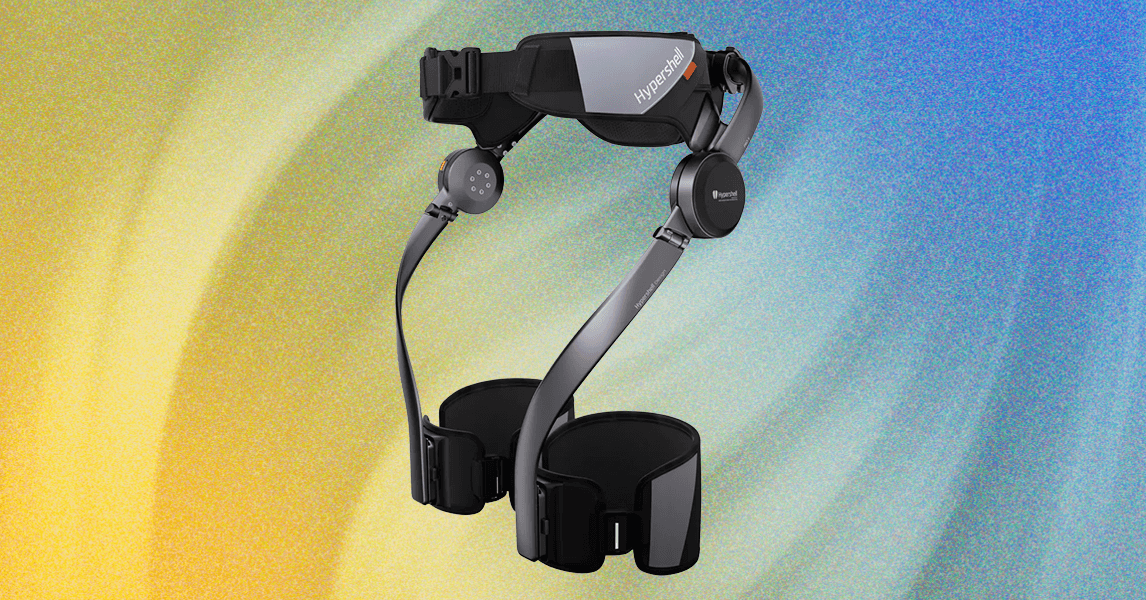

Are Powered Exoskeletons the Future of Mobility? A Hands-On Look at Hypershell
Imagine a world where mobility limitations are a thing of the past. Where the elderly can effortlessly climb stairs, and hikers can conquer mountains with ease. The promise of powered exoskeletons is closer than ever, but are they ready for prime time? While advanced robotic limbs remain largely in the prototype phase, wearable exoskeletons like the Hypershell Pro X are already available, offering a glimpse into the future of assisted movement. This article delves into the world of exoskeletons, focusing on the Hypershell Pro X and its potential to revolutionize how we move.
The Rise of Wearable Exoskeletons: More Than Just Sci-Fi
Exoskeletons, once relegated to the realms of science fiction, are rapidly becoming a tangible reality. These wearable devices, designed to augment human strength and endurance, are finding applications across a diverse range of fields. While medical exoskeletons are vital for rehabilitation and assisting individuals with disabilities, non-medical exoskeletons, such as the Hypershell, target a broader audience, promising enhanced performance for everyday activities. This expansion in applications highlights the growing potential of wearable exoskeletons to impact our lives.
Benefits of Exoskeletons: Beyond Enhanced Strength
The advantages of exoskeletons extend far beyond simply boosting muscle power.
- Increased Mobility for People with Disabilities: Exoskeletons can empower individuals with mobility impairments to regain independence and improve their quality of life.
- Reduced Workplace Strain: In physically demanding jobs, exoskeletons can alleviate strain on workers, reducing the risk of injuries and boosting overall productivity.
- Enhanced Athletic Performance: For athletes and outdoor enthusiasts, exoskeletons can provide extra power and endurance, enabling them to push their limits.
- Improved Rehabilitation: Medical exoskeletons are proving effective in rehabilitation programs, helping patients recover from injuries and neurological conditions.
This multi-faceted appeal is driving innovation and investment in the exoskeleton market, making them an increasingly attractive option for various needs.
Hypershell Exoskeleton Review: Stepping into the Future of Assisted Movement
The Hypershell series of exoskeletons aims to bring this technology to the masses. Unlike many projects stuck in crowdfunding or pre-order purgatory, Hypershell devices are readily available for purchase. This accessibility sets them apart from competitors and allows for real-world testing and feedback.
Hypershell Models: A Comparison
Hypershell offers three models: the Go X, Pro X, and Carbon X, each with varying capabilities and price points.
| Feature | Hypershell Go X | Hypershell Pro X | Hypershell Carbon X |
|---|---|---|---|
| Output | 400 Watts | 800 Watts | 800 Watts |
| Price | \$900 | \$1,199 | \$1,500 |
| Max Speed Assist | 7.5 mph | 12.4 mph | 12.4 mph |
| Range | N/A | 10.8 miles | N/A |
| Material | Carbon Fiber | Carbon Fiber | Titanium Alloy |
| Weight | 4.41 lbs | 4.41 lbs | 4.0 lbs |
The reviewer tested the Hypershell Pro X, praising its significant improvement over a previously tested DNSYS X1 prototype. The Pro X offered a noticeable power boost on trails, even if it elicited some amusement from onlookers.
Hypershell Pro X: Fit, Features, and Functionality
One of the standout features of the Hypershell Pro X is its ease of use and comfortable fit. The build quality, ergonomic design, and adjustability are all impressive. The accompanying app provides step-by-step video instructions on how to properly fit and adjust the exoskeleton, ensuring a comfortable and secure experience.
Upon powering on, the Pro X springs to life, tightening around the user and instantly providing assistance once a power mode is selected. The device offers 10 different modes, including assistance for:
- Walking
- Running
- Cycling
- Uphill and downhill walking
- Stair climbing
This versatility makes the Hypershell Pro X suitable for a wide range of activities and terrains.
Addressing the Concerns: Challenges and Future Directions for Exoskeletons
Despite the excitement surrounding exoskeletons, it’s important to acknowledge the challenges that remain. These include:
- Cost: The high price point of many exoskeletons can be a barrier to entry for many potential users.
- Weight and Bulk: While improvements are being made, exoskeletons can still be heavy and bulky, which can impact comfort and mobility.
- Battery Life: Limited battery life can restrict the duration of assisted movement.
- Social Acceptance: The appearance of exoskeletons can be a concern for some users, leading to self-consciousness.
- Technological Limitations: Further advancements are needed to improve the responsiveness, adaptability, and overall performance of exoskeletons.
To address these challenges, ongoing research and development efforts are focused on:
- Developing lighter and more durable materials.
- Improving battery technology for longer run times.
- Creating more intuitive and user-friendly control systems.
- Reducing the cost of exoskeletons through mass production and innovative designs.
- Promoting greater social acceptance through education and awareness campaigns.
By overcoming these hurdles, exoskeletons have the potential to transform lives and redefine the limits of human mobility.
The Exoskeleton Revolution: A New Era of Assisted Movement
The Hypershell Pro X represents a significant step forward in the development of accessible and functional exoskeletons. While still in its early stages, this technology holds immense promise for enhancing mobility, reducing physical strain, and improving the quality of life for a wide range of individuals. As technology continues to evolve, we can expect to see even more advanced and user-friendly exoskeletons emerge, blurring the lines between human capability and technological augmentation. The future of movement is here, and it’s powered.
What do you think? Could you see yourself using a powered exoskeleton? Comment below!
Sources & Further Reading:
Original article at www.wired.com


