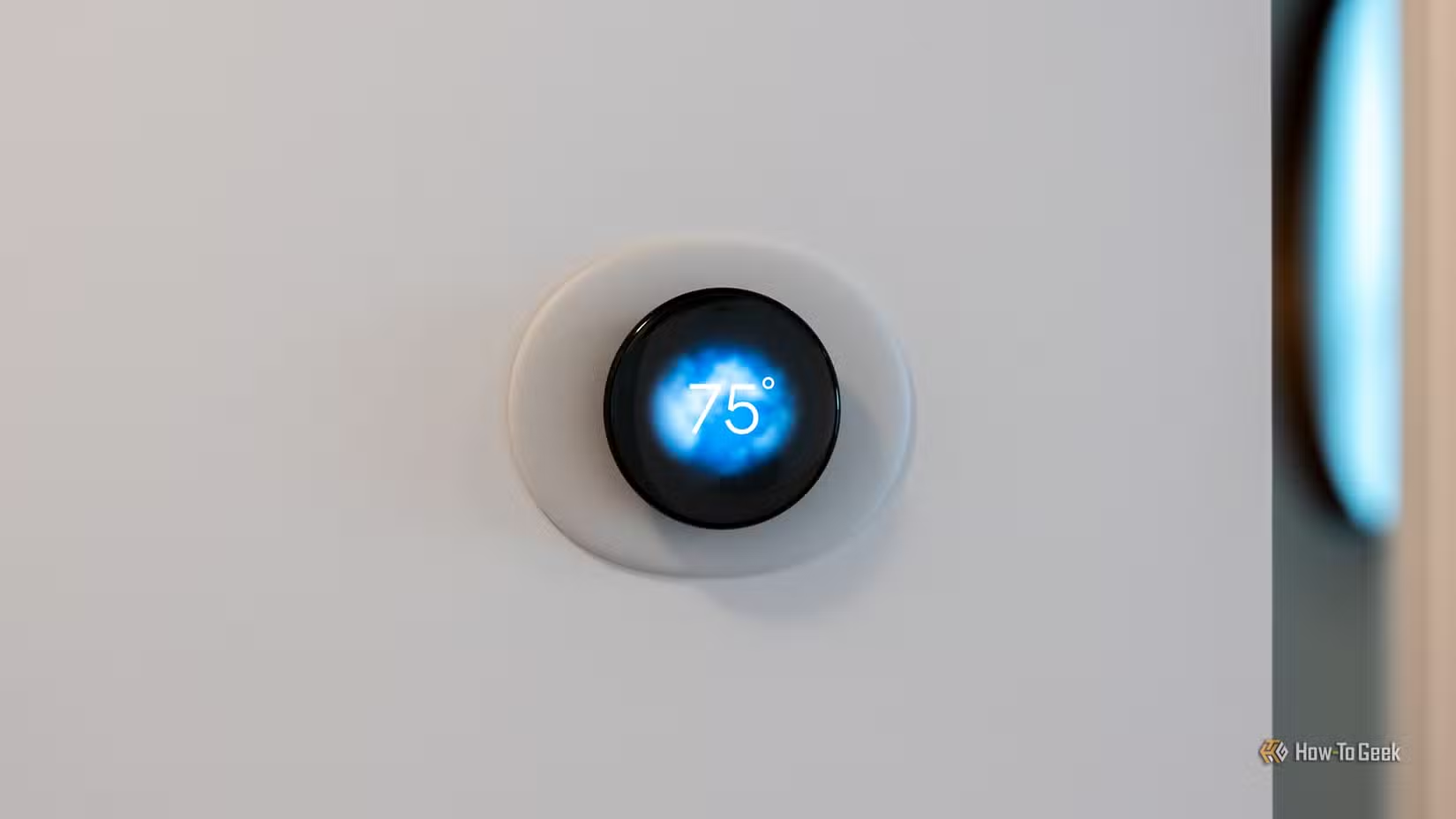

Unlocking Your Smart Home’s Hidden Potential
Ever wondered how much energy and peace of mind slips through open windows or forgotten doors? Studies show that HVAC overuse accounts for nearly 50% of home energy waste during peak seasons, often accelerating because of undetected ventilation gaps. This is where contact sensors – those unsung heroes of home automation – become indispensable. These small magnetic sentinels transform ordinary spaces into responsive environments by detecting open/closed states, enabling smarter resource management and proactive security. Unlike complex setups, these devices integrate across platforms while offering unique customization when paired with robust hubs like Home Assistant.
Cutting HVAC Costs Through Automation
What if your climate control could intuitively pause when fresh air enters? Door or window detectors solve this efficiency drain. When sensors activate during openings, systems tune off HVAC operations automatically while initiating reactivation upon closure. This prevents fighting open-air environments – a common oversight in smart apartments and modern houses. Imagine saving up to 15% on utility bills (U.S. DOE) while enjoying breeze-filled afternoons. Platforms including Apple Home support basic automations, but Home Assistant’s advanced conditional workflows layer invaluable nuance:
- Setting exceptions for brief openings below 5 minutes
- Integrating weather data to prevent pauses during extreme temperatures
- Prioritizing sensor-triggered actions across entire zones
Consider practical deployment! Stick sensors to balcony doors in high-traffic zones like kitchens. Brands like Aqara offer PET-proof designs that withstand fawn pets or enthusiastic kids.
Passive Reminders for Forgetful Moments
The recent $400 bicycle theft from my garage wasn’t forgetfulness – it was a systemic failure to track closures. Enter contact sensors as diligent custodians. Configure them to escalate alerts when doors breach safety thresholds:
| Alert Strategy | Execution | Best For |
|---|---|---|
| Time-based triggers | Nightly garage scans via Home Assistant | Securing dusk entries |
| Duration-based alerts | “Still open?” ping after 10+ minutes | Pet doors/basement entries |
| Critical broadcasts | App + audible alarms after breaches | Child safety gates |
Unlike passive measures, this transforms anxiety into reassurance – applying equally to laundry rooms or pool enclosures. Using NASA-retained cybersecurity principles, reputable ecosystems like Google Nest build encrypted logs that deter unauthorized overrides.
Persistent Appliance-Inspired Alerts
A single phone alert about your completed laundry occasionally drowns in notifications. Enter scripted escalations via contact sensors:
- Mount magnet sensor on washer drum access points
- Program delayed “nag cycles” every 15 minutes once cycle finishes
- Terminate alerts ONLY upon re-opening (validated emptying)
This leverages state-change triggers ingeniously, ensuring forgotten loads don’t trigger mildew disasters. Pairing Wi-Fi moisture detectors (like Sonoff units) creates secondary confirmation layers while Matter-certified ecosystems maintain simplified setups.
Beyond Motion Blunders: Light Logic
Motion sensors falter in dark closets – batteries die swiftly when infra-red persistently scans voids. Furniture also casts blind zones. That’s where contact-controlled luminosity shines:
- Pantries/Lingerie drawers → Illume instantly without motion tracking delays
- Wardrobes → Sustain LED strips illumination while doors remain open
- Garage racks → Prevent wasted 5-minute motion-limits
Hardwired Zigbee setups substantially outlast Bluetooth versions, eliminating monthly swap-outs. Brands like Philips decrease fixture-trigger latency below 0.3 seconds.
Making Makers’ Security Dreams Work
Got a basket of old IKEA Parasoll sensors? Build hostile entry warnings without subscriptions:
DIY Alarm Pathway:
• Designate sensors for perimeter doors/skids
• Enable geofencing via Home Assistant’s companion apps
• Trigger sirens + light-flooding during away-mode or sleep-hours
Crucially: calibrate for false-free prevention. TP-Link sensors leverage militrary-grade frequency-switching to evade pet allergies or phantom vibrations. Affordable systems offer 245-day battery lives (Per Aqara whitepapers), surpassing counterparts. Silent variants notify homeowners discreetly – perfect for triggering camera footage verifications during sensor incidents.
Access Analytics: Tracking Patterns
Who accessed the cookie stash overnight? How many porch entries occurred today? Sensor logs turn speculation into forensic insights:
- Timestamping medicine cabinet visits
- Validating deliveries during workdays
- Monitoring maid-service entries
Such reporting reveals patterns. Pairing door event trackers with smart power sockets identifies if gaming rigs stay operational post-curfew. Secure outdoor models (IP67-rated sensors) weatherproofing against sabotaging elements. Matter-over-Thread protocols will advance interoperable logging across brands shortly.
The Essential Evolution
Never dismiss these humble polarity-trackers as primitive devices. From preventing catastrophic garage thefts to silencing forgotten AC usages, contact sensor automations safeguard both resources and sanity while bridging the gaps where motion-sensing fails. Future Matter-certified releases will shrink prices below $8-per-pair while optimizing cloud-free performance. What magnet-centric innovations do YOU envision dominating home spheres next? Share your automation breakthroughs below!


