
The Unspoken Challenges Beyond Gravity: Crew-11’s Early Earthbound Trek
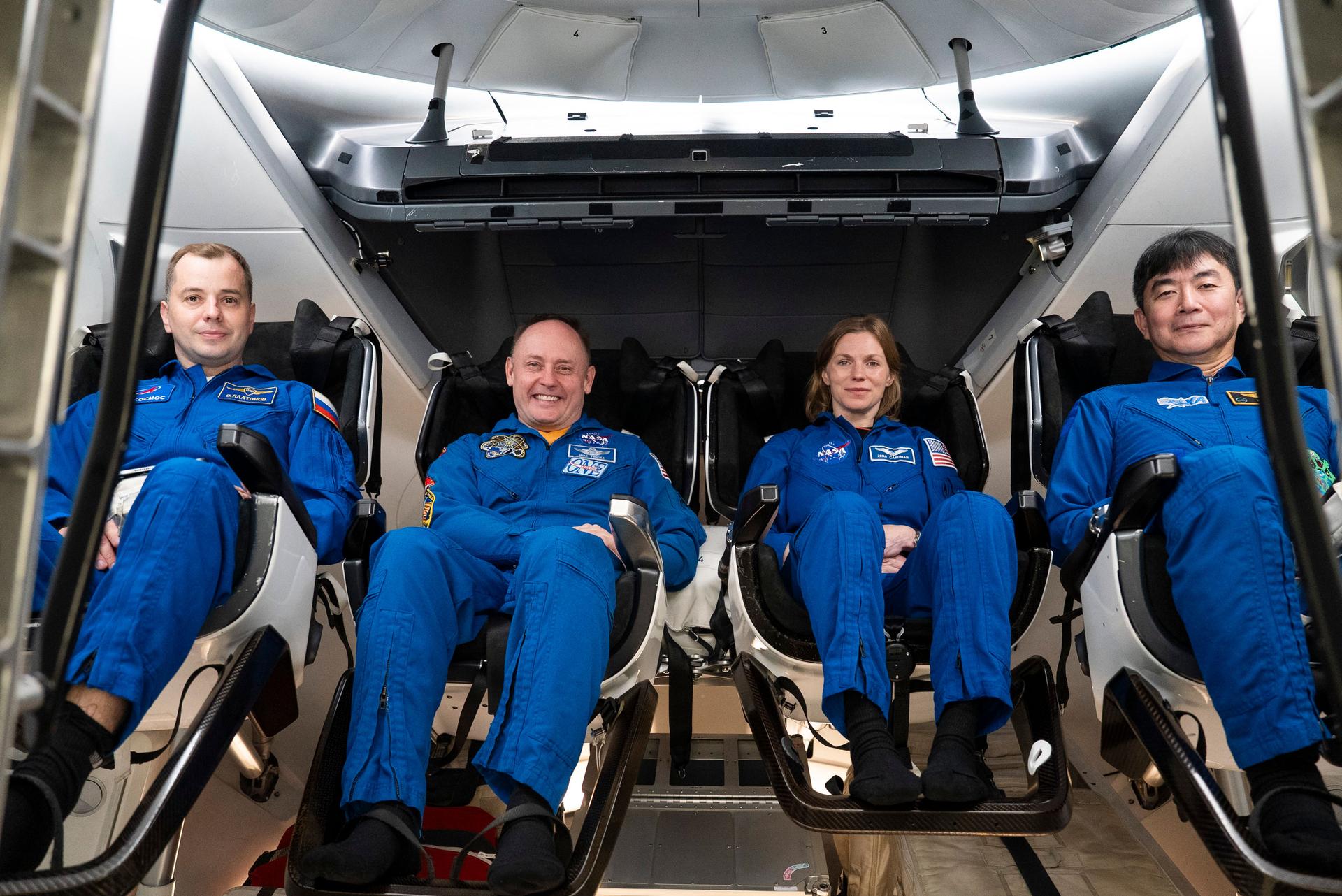
What happens when a medical mystery unfolds 250 miles above Earth? Last week, four International Space Station crew members faced precisely that scenario. NASA astronaut Zena Cardman, NASA pilot Mike Fincke, Japan Aerospace Exploration Agency mission specialist Kimiya Yui, and Roscosmos cosmonaut Oleg Platonov concluded their mission abruptly after 167 days in orbit – 30 days short of schedule – due to a crew member’s undisclosed medical condition. Their predawn splashdown on Thursday near San Diego in SpaceX’s Crew Dragon “Endurance” underscored a critical reality: space exploration’s greatest challenges often stem from human physiology itself, not complex machinery. This unexpected return highlights how astronaut health management remains paramount in low-Earth orbit and beyond.
The Anatomy of an Accelerated Homecoming
The Crew-11 mission’s interrupted timeline began unfolding quietly last week. While NASA emphasized the medical issue was “not an emergency” and the affected crew member remained stable, agency officials prioritized ground-based medical evaluation over mission completion. Unlike rare catastrophic scenarios requiring immediate evacuation (like orbital debris collisions), this decision reflected protocol for non-critical conditions with potential long-term implications. Key phases of the return:
- Undocking & Deorbit: Crew Dragon detached from the ISS at 5:20 PM EST Wednesday, aligning for a coordinated atmospheric re-entry.
- Fiery Re-Entry & Precision Landing: Californians reported sighting the capsule’s plasma trail from San Francisco to Los Angeles before it splashed down at 3:41 AM EST (08:41 UTC) – just 41 minutes off its original return date’s projection.
- Post-Splashdown: SpaceX recovery vessels secured the capsule and assisted visibly healthy crew members ashore. Commander Cardman’s radioed message emphasized relief: “It feels good to be home, with deep gratitude to the teams who got us there and back.”
Navigating Confidentiality in Space Medicine
A veil of medical privacy remains firmly in place. NASA deliberately withheld:
- The affected astronaut’s identity
- Symptoms and preliminary diagnosis
- Severity classification beyond “stable”
Such confidentiality balances HIPAA-equivalent privacy rights against public interest. Post-flight medical protocols saw all crew transferred to a San Diego facility before their return to NASA’s Johnson Space Center in Houston. Historical parallels include ESA astronaut Luca Parmitano’s 2013 near-drowning incident during an EVA, proving transparency varies case-by-case. Per NASA’s Human Research Program lead William Paloski, “Non-urgent conditions might only become public post-recovery—the focus is crew safety, not publicity.”.
Evacuation Protocols: Comparing Capabilities
Modern stations prioritize rapid-return options. Contrasting Crew Dragon’s efficiency with predecessor systems reveals critical advances:
| Return System | Emergency Evacuation Time | Medical Support Level |
|---|---|---|
| SpaceX Crew Dragon | As little as 6 hours (undock to splashdown) | Advanced bodily sensors; telemedicine consultations |
| Russian Soyuz | ~3.5 hours (undock to landing) | Minimal physiological monitoring during descent |
| Space Shuttle (Retired) | Required runway landing; days to weeks for rescue if off-course | Onboard medical equipment varied significantly by mission |
This Crew-11 incident demonstrates the vital ‘medical sovereignty’ offered by U.S. commercial crew vehicles: flexible scheduling based on clinical needs, not rigid diplomatic timelines.
Why “Not an Emergency” Still Meant Early Return
Several operational factors likely influenced NASA’s conservative approach:
- Limited Diagnostics: ISS medical resources include ultrasound, ECG, and basic blood analyzers but lack MRI/CT imaging or advanced labs. Ground-based facilities remain essential for complex diagnoses.
- Microgravity’s Subtle Threats: Persistent exposure affects bone density (1-2% monthly loss), vision (Spaceflight-Associated Neuro-Ocular Syndrome), and immune function. A stable condition can deteriorate rapidly in altered physiology.
- Psychological Weight: Mission psychologists monitor stress markers; uncertainty around any health issue can impair crew performance during critical operations like EVAs.
Implications for Deep-Space Exploration
Crew-11’s experience underscores challenges for moon and Mars missions where return windows shrink dramatically:
- Mars mission constraints: 7+ month return journey vs instant ISS access. NASA’s Artemis program focuses on closed-loop medical systems and AI diagnostics to mitigate this.
- Rising probabilistic risks per NASA research: >70% likelihood of minor-medical incidents on long ISS missions. For Mars? Near-certainty requiring autonomous solutions.
- Telemedicine advances: Tools tested on ISS (like handheld scanners relaying real-time data to Mayo Clinic specialists) prove crucial for distant missions valued at millions per hour.
Resilience Beyond Gravity
These astronauts’ return wasn’t an evacuation but a structured transition prioritizing wellbeing. Cardman, Fincke, Yui, and Platonov represent a new multicultural norm: international crews collaborating seamlessly despite geopolitical tensions. Their unblemished landing after shortened service echoes NASA’s uncompromising philosophy—human resilience defines mission success as much as rocket thruster efficiency.
While SpaceX’s Dragon has completed 12 crewed missions since 2020, Crew-11 demonstrates a core truth: spacecraft reliability meets human vulnerability at aerospace’s final frontier. Preparing for extended lunar habitation demands we refine response strategies wherever symptoms emerge—be it Houston, orbit, or the Martian highlands. What protocols would you prioritize for health crises beyond Earth? Share your insights below.


