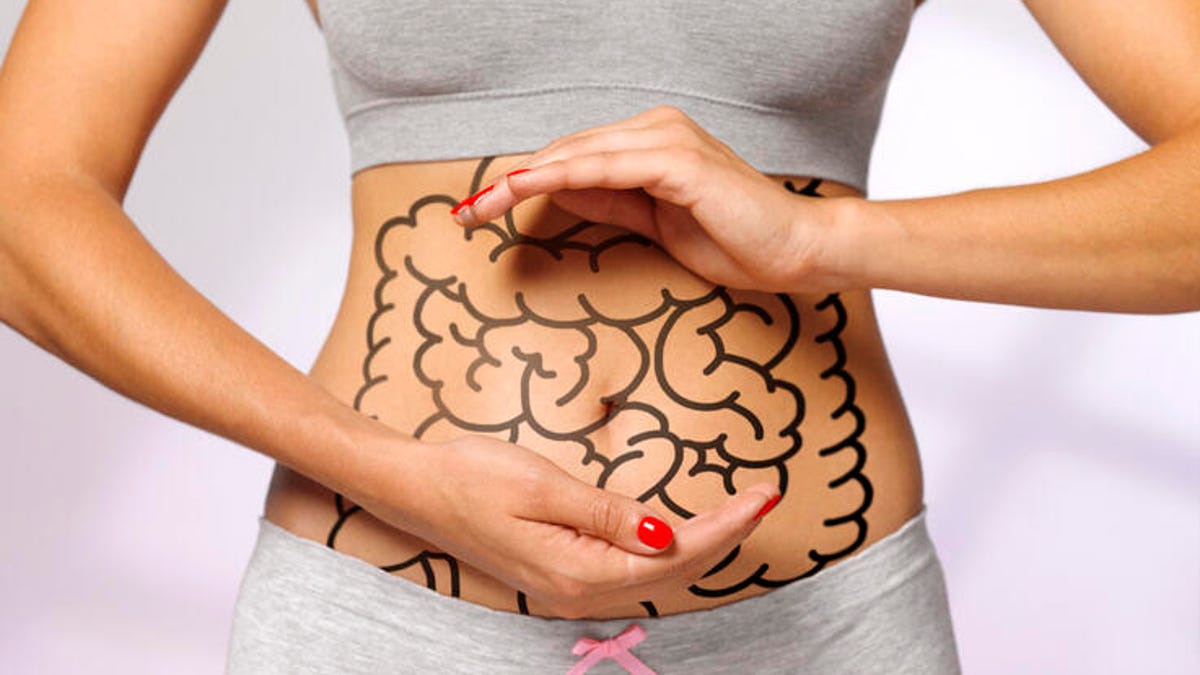

Unlocking Your Second Brain: The Surprising Power of Gut Health
What if I told you that invisible “pets” living in your intestines hold the keys to your immunity, mood, and even your skin’s glow? Cleveland Clinic microbiome researcher Gail Cresci’s description of our gut microbes as “little pets” captures the intimate yet powerful relationship we share with these trillions of bacterial residents. Your gut health extends far beyond digestion—it influences inflammation, hormone production, vitamin synthesis, and disease resistance. Yet modern lifestyles disrupt this delicate ecosystem, sparking issues from chronic fatigue to autoimmune disorders. Ignoring gut health is like neglecting a vital organ. This article unpacks the warning signs of microbiome imbalance and provides science-backed strategies to cultivate a thriving inner world, ensuring your microbial allies work for you, not against you.
Recognizing the Signs of an Unhealthy Gut Ecosystem
Disruptions in our gut microbiome manifest through physical and mental symptoms that many dismiss as “normal.” As Cresci warns, frequent bloating, gas, or abdominal discomfort often signal altered microbial composition. Other key indicators include:
- Digestive Distress: Persistent nausea, vomiting, constipation, or diarrhea
- Unexplained Fatigue: Persistent tiredness unrelieved by rest
- Sleep Disruptions: Insomnia or fractured sleep patterns
- New Food Intolerances: Reactions to previously tolerated foods
- Skin Inflammation: Acne, eczema, psoriasis, or rashes
Research increasingly links gut dysfunction to systemic issues. For instance, a 2020 review in Frontiers in Microbiology connected gut dysbiosis to skin conditions like acne and psoriasis via inflammation pathways. New studies published in Microorganisms (2023) also explore ties between gut microbes and hormonal balance—including estrogen metabolism—impacting conditions from PCOS to menstrual irregularities.
Gut Health Pillar 1: Fueling Your Microbiome with Intention
Your gut bacteria thrive on specific nutrients, primarily fibers indigestible to humans. Think of them as “microbe fertilizer.” Cresci emphasizes fresh produce, legumes, seeds, and whole grains. These foods contain prebiotics that feed beneficial strains like Bifidobacteria.
Prioritize These Gut-Friendly Foods:
- Fiber Powerhouses: Apples, oats, broccoli, lentils, chia seeds
- Fermented Probiotic Sources: Yogurt (with live cultures), kefir, kombucha, kimchi
Limit or Avoid:
- High-sugar foods (disrupt microbial balance)
- Ultra-processed fats (promote inflammatory bacteria)
- Excess red meat (linked to harmful metabolites like TMAO)
Western Diet Impact: Diets high in refined carbs and animal fats alter gut flora within days. A Nature study (2021) found such diets reduced microbiome diversity and increased Bacteroides strains linked to inflammation.
| Superstar Foods | Function | Daily Target |
|---|---|---|
| Leafy Greens (kale, spinach) | Provide sulfoquinovose, fueling good bacteria | 2-3 cups |
| Legumes (beans, lentils) | Rich in resistant starch and fiber | 1/2 cup cooked |
| Kefir/Yogurt | Live cultures replenish friendly bacteria | 1 cup |
Gut Health Pillar 2: Navigating Medications Mindfully
Antibiotics are notorious microbiome disruptors. While lifesaving, they decimate beneficial bacteria, often causing diarrhea or yeast infections. If prescribed antibiotics:
- Ask about narrow-spectrum options
- Discuss probiotic co-administration (especially Saccharomyces boulardii or Lactobacillus rhamnosus)
- Never use unnecessarily for viral infections
Other culprits include acid-reducing drugs like PPIs (e.g., omeprazole) or H2 blockers (e.g., famotidine). By reducing stomach acid, they alter gut pH and bacterial diversity. Research in Gut (2022) associated long-term PPI use with decreased microbial richness. Always review medications with your doctor, especially if gut symptoms arise.
Gut Health Pillar 3: Strategic Probiotic and Supplement Use
Probiotics aren’t one-size-fits-all. As Cresci stresses, strains are highly specialized. Lactobacillus reuteri may aid vaginal health, while Bifidobacterium infantis targets IBS symptoms. Key considerations:
- Match strains to your need: Use Lactobacillus rhamnosus GG for antibiotic-related diarrhea
- Quality matters: Choose brands with third-party verification (e.g., USP, NSF)
- Synergistic supplements: Consider postbiotics or butyrate for gut lining repair
Crucially, supplements can’t compensate for poor eating. Cresci bluntly states: “If you have a bad diet, a probiotic isn’t gonna help you.”
Gut Health Pillar 4: Movement and Sleep as Therapy
Exercise benefits gut diversity through multiple pathways: enhanced blood flow to intestines, optimized metabolism, and strengthened gut motility. A 2022 meta-analysis in Exercise and Sport Sciences Reviews confirmed consistent activity increases beneficial microbial species. Even daily walks or home workouts yield benefits.
Prioritizing sleep is equally non-negotiable. Our gut microbes follow circadian rhythms (the “microbiome clock”). Night-shift workers show disrupted microbiomes similar to those on high-fat diets per Cell (2023). Poor sleep also spikes cortisol, worsening gut-brain axis communication. Tips:
- Aim for 7-9 hours nightly
- Avoid eating 2-3 hours before bed
- Maintain consistent sleep/wake times
Nurturing Your Inner Ecosystem: The Path Forward
Our gut microbiome is a dynamic organ requiring intentional care. By recognizing early warnings like bloating or fatigue, and implementing Cresci’s four pillars—targeted nutrition, medication awareness, smart supplementation, and restorative movement/sleep—you cultivate resilience from the inside out. While everyone’s microbiome is unique, these scientifically validated strategies offer a universal foundation. Improved digestion, clearer skin, balanced immunity, and sustained energy await those who partner with their microbial allies. What’s one gut-friendly change you’ll make this week? Share your goal in the comments below!
Sources & Further Reading:
Original article at www.cnet.com


