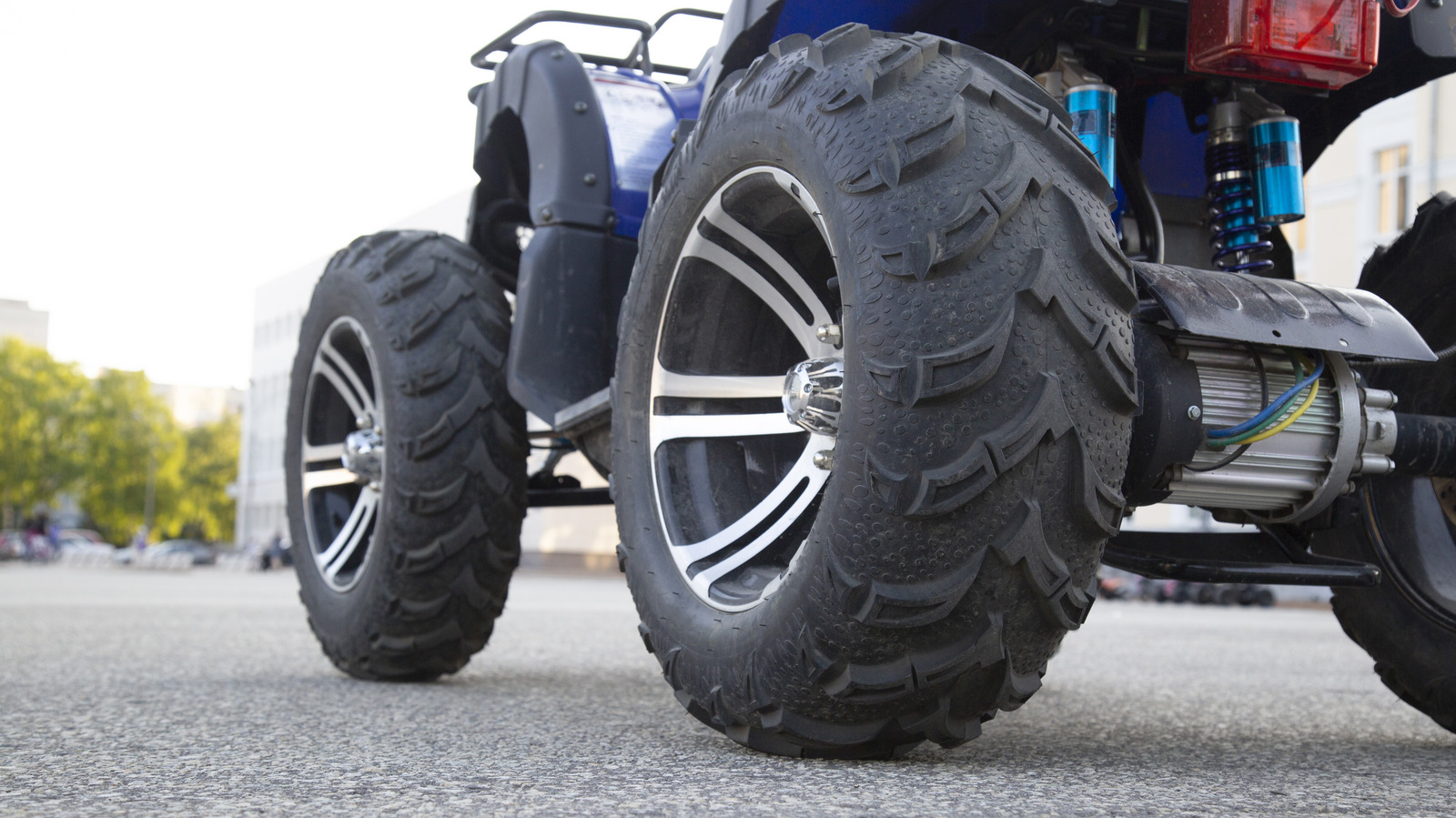

Are ATVs Street Legal in Florida? Navigating the Off-Road Vehicle Laws
Ever wondered if you can legally cruise down the street in your ATV in Florida? The answer, as with many legal questions, is complicated. The laws governing ATV street legal status, along with UTVs and other off-highway vehicles, vary drastically from state to state, county to county, and even city to city. Understanding the nuances of Florida’s specific regulations is crucial for any OHV owner to avoid fines and ensure compliance. This article will delve into the intricacies of Florida law regarding ATVs, UTVs, and ROVs, clarifying where you can (and cannot) legally operate these vehicles.
Decoding Florida’s Off-Highway Vehicle (OHV) Laws
Florida law categorizes both All-Terrain Vehicles (ATVs) and Utility Terrain Vehicles (UTVs) as off-highway vehicles (OHVs). However, the distinctions between these vehicle types, and Recreational Off-Road Vehicles (ROVs), are vital for understanding applicable laws.
What Exactly is an ATV According to Florida Law?
Florida Statute 317.0003 provides a precise definition of an ATV:
- Width: 55 inches or less
- Dry Weight: 1,500 pounds or less
- Tires: Designed to travel on three or more nonhighway tires
- Purpose: Manufactured for recreational use by one or more persons
Based on this definition, most ATVs are not street legal in Florida in the traditional sense.
Where Can You Legally Ride an ATV in Florida?
While not permitted on most public roads or streets, Florida law allows ATVs to be operated on unpaved roads under specific conditions:
- Speed Limit: The posted speed limit must be less than 35 miles per hour.
- Time of Day: Operation is restricted to daylight hours only.
However, and this is a crucial point, individual counties in Florida have the option to opt-out of this allowance. This means that even if a state law seems to permit ATV use on unpaved roads, your local county may have stricter regulations in place. Therefore, always check with your local DMV to confirm the specific rules in your area.
The Importance of Title and Ownership Regulations
Regardless of where you plan to operate your ATV, Florida requires that every ATV have a legal title. This is a fundamental requirement for legal ownership and operation within the state. Failing to have a properly titled ATV can lead to fines and impoundment of the vehicle.
UTVs and ROVs: Where Do They Fit In?
Interestingly, Florida Statute 317 makes no specific mention or definition of UTVs (Utility Terrain Vehicles), which are commonly known as side-by-sides. However, the statute does define Recreational Off-Road Vehicles (ROVs):
- Width: 80 inches or less
- Dry Weight: Less than 3,500 pounds
- Tires: Designed to travel on four or more nonhighway tires
- Purpose: Manufactured for recreational use by one or more persons
This definition is quite broad and could potentially encompass some UTVs, depending on their specific dimensions and weight.
How ROVs Differ from Golf Carts
It’s important to note that the definition of ROVs specifically excludes golf carts. While golf carts and ROVs may appear similar, they are legally distinct in Florida. Golf carts are often subject to different regulations and restrictions, particularly regarding where they can be operated. Golf carts also should not be used for towing purposes.
Law Enforcement Exceptions for ATV Use
There are specific exceptions to the general restrictions on ATV use on public roads for law enforcement officers. Florida law permits four-wheeled ATVs to be used by law enforcement officers on public roads within public lands while performing their duties. This allows them to patrol parks, forests, and other public areas effectively.
Additionally, law enforcement officers can operate ATVs on public roads within five miles of a beach access point, but only when traveling to and from the beach. This exception is likely intended to facilitate beach patrols and emergency response.
Penalties for Illegal ATV Operation
Civilians caught operating ATVs on public roads or streets not designated for such use face a noncriminal traffic infraction, punishable as a nonmoving violation. The specific fines and penalties can vary depending on the local jurisdiction, but it’s crucial to understand that illegal ATV operation can result in financial consequences.
The Economic Significance of Utility Vehicles in Florida
Despite the restrictions on street use, golf carts, ATVs, and other “utility” type rigs play a crucial role in Florida’s economy. The state’s vast coastline, numerous golf courses, resorts, and HOAs rely on these vehicles for access, maintenance, and security.
- Coastal Maintenance: ATVs and UTVs are often used for beach cleanup, lifeguard patrols, and other coastal maintenance tasks.
- Golf Course Management: Golf carts are essential for golfers and course maintenance.
- Resort and HOA Operations: Utility vehicles are used for landscaping, security patrols, and general maintenance within resorts and homeowner associations.
The Florida Senate has defined a “utility vehicle” as a vehicle used for “general maintenance, security, and landscaping purposes.” However, this definition does not apply to vehicles used primarily for transporting people or property on a street or highway, including golf carts and ATVs.
Understanding Liability in Accidents Involving ATVs and Other Utility Vehicles
The technical differences between ATVs, UTVs, ROVs, and golf carts are not merely academic; they can have significant implications for liability in the event of an accident. If an accident occurs involving one of these vehicles, the specific legal classification of the vehicle will be a factor in determining fault and liability. Insurance coverage and legal responsibilities can vary depending on the type of vehicle involved.
Here’s a simple table summarizing the vehicle types and their general usage:
| Vehicle Type | Florida Legal Definition Summary | Primary Use Cases |
|---|---|---|
| ATV | Narrow, lightweight OHV | Recreational riding, off-road trails |
| UTV | Not defined in statute 317, but usually wider, heavier, and designed for utility | Work tasks, hauling, off-road utility |
| ROV | Wider and heavier OHV than ATV | Recreational riding, off-road trails, utility |
| Golf Cart | Defined separately, for golf courses | Transporting golfers and equipment on a golf course |
| Utility Vehicle | General Maintenance/Security vehicles | Landscaping, security patrols, maintenance |
Conclusion: Stay Informed and Ride Responsibly
Navigating the legal landscape of ATV street legal status in Florida can be challenging. While ATVs are generally not street legal, there are exceptions for unpaved roads and law enforcement personnel. Understanding the specific definitions of ATVs, UTVs, and ROVs, and the regulations in your local county, is essential for responsible and legal operation. Always check with your local DMV to confirm the current regulations in your area, and ensure that your ATV is properly titled. By staying informed and following the law, you can enjoy the recreational benefits of ATVs while avoiding fines and penalties.
What are your experiences with ATV laws in Florida? Share your thoughts and questions in the comments below!
Sources & Further Reading:
Original article at www.slashgear.com


