
A proposed ban by the Federal Communications Commission (FCC) on foreign-associated electronic devices could have significant unintended consequences for emergency home backup power systems and off-grid living arrangements, particularly targeting power inverters manufactured abroad. The regulation, framed as a national security measure, may disrupt access to essential equipment that many Americans rely on during power outages and for sustainable living.
While much of the public attention has focused on the FCC’s prohibition of foreign-made robotic vacuums and lawnmowers due to security concerns, the commission has also included foreign-made power inverters on its Covered List of associated devices subject to import restrictions. The ban stems from concerns about potential firmware vulnerabilities and surveillance risks associated with equipment manufactured overseas.
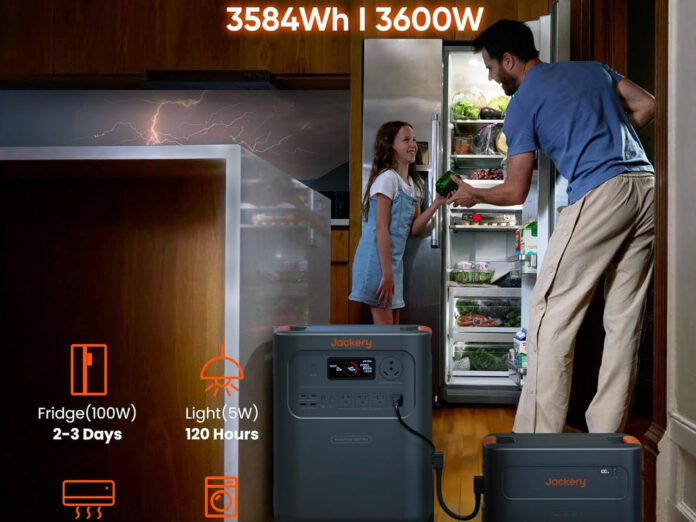
Power inverters play a crucial role in both emergency backup systems and off-grid energy setups by converting direct current (DC) electricity stored in batteries into alternating current (AC) power that standard household appliances and electronics require. Since the overwhelming majority of power inverters and portable power stations are manufactured in China, the proposed ban would directly impact the availability of these essential components.
The potential effects of such a ban extend beyond mere inconvenience. For individuals who maintain portable power stations or home battery backup systems for use during hurricanes, wildfire season-related utility outages, or grid overload situations, the restriction could create significant challenges in obtaining replacement parts or upgrading existing systems. Those committed to off-grid living for environmental, philosophical, or practical reasons would similarly face obstacles in maintaining or expanding their independent power generation capabilities.
Industry experts note that while existing, legally purchased equipment would continue to function under the proposed ban, the pipeline of new products entering the market would be severely affected. This particularly impacts Bluetooth- and Wi-Fi-enabled devices, which represent a growing segment of the power inverter and portable power station market.
The situation highlights a complex tension between legitimate national security considerations and the practical needs of consumers who rely on imported technology for essential services. While protecting against potential security threats is important, the broad application of such restrictions could inadvertently harm citizens who depend on this technology for legitimate safety and self-sufficiency purposes.
As the regulatory process continues, stakeholders from the emergency preparedness, off-grid living, and consumer electronics sectors are likely to engage in discussions about how to balance security concerns with practical accessibility. Potential solutions might include establishing stringent security standards for foreign-made equipment rather than outright bans, creating certification processes for secure supply chains, or developing exceptions for devices used in critical safety applications.
The debate underscores the broader challenge of regulating technology in an interconnected global marketplace. As supply chains become increasingly international and components cross borders frequently, policymakers face difficult decisions about how to address legitimate security concerns without disrupting access to technology that serves important consumer needs and safety functions.
For consumers currently considering investments in emergency backup power or off-grid energy systems, the developing situation warrants careful attention. While the ban remains proposed rather than finalized, its potential passage could significantly affect market availability, pricing, and options for essential power conversion equipment. The outcome may influence purchasing decisions and long-term planning for individuals seeking reliable power solutions in an uncertain world.
Ultimately, the situation serves as a reminder that technology policy decisions often involve complex trade-offs between competing priorities, requiring careful consideration of both security imperatives and the real-world impacts on citizens’ daily lives and safety preparations.


