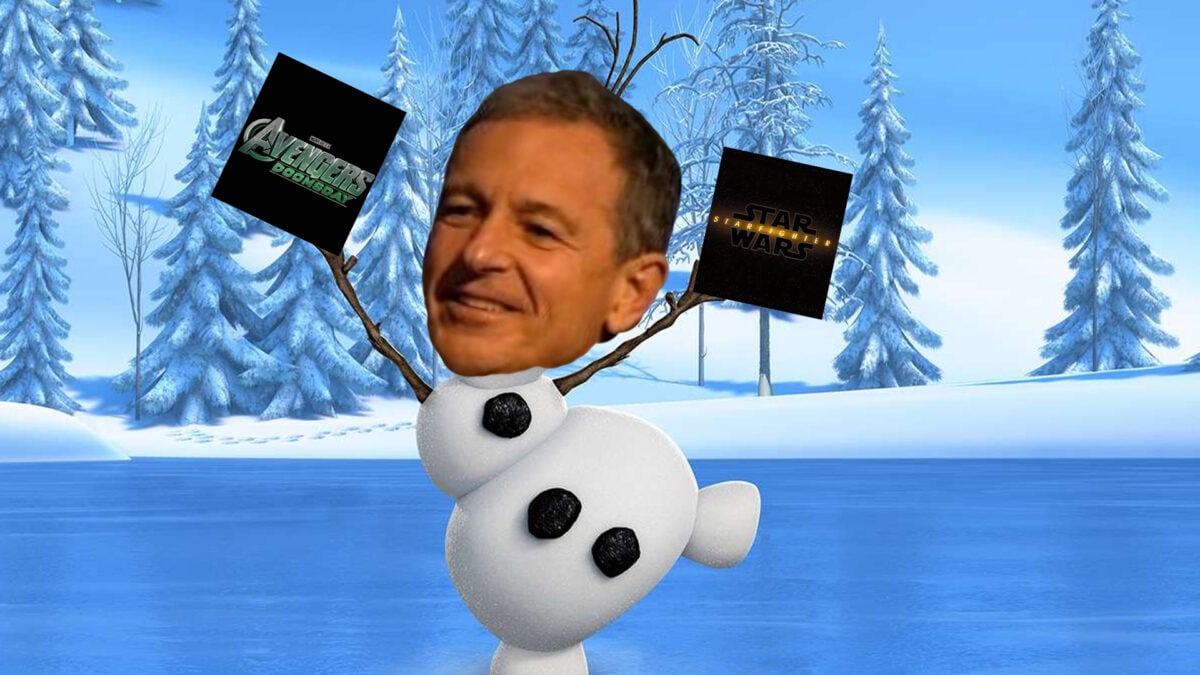

Is Disney Really Prioritizing Original Movies, or Just Remakes and Sequels?
Is the House of Mouse truly committed to creating new and innovative stories, or are they simply recycling familiar narratives for guaranteed box office success? A quick look at Walt Disney Studios’ upcoming film slate, encompassing Disney’s live-action and animated ventures, along with Pixar, Marvel, Lucasfilm, 20th Century Studios, and Searchlight Pictures, reveals a noticeable trend: a strong emphasis on sequels, reboots, remakes, and extensions of established franchises. This reliance on existing intellectual property (IP) has sparked debate about whether Disney is truly prioritizing original films, as CEO Bob Iger claims. This article delves into Iger’s statements, Disney’s upcoming projects, and the broader implications of Hollywood’s obsession with familiar stories.
Disney’s Balancing Act: Original IP vs. Established Franchises
Bob Iger, in a recent earnings call, addressed the question of whether Disney is leaning more towards original or familiar titles. According to The Wrap, Iger stated, “Our priority is to put out great movies that ultimately resonate with consumers, and the more we can find and develop original property, the better.” This suggests a desire to create new IP. However, he also emphasized the value of leveraging Disney’s existing IP through sequels, reboots, and live-action adaptations of animated classics.
Iger highlighted the live-action Moana, slated for 2026, as an example of how Disney is leveraging its IP. The success of Moana 2 (2024), initially planned as a Disney+ exclusive before becoming a theatrical hit, further reinforces the profitability of revisiting beloved stories. This balancing act raises questions about the true extent of Disney’s commitment to originality.
Why Sequels and Remakes Dominate Hollywood
The dominance of sequels and remakes in Hollywood is driven by several factors:
- Reduced Risk: Established franchises have pre-existing fan bases, reducing the financial risk associated with new releases. Studios are more confident in investing large sums in projects with proven track records.
- Marketing Advantage: Familiar characters and storylines require less marketing effort to generate awareness and excitement.
- Nostalgia Factor: Remakes and legacy sequels often tap into nostalgia, appealing to audiences who grew up with the original stories.
- Increased Merchandising Opportunities: Established franchises come with increased merchandising opportunities to extend their revenue streams.
These factors create a powerful incentive for studios like Disney to prioritize sequels and remakes, even if they express a desire to create original content.
Is Disney Truly Innovating, or Just Rebranding?
The question remains: is Disney genuinely innovating, or is it simply repackaging existing ideas? According to Iger, introducing familiar characters to new audiences is considered an “original property.” For example, Disney’s take on The Fantastic Four – while acknowledging previous versions –is considered original because it’s meant to introduce the characters to audiences who may not know them. This definition stretches the meaning of “original.” This might be true to new viewers, but it’s definitely not an original movie in the literal sense.
Here’s a comparison of different types of film projects:
| Project Type | Definition | Examples |
|---|---|---|
| Original Movie | A film based on a completely new idea or concept, not derived from any existing source material. | Inception, The Lion King(animated – original story) |
| Sequel | A film that continues the story of a previous film, featuring the same characters and setting. | Toy Story 4, Avengers: Endgame |
| Remake | A film that retells the story of a previous film, often with updated visuals, themes, or casting. | The Lion King (live-action), Beauty and the Beast (live-action) |
| Reboot | A film that restarts a franchise with a new continuity, often ignoring previous installments. | Batman Begins, Spider-Man: Homecoming |
| Adaptation | A film based on existing source material, such as a book, comic book, or play. | Harry Potter and the Sorcerer’s Stone, The Lord of the Rings: The Fellowship of the Ring |
The Risk of Over-Reliance on Existing IP: Creative Stagnation
While leveraging existing IP can be profitable, an over-reliance on sequels and remakes can lead to creative stagnation. When studios prioritize familiar stories over new ideas, it limits the opportunities for new voices and perspectives to emerge. This can result in a lack of diversity in storytelling and a decline in overall cinematic quality.
The push for familiar stories over original concepts also makes it harder for indie films to break through. This makes it so most stories are from a singular perspective, reducing the variation of stories that get to be told.
People Also Ask: Are Original Movies Still Possible?
The question of whether original movies are still possible in Hollywood is a subject of ongoing debate. While sequels and remakes dominate the box office, there are still examples of successful original films that capture audiences’ imaginations.
- What makes a movie original? An original movie is defined by its unique concept and characters, not drawing from previous works.
- How can original movies succeed in a franchise-driven market? They can succeed by offering fresh perspectives, compelling storytelling, and strong marketing campaigns that highlight their originality.
- What are the risks and rewards of creating original IP? The risk is the uncertainty of audience acceptance, but the reward is establishing a new and potentially lucrative franchise.
- Are there examples of successful original movies from Disney? Yes, Disney has produced successful original animated films like The Lion King and Zootopia, demonstrating their capacity for creating successful new IP.
Disney’s Future: A Glimpse into the Unknown
Predicting Disney’s future direction is challenging. The studio’s upcoming slate is heavily weighted towards sequels and franchise films, including Tron: Ares, Avatar sequels, The Mandalorian and Grogu, Toy Story 5, Frozen III, and the next Avengers films. However, it’s important to remember that these are the projects that Disney chooses to announce far in advance, designed to generate buzz and excitement for established franchises. There may be original projects in development that are not yet public.
Ultimately, only time will tell whether Disney will truly prioritize creating new IP or continue to rely primarily on its existing franchises. To accurately assess Disney’s commitment to originality, one would need to look back at the films released over a certain period and analyze the ratio of original to franchise-based content.
Conclusion: The Future of Disney and the Power of Originality
While Bob Iger acknowledges the importance of original property, Disney’s upcoming slate suggests a continued reliance on established franchises. The financial incentives for sequels and remakes are undeniable, but an over-dependence on familiar stories can stifle creativity and limit the diversity of cinematic experiences. Ultimately, Disney’s success will depend on its ability to strike a balance between leveraging its existing IP and investing in new, original concepts that resonate with audiences. It is up to the future to see if Disney can find the path that leads to both financial success and stories that break new ground. What do you think? Can Disney balance franchise films with original films? Comment below!
Sources & Further Reading:
Original article at gizmodo.com


