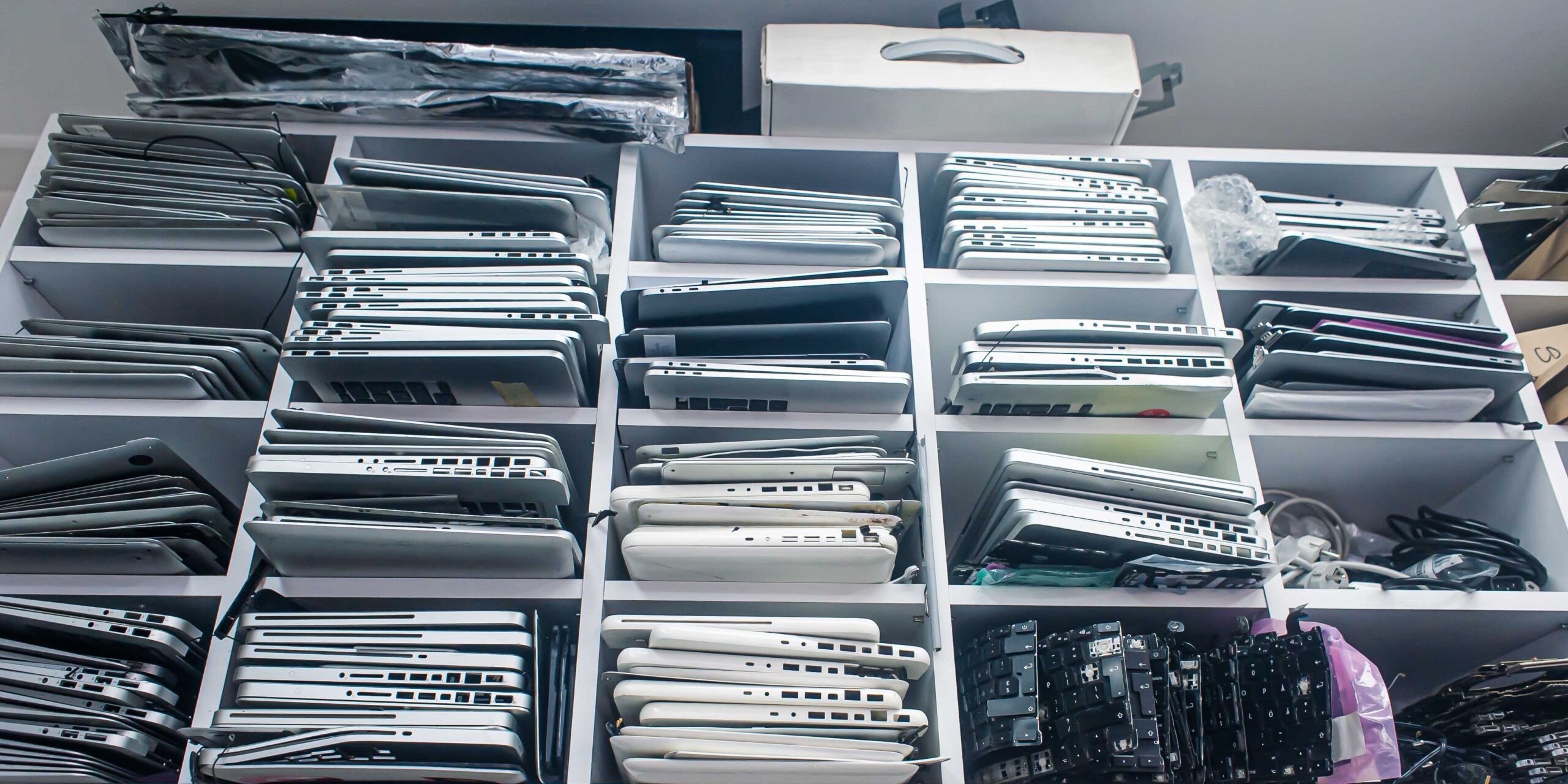

Is Your Company at Risk? The Crucial Importance of Corporate Laptop Data Destruction
Imagine finding your company’s sensitive financial data, employee records, or customer information circulating online. It’s a nightmare scenario, and the reality is closer than you think. As businesses upgrade their technology – particularly with the approaching end-of-life for Windows 10 – the proper decommissioning of old hardware is paramount. Ensuring secure corporate laptop data destruction isn’t just a best practice; it’s a legal and ethical imperative that can save your organization from hefty fines and irreparable reputational damage. Let’s delve into the critical aspects of data sanitization and responsible hardware disposal.
The High Stakes of Improper Data Disposal
What happens when your old laptops leave your office? Too often, the answer is “we hope for the best.” Unfortunately, hoping isn’t a strategy when dealing with sensitive data.
The Costly Consequences of Data Breaches
The potential fallout from improperly disposed-of data is immense. Regulatory bodies worldwide are cracking down on companies that fail to protect personal information.
- Financial Penalties: One notable example is Morgan Stanley, which was slapped with a staggering $35 million fine by the SEC in 2022. This stemmed from the firm’s failure to adequately oversee the disposal of devices containing personally identifiable information (PII). The actual cost to Morgan Stanley was $155 Million after The Office of the Comptroller of Currency (OCC) fined Morgan Stanley an additional $60 million and the company settled a class action suit for another $60 million
- Legal Liabilities: Data breaches can trigger lawsuits from affected customers or employees, leading to further financial burdens and legal entanglements.
- Reputational Damage: A data breach can erode customer trust and damage your brand’s reputation, making it difficult to attract and retain clients. Loss of faith in the brand damages revenue and profitability.
- Compliance Violations: Regulations like HIPAA, GDPR, and the FTC Disposal Rule mandate the secure disposal of sensitive information. Failure to comply can result in significant fines and legal action.
The Myth of “I’m Not a Target”
Many businesses, especially smaller ones, mistakenly believe they are not attractive targets for data theft. However, all organizations, regardless of size or industry, are at risk. Hackers often target smaller businesses as they are easier to breach due to weaker security protocols. Moreover, even accidental data leaks can have severe consequences, regardless of malicious intent.
Understanding Data Sanitization Methods
Data sanitization goes beyond simply deleting files or formatting a hard drive. It requires a robust process to ensure that data is irrecoverable. NIST 800-88 guidelines provide a framework for making informed data sanitization decisions. According to NIST, there are three levels of data sanitation:
-
Clear: This involves overwriting data with new information or performing a factory reset. This method is acceptable for data that is categorized as low risk. While it does make data recovery challenging, it’s not foolproof, especially in a lab environment. Overwriting may not reach all sectors of the drive due to wear-leveling and overprovisioning, which allocates unused memory blocks for extending drive life.
-
Purge: This method utilizes techniques like secure erase to clear all accessible and inaccessible sections of the drive. It makes data recovery significantly more difficult, even in a lab setting. Purging allows for the reuse of the drive after sanitization and is suitable for higher-risk data.
-
Destroy: This is the most secure method, involving the physical destruction of the drive to the point where data recovery is impossible. Shredding, incineration, and degaussing are common destruction methods. This method is usually implemented for top-secret data where reuse is not a priority. This method creates e-waste but can protect sensitive data from nefarious actors.
Wipe vs. Destroy: Choosing the Right Approach
The decision to wipe or destroy a hard drive depends on several factors, including:
- Data Sensitivity: The more sensitive the data, the stronger the sanitization method required.
- Reuse Requirements: If you plan to reuse the drive, wiping is the only viable option. If the drive will be discarded, physical destruction can be considered.
- Cost and Environmental Impact: Physical destruction is more expensive and generates e-waste. Wiping is a more environmentally friendly option, but requires careful execution.
Navigating Third-Party Data Destruction Services
Outsourcing data destruction to a specialized vendor can provide expertise, security, and documented proof of sanitization. However, it’s essential to choose a reputable and trustworthy provider.
What to Look for in a Data Destruction Service Provider
- Certifications and Compliance: Ensure the vendor is certified and complies with industry standards, such as NIST 800-88, HIPAA, and GDPR.
- Data Sanitization Methods: Verify the vendor’s sanitization methods and their effectiveness.
- Chain of Custody: Look for a vendor that provides a secure chain of custody, documenting the handling of your devices from pickup to sanitization.
- Verification and Reporting: The vendor should provide verification of successful data sanitization and generate a detailed report, including certificates of destruction.
- Security Measures: Inquire about the vendor’s physical security measures, such as secure facilities, background checks, and surveillance.
Common Pitfalls to Avoid
- Free or Low-Cost Services: Be wary of vendors who offer free or suspiciously low-cost data destruction services. They may cut corners on sanitization and data security.
- Lack of Transparency: Avoid vendors who are unwilling to disclose their sanitization processes or security measures.
- Insufficient Documentation: Always demand verifiable documentation of data sanitization.
Exploring DIY Data Destruction: Software and Best Practices
For organizations with the resources and expertise, in-house data destruction can be a viable option. However, it requires careful planning, execution, and documentation.
Choosing the Right Data Sanitization Software
Several software vendors offer solutions for NIST 800-88 compliant data wipes. These tools overwrite data using specialized algorithms to ensure complete erasure.
- BitRaser: A popular software solution that performs secure erasures of data on SSDs and hard drives. It also generates tamper-proof certificates of erasure and detailed reports for compliance audits.
- DBAN (Darik’s Boot and Nuke): A free and open-source data sanitization program.
- Blancco Drive Eraser: A commercial solution that provides comprehensive data erasure capabilities.
Best Practices for In-House Data Destruction
- Establish a Written Policy: Develop a comprehensive data disposal policy that outlines your organization’s procedures for sanitizing and disposing of end-of-life devices.
- Train Your IT Staff: Ensure that your IT staff are properly trained on data sanitization methods and the use of data destruction software.
- Verify Data Sanitization: Always verify that data sanitization has been successful.
- Maintain Detailed Records: Keep accurate records of all data destruction activities, including the date, method, and serial numbers of the devices.
Secure Erasure vs. Encryption
While encryption provides an additional layer of security, it’s not a substitute for data sanitization. Encrypted data can still be vulnerable if the encryption keys are compromised. Therefore, it’s essential to sanitize encrypted drives as well. Erasing the encryption key, if stored separately, will render the data unreadable.
OEM Recycling Programs: A Sustainable and Secure Option
Many major laptop OEMs, such as Dell and HP, offer recycling programs that allow you to sanitize your data while also getting some money back for the value of the equipment. This can be a sustainable and cost-effective approach to hardware disposal.
Key Benefits of OEM Recycling Programs
- Secure Data Sanitization: OEM programs typically follow NIST 800-88 data deletion standards and issue certificates of sanitization.
- Potential for Revenue Recovery: You may receive credit or payment for the value of your old laptops, depending on their age and condition.
- Environmentally Responsible Disposal: OEMs prioritize reuse and recycling, minimizing e-waste.
Maximizing Value from Recycled Hardware
- Ensure the laptops are in good condition to get the highest price
- Collect as many laptops as possible to lower cost of pick up
What’s Next? Taking Action on Your Data Destruction Strategy
Refreshing your company’s hardware is not just about acquiring new technology. The process of corporate laptop data destruction is vital to protect your organization’s security, reputation, and legal standing. By understanding the risks involved, implementing robust data sanitization methods, and choosing the right partners, you can minimize your risk exposure and contribute to a more sustainable future.
What do you think about these options? Have you implemented a robust data destruction strategy in your organization? Share your thoughts and experiences in the comments below!
Sources & Further Reading:
Original article at go.theregister.com


