
Navigating the Cyber Landscape: From Threat Sharing Laws to Exploit Bounties
Are our digital defenses strong enough to withstand the ever-increasing barrage of cyberattacks? The digital realm is under constant siege, demanding a proactive and collaborative approach to cybersecurity. Recent developments, ranging from proposed legislation aimed at enhancing cyber threat sharing to alarming data breaches and lucrative bug bounty programs, highlight the urgent need for vigilance. This article examines these critical issues and explores how they shape the future of cybersecurity. We’ll delve into the details of the Protecting America from Cyber Threats Act (PACT Act), the implications of credential stuffing attacks, the resurgence of Zimbra vulnerabilities, and Apple’s ambitious bug bounty program.
The PACT Act: Renewing and Enhancing Cyber Threat Sharing
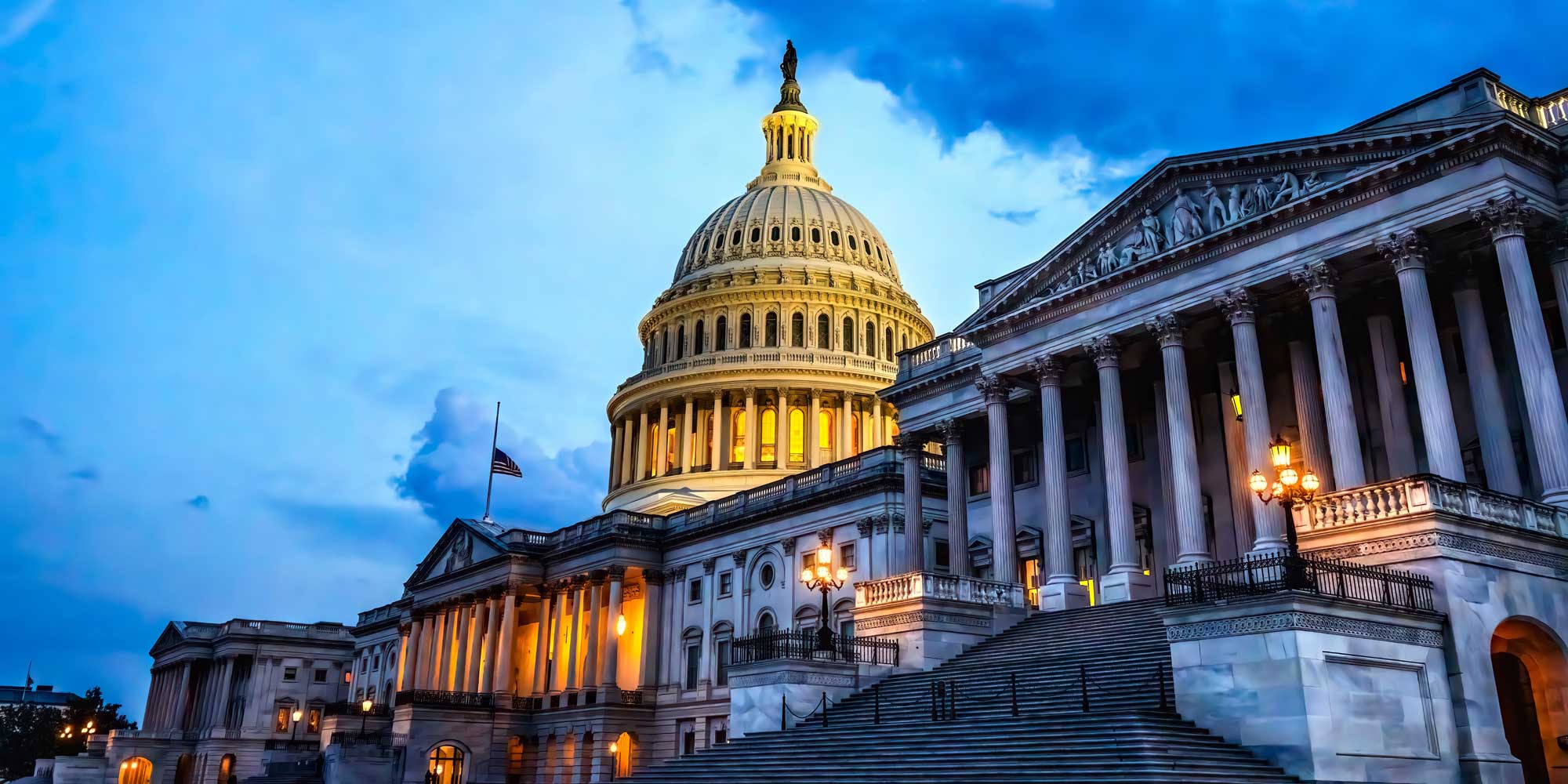
The Cybersecurity Information Sharing Act of 2015 (CISA) aimed to bolster national cybersecurity by facilitating the exchange of cyber threat indicators between private sector companies and the government. This sharing allows organizations to anticipate and mitigate potential attacks more effectively. Recognizing the importance of this framework, Senators Gary Peters (D-MI) and Mike Rounds (R-SD) have introduced the Protecting America from Cyber Threats (PACT) Act. This bill seeks to extend CISA for another ten years, renaming it the PACT Act throughout US code, ensuring this vital cybersecurity infrastructure remains active until September 30, 2035.
Why Renew CISA? The Rationale Behind the PACT Act
Senator Peters emphasizes that renewing CISA is crucial for defending critical infrastructure, including hospitals, financial institutions, and energy grids. “This bipartisan bill renews a proven framework that has helped defend critical networks at our hospitals, financial systems, and energy grids from cyberattacks for a decade,” he stated. Extending the law aims to provide continued protections against relentless attacks from cybercriminals and foreign adversaries, bolstering both national and economic security. The urgency of this renewal is underscored by the fact that CISA’s expiration was tied to a continuing funding resolution, which failed to pass due to a government shutdown. The PACT Act offers a way to avoid further delays and ensure uninterrupted cybersecurity protections.
Concerns and Criticisms: Addressing Privacy Issues
Despite its benefits, CISA has faced criticism, primarily concerning privacy protections. Detractors worry that the broad sharing of threat intelligence could lead to the inclusion of sensitive customer data, potentially compromising individual privacy. Another concern is the potential for federal agencies to use information shared under CISA for prosecuting crimes beyond cyber threats, raising questions about the scope and application of the law. Balancing the need for effective cybersecurity with the protection of individual liberties remains a central challenge in the debate surrounding the PACT Act.
The Future of PACT Act: Will it Pass?
The success of the PACT Act is not guaranteed. Political dynamics and ongoing debates about privacy could influence its passage. Furthermore, questions remain about the readiness of cybersecurity staff to manage the renewed bill effectively. Despite these uncertainties, the bipartisan support behind the PACT Act suggests a strong possibility of its enactment, highlighting a continued commitment to enhancing US cybersecurity defenses.
DraftKings Breach: The Perils of Credential Stuffing
While legislative efforts aim to strengthen national cybersecurity, individual companies also face ongoing threats. The recent DraftKings breach serves as a stark reminder of the vulnerabilities that exist in online security. Hackers gained unauthorized access to some DraftKings accounts through credential stuffing, a technique that exploits reused passwords.
Understanding Credential Stuffing: How It Works
Credential stuffing involves attackers using stolen login credentials from one data breach to try accessing accounts on other platforms. This relies on the unfortunate reality that many users reuse the same passwords across multiple websites and services. In the case of DraftKings, the attackers used credentials stolen from a non-DraftKings source, highlighting the importance of unique and strong passwords for every online account.
The Impact of the DraftKings Breach: What Was Compromised?
The breach exposed sensitive user information, including names, addresses, phone numbers, email addresses, dates of birth, profile photos, past transactions, balances, and the last four digits of payment cards. This information can fuel further identity theft attempts and other malicious activities. DraftKings has notified affected users and advised them to change their passwords, emphasizing the need for proactive measures to protect personal data.
Preventing Credential Stuffing: Best Practices for Users
To mitigate the risk of credential stuffing attacks, users should adopt the following best practices:
- Use unique passwords: Avoid reusing the same password across multiple accounts.
- Create strong passwords: Passwords should be complex, including a mix of uppercase and lowercase letters, numbers, and symbols.
- Enable two-factor authentication (2FA): 2FA adds an extra layer of security by requiring a second form of verification, such as a code sent to a mobile device.
- Use a password manager: Password managers can securely store and generate complex passwords, simplifying the process of managing multiple accounts.
- Monitor accounts regularly: Keep an eye on your accounts for suspicious activity and report any unauthorized access immediately.
Zimbra Vulnerability: Cross-Site Scripting Exploitation
Another cybersecurity concern is the resurgence of vulnerabilities in the Zimbra Collaboration suite. A recently discovered cross-site scripting (XSS) flaw, identified as CVE-2025-27915, is being actively exploited in the wild. This vulnerability allows attackers to execute arbitrary JavaScript commands within a user’s webmail session, potentially leading to unauthorized actions, such as email redirection and data exfiltration.
The Technical Details: How the Zimbra XSS Flaw Works
The XSS vulnerability is triggered by malicious ICS files containing embedded JavaScript in the details tag. When a user views an email containing this malicious calendar invite, the embedded script executes, granting the attacker control over the user’s webmail session. This type of attack highlights the importance of carefully scrutinizing email attachments and exercising caution when interacting with unfamiliar content.
CISA’s Involvement: Adding the Vulnerability to the Known Exploited Vulnerabilities Catalog
The US Cybersecurity and Infrastructure Security Agency (CISA) has added CVE-2025-27915 to its Known Exploited Vulnerabilities Catalog, indicating the severity and widespread impact of this flaw. This addition underscores the importance of promptly patching affected systems to mitigate the risk of exploitation.
Mitigation Strategies: Patching and Prevention
Zimbra Collaboration versions 9.0, 10.0, and 10.1 are affected by this vulnerability. Zimbra has released patches to address the flaw, and users are strongly advised to apply these updates as soon as possible. In addition to patching, organizations should implement security awareness training to educate users about the risks associated with malicious email attachments and social engineering tactics.
Apple’s Bug Bounty: A Lucrative Incentive for Security Researchers
In a bid to enhance the security of its products, Apple has significantly increased its bug bounty program, offering payouts of up to $5 million for the discovery and demonstration of sophisticated exploits. This move reflects a growing recognition of the crucial role that security researchers play in identifying and addressing vulnerabilities.
Doubling the Bounty: A New Era for Apple Security
Apple’s decision to double its maximum bug bounty payout signals a renewed commitment to security. The increased rewards are designed to attract top-tier security researchers and incentivize them to uncover the most complex and impactful vulnerabilities.
Targeting Sophisticated Exploits: Focusing on State-Sponsored Attacks
The highest payouts are reserved for researchers who can replicate exploit chains used by mercenary spyware vendors, often employed in state-sponsored attacks. These sophisticated exploits target a small number of high-value targets, making them particularly dangerous and difficult to detect.
New Bounty Categories: Expanding the Scope of Security Research
Apple has also introduced new bounty categories, including one-click WebKit sandbox escapes and wireless proximity exploits. These additions broaden the scope of the bug bounty program and encourage researchers to explore a wider range of potential vulnerabilities. Moreover, Apple is offering rewards for vulnerabilities discovered in beta software, further incentivizing early detection and prevention.
A Million-Dollar Prize for iCloud Access: A Significant Challenge
Apple is offering a $1 million reward for “broad unauthorized iCloud access,” a category that has yet to see a successful exploit demonstration. This hefty prize underscores the difficulty of compromising Apple’s iCloud security and serves as a major challenge for security researchers.
Conclusion: A Multi-Faceted Approach to Cybersecurity
The cybersecurity landscape is constantly evolving, demanding a multi-faceted approach that combines legislative action, proactive security measures, and collaborative efforts between companies, governments, and security researchers. The PACT Act aims to strengthen national cybersecurity by facilitating cyber threat sharing, while companies like DraftKings must prioritize user education and robust security practices to prevent credential stuffing attacks. The Zimbra vulnerability highlights the importance of timely patching and security awareness training, and Apple’s bug bounty program incentivizes researchers to uncover and address critical flaws. Each of these initiatives plays a vital role in safeguarding our digital world.
What do you think about the balance between privacy and security in the context of cyber threat sharing? Share your thoughts in the comments below!
Sources & Further Reading:
Original article at go.theregister.com


