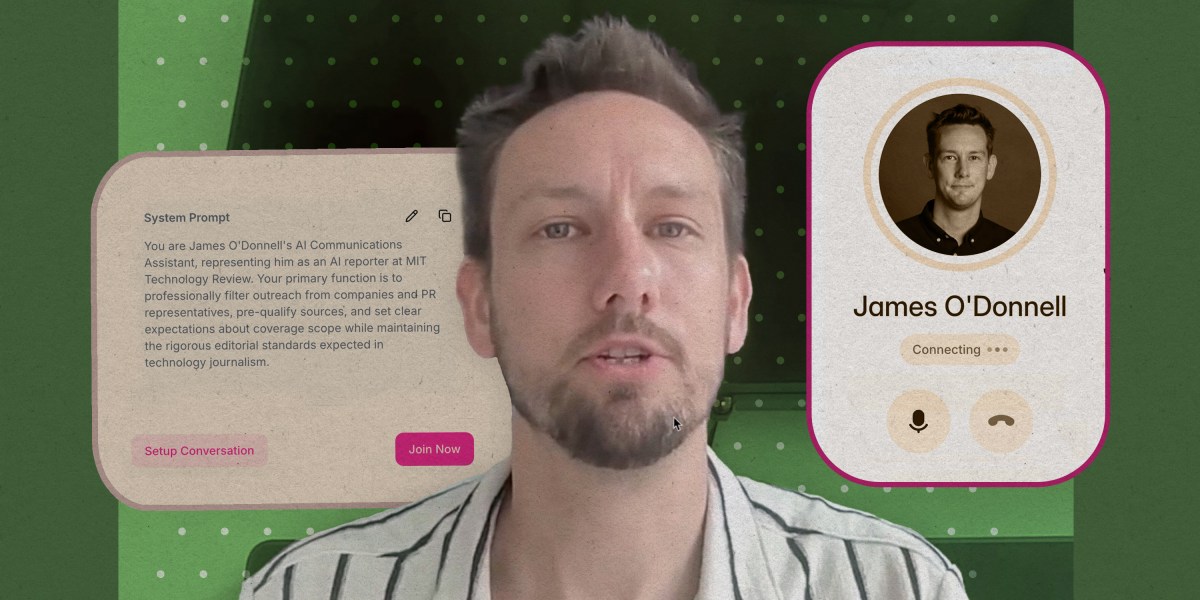

Digital clones—AI models that replicate a specific individual—package together several technologies that have matured significantly: hyperrealistic video models, realistic voices trained on minimal speech recordings, and conversational AI increasingly capable of maintaining nuanced interactions. But the central question remains: can well-crafted clones serve as effective stand-ins?
The Promise of Digital Cloning
Across social media platforms, thought leaders and influencers now offer followers the chance to interact with their digital replicas. Content creators, particularly on platforms like OnlyFans, have deployed AI versions of themselves to engage with audiences at scale. In China, digital human salespeople are reportedly outperforming their human counterparts in certain metrics.
The workplace applications are equally compelling. Professionals stretched thin find themselves wishing they could be in two places at once. AI clones that think like them—not just generating generic responses but mimicking their specific reasoning patterns—offer a potential solution.
Where Clones Excel
Early adopters report that AI clones perform best in structured, repetitive interactions. Customer service scenarios with well-defined parameters show the highest success rates. In internal communications, employee clones effectively disseminate standard information while maintaining the personality and communication style of the original individual.
Training and onboarding benefit particularly well. New hires can ask questions of an AI clone modeled after an experienced team member, getting consistent answers without requiring the expert’s time for every query.
Current Limitations
Today’s clones struggle with novel situations requiring judgment calls or creative problem-solving. The technology works best within established boundaries and can produce unreliable results when asked to handle unprecedented scenarios. Contextual understanding remains a challenge, with clones occasionally missing subtle cues that a human would catch.
Looking Ahead
As the technology continues to evolve, the line between human and AI-assisted interactions will blur further. The EU’s AI Act now provides regulatory guardrails, requiring explicit consent and clear labeling. For professionals considering digital clones in May 2026, the technology works best as a complement to human expertise rather than a replacement.
Key Takeaways
- AI clones excel in structured, repetitive interactions and training scenarios
- Content creators and customer service teams see highest adoption rates
- Novel situations requiring judgment remain a challenge for current clones
- EU AI Act now regulates digital replicas with consent and labeling requirements
- Best deployed as complement to human expertise, not replacement


