
Apple Watch Blood Oxygen Monitoring Returns to the US: What’s Changed?
Did you know that a patent dispute briefly took away a key health feature from the Apple Watch in the US? The ability to measure blood oxygen levels is now back for Apple Watch users in the United States, but with a crucial difference. A recent software update has reintroduced the feature, but the way it works has been modified to comply with a U.S. Customs ruling. This article delves into the details of this change, the legal battle behind it, and what it means for Apple Watch owners.
The Blood Oxygen Saga: From Ban to Reinstatement
In late 2023, Apple faced a significant setback when sales of the Apple Watch Series 9 and Ultra 2 were temporarily halted in the US due to a patent infringement lawsuit. This lawsuit, filed by medical technology company Masimo, alleged that Apple had unlawfully used Masimo’s patented technology for its pulse oximetry (SpO2) sensor in Apple Watch models from Series 6 onwards.
Masimo vs. Apple: A Clash of Tech Titans
The core of Masimo’s argument revolved around the claim that Apple had not only copied its Pulse Oximeter (SpO2) sensor technology, but had also poached key personnel, including their Chief Medical Officer, leveraging their expertise to develop the blood oxygen sensor for the Apple Watch. While Apple vehemently denied these allegations, the International Trade Commission (ITC) ruled in favor of Masimo, leading to a ban on the import and sale of Apple Watches with the infringing technology in the United States. This had a massive impact, not only on Apple but also on consumers who rely on the blood oxygen monitoring feature for health tracking.
The Resolution: A Software Shift
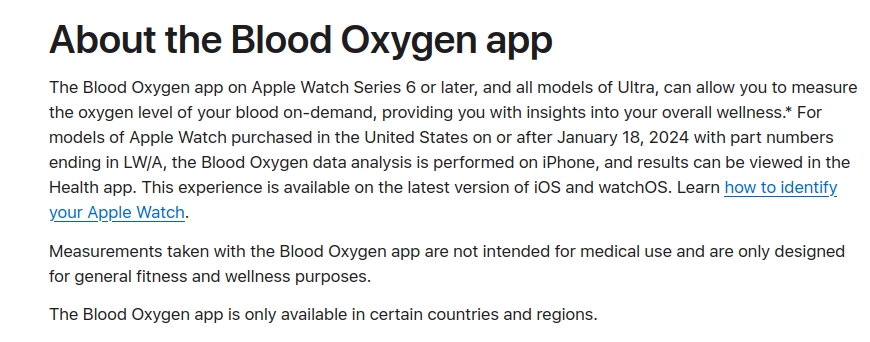
To circumvent the import ban and continue offering the Apple Watch in the US, Apple temporarily disabled the blood oxygen monitoring feature on new Series 9 and Ultra 2 models. However, the company has now found a workaround. A recent software update, which requires both iOS 18.6.1 on the iPhone and watchOS 11.6.1 on the Apple Watch, re-enables the feature, but with a significant change in how the data is processed.
How the New Blood Oxygen Feature Works
Previously, the Apple Watch’s sensor and Blood Oxygen app performed both the measurement and calculation of a user’s blood oxygen level directly on the watch. Now, the Apple Watch’s sensor still collects the raw data, but the calculation and processing are offloaded to the paired iPhone.
- Data Collection: The Apple Watch continues to use its built-in sensor to gather the raw data related to blood oxygen saturation.
- Data Processing: Instead of the Apple Watch calculating the SpO2 level, this calculation is now performed by the iPhone.
- Data Display: The calculated blood oxygen level is then accessible to the user through the Health app on the iPhone, specifically within the Respiratory section.
This shift in processing location, according to Apple, is the key to complying with the U.S. Customs ruling and allowing the blood oxygen monitoring feature to be reinstated.
Technical Requirements for Reinstated Blood Oxygen Readings
To access the reinstated blood oxygen monitoring feature, users must meet the following requirements:
- iPhone: Running iOS 18.6.1 or later
- Apple Watch: Series 6 or later running watchOS 11.6.1 or later
- Region: Must be in the United States
This change does not affect Apple Watch units purchased outside the U.S., nor does it impact devices within the US that had the original feature enabled prior to the ban. These devices continue to operate with the original, watch-based calculation method.
Troubleshooting the Updated Blood Oxygen Feature
While the update aims to seamlessly restore functionality, some users have reported experiencing issues with the new blood oxygen monitoring feature. Specifically, some users of the Apple Watch Series 10 (note: Series 10 is speculative as of this writing) have reported difficulties obtaining manual readings.
- Possible Solution: Some users have found that performing an electrocardiogram (ECG or EKG) on their Apple Watch may resolve the issue and allow the Blood Oxygen app to function properly. This suggests a potential link or dependency between the ECG functionality and the Blood Oxygen app within the updated software.
It’s also recommended to consult Apple’s official support page for the Blood Oxygen feature for detailed instructions and troubleshooting tips. Apple’s support documentation often provides the most accurate and up-to-date information for resolving technical issues.
The Importance of Blood Oxygen Monitoring
Blood oxygen monitoring has become increasingly important for tracking overall health and wellness, especially in the context of respiratory conditions. Pulse oximetry measures the percentage of hemoglobin in your blood that is carrying oxygen. Healthy individuals typically have SpO2 levels between 95% and 100%. Lower levels can indicate potential respiratory issues or other underlying health problems.
| Blood Oxygen Level (SpO2) | Interpretation |
|---|---|
| 95% – 100% | Normal |
| 90% – 94% | Mild hypoxemia (may warrant further evaluation) |
| Below 90% | Significant hypoxemia (requires immediate attention) |
Sources:
Applications of Blood Oxygen Monitoring
- Early Detection of Respiratory Issues: Monitoring blood oxygen levels can help identify potential respiratory problems, such as pneumonia or COPD, early on.
- Management of Chronic Conditions: Individuals with chronic respiratory conditions, like asthma or sleep apnea, can use blood oxygen monitoring to track their condition and adjust their treatment plans accordingly.
- Altitude Tracking: Athletes and adventurers can use blood oxygen monitoring to assess their body’s response to high altitudes and adjust their activities accordingly.
- General Wellness: Even for healthy individuals, tracking blood oxygen levels can provide valuable insights into their overall health and well-being.
Looking Ahead: The Future of Apple Watch and Health Monitoring
The legal battle between Apple and Masimo highlights the increasing importance of intellectual property in the wearable technology space. It also demonstrates Apple’s commitment to finding innovative solutions to continue providing valuable health monitoring features to its users. The shift in blood oxygen monitoring processing from the Apple Watch to the iPhone may be a temporary measure, or it could represent a new paradigm for how Apple approaches feature development and legal compliance in the future. Only time will tell.
Conclusion: Blood Oxygen is Back, but Different
The reinstatement of blood oxygen monitoring on Apple Watches in the US is welcome news for users who rely on this feature for health tracking. While the new method of data processing may seem like a minor change, it represents a significant legal and technical maneuver by Apple. Understanding these changes ensures users can effectively utilize the feature and troubleshoot any potential issues.
What are your thoughts on the updated blood oxygen monitoring feature? Do you find it as useful as the previous version? Share your experiences and opinions in the comments below!
Sources & Further Reading:
Original article at www.ghacks.net


