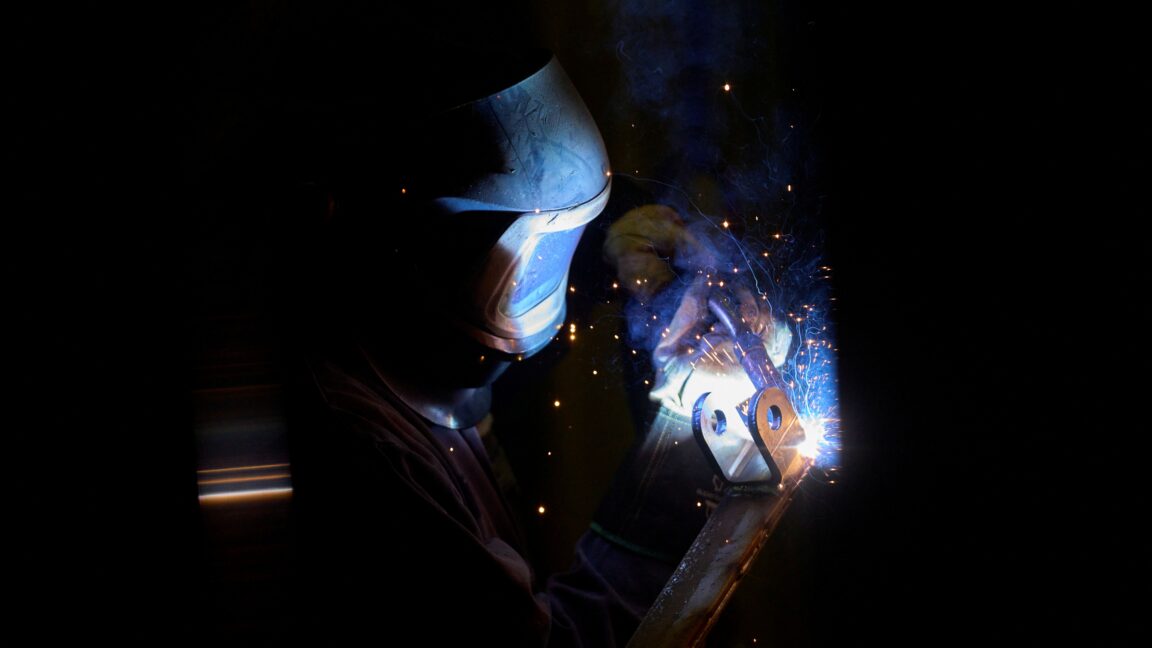

The Hidden Hazard Sparks Flying: Understanding “Welder’s Anthrax” and Its Threat to Metalworkers
Picture this: You’re a strong, young metalworker, vital to industries that build the bones of our modern world. Sparks fly, metal glows, but could an invisible killer be lurking in that ordinary haze? In 2022, CDC researchers unearthed a chilling pattern: since 1997, seven cases of severe infection caused by Bacillus bacteria producing the potent anthrax toxin. Crucially, all victims were metalworkers, predominantly welders. Dubbed “welder’s anthrax,” this silent threat underscores a critical occupational health hazard emerging in Southern workshops. Understanding why metalworkers uniquely face this risk, how environmental conditions converge to create danger, and what protective measures are essential is paramount for safeguarding this skilled workforce.
Our understanding of Bacillus bacteria and anthrax toxin exposure takes a sharp turn. The narrative abruptly shifts away from contaminated wool or bioterrorism towards gritty factory floors and confined welding booths. Evidence solidly points to Bacillus tropicus as the primary culprit identified in six cases investigated so far. This unexpected occupational link demands our urgent attention and a reevaluation of risks associated with metal fabrication.
Why Metalworkers? The Perfect Storm of Vulnerability
The core question baffling experts: Why are metalworkers, and welders in particular, uniquely susceptible to these infections? CDC scientists speculate it’s not one factor, but a perilous confluence creating a “perfect storm” within their lungs and workplace:
- Lung Under Siege: Welding inherently generates a toxic cocktail of fumes and gases laden with heavy metals like chromium, nickel, manganese, and ozone (OSHA). Chronic inhalation irreparably damages lung tissue, impairing crucial immune defenses (CDC., Occupational Respiratory Disease ). This compromised state makes lungs fertile ground for invading bacteria.
- Workplace Contamination: The environment itself proves hazardous. Environmental sampling in these cases consistently uncovers significant contamination. In the latest case involving a teenager welding 16 hours weekly with poor ventilation and inconsistent PPE, dangerous Bacillus germs were found in 28 out of 254 spot samples. This isn’t an isolated finding; prior investigations revealed similar microbial pollution in affected workplaces. Metal shops, especially confined spaces with limited airflow, likely harbor reservoirs of these resilient, spore-forming bacteria.
- Potential Iron Feast: A compelling new hypothesis centers on iron – a nutrient Bacillus bacteria desperately need to thrive (NIH Research on Iron Acquisition in Disease). Metalworkers, particularly when welding iron-rich carbon steel, likely accumulate elevated iron levels in their respiratory system. This “iron overload,” potentially deposited as particles inhaled during welding or from exposed metal surfaces, could create an enriched environment allowing inhaled Bacillus spores to flourish. The teenager’s work with carbon steel electrodes aligns perfectly with this theory.
This dangerous triad – weakened host defenses, contaminated environment, and possible iron abundance – uniquely positions metalworkers on the front line of this novel hazard.
Spotlight Case: The Teenage Victim – A Stark Illustration
The 2022 case brings the risks into acute focus. A seemingly healthy teenager engaged in welding duties four hours daily, across four days each week. Crucially:
- Work was often performed in confined spaces, trapping fumes and potential pathogens.
- Ventilation was markedly inadequate, failing to dilute airborne hazards.
- Personal protective equipment, especially respirators, was frequently neglected, leaving airways unprotected.
- Environmental testing confirmed: Bacillus bacteria producing the deadly anthrax toxin were pervasive in his workplace.
His illness highlights critical flaws in safety practices that remain disturbingly common underscores the urgent need for enhanced protective measures.
Geography and Underestimation: A Southern Concentration Masking a Larger Threat?
Cases linked to occupational anthrax so far cluster solely in Louisiana and Texas. While intriguing, experts strongly caution against assuming these are the only affected areas. Several factors point to a potentially broader, under-recognized menace:
- Likely Underreporting: Symptoms might be vague (fever, difficulty breathing, fatigue) and misdiagnosed as pneumonia or severe flu. Providers unfamiliar with “welder’s anthrax” wouldn’t test for the specific toxin, missing critical diagnoses.
- Microbial Ecology Modeling: CDC analyses hint that environmental conditions favorable for anthrax-toxin-producing Bacillus species, particularly B. tropicus, extend across many humid, Southern US states. Warmth and moisture support spore survival. The threat may already exist elsewhere, just undetected. For instance:
| Potential Risk Areas Beyond Detected Cases | Supporting Factors |
| :—————————————- | :——————————————————————————— |
| Gulf Coast States (MS, AL, GA, FL) | High humidity, significant historical metalworking industry presence |
| Other Southern States (AR, TN, SC) | Favorable climate modeling, local industrial base |
| Nationwide Unsafe Work Conditions | Poor ventilation/no PPE use anywhere creates risk if pathogen is introduced | - Awareness Gap: Limited recognition among both clinicians and metalworkers hinders reporting and prevention. Cultivating proactive safety cultures requires this knowledge.
Protecting the Workforce: Respirators, Ventilation and Future Vaccines?
For now, the precise reason why one worker (like the healthy teen) falls critically ill while colleagues exposed to the same environment remain unaffected remains elusive. Individual immunological differences, precise exposure levels, and other undiscovered co-factors may play roles. Regardless, robust protection remains paramount:
- CDC-recommended Workplace Interventions:
- Mandatory Respirator Use: Effective, properly fitted NIOSH-approved respirators (N95 or higher, protocol-dependent) are non-negotiable barriers against inhaling spores and fumes. Employers must enforce usage rigorously.
- Forced-Air Ventilation & Dilution: High-volume ventilation systems designed to actively pull contaminated air away from the breathing zone and introduce clean air are critical, especially in confined spaces.
- Industrial Hygiene Controls: Strict dust suppression protocols, regular cleaning using HEPA-vacuuming to avoid aerosolizing settled spores, and minimizing surface contamination.
- Training and Culture: Comprehensive education for all workers on risks and mitigation measures, fostering a “safety-first” environment where PPE use is normalized.
- The Vaccination Question: An anthrax vaccine currently exists and is recommended for groups at high risk of intentional or livestock-associated exposure (military, lab personnel, livestock handlers). The potential inclusion of metalworkers, particularly those in documented high-risk regions or with identified workplace contamination, is an active discussion point (CDC Anthrax Vaccine). While no official recommendation exists yet, acknowledging its potential underscores the seriousness of welder’s anthrax.
Safety isn’t optional. Waiting for perfect knowledge risks lives. Implementing proven occupational hygiene controls immediately shields workers against welder’s anthrax and many other established respiratory hazards inherent to metalworking.
The emergence of “welder’s anthrax” exposes a critical gap in occupational health. Hooked by an unexpected CDC pattern discovery, we explore metalworkers’ unique vulnerability from damaged lungs, toxic workplaces, and iron overload. Concentrated in Southern states but likely underreported nationwide, cases like the young welder working unshielded in contaminated spaces exemplify preventable risk. While mysteries persist—why one worker falls ill amid colleagues—the path forward is clear: Non-negotiable respirator usage, powerful ventilation systems, stringent dust control, and worker training form an essential shield. Can metalworkers escape the lethal sparks? Only if industry embraces rigorous, preventative measures proactively. The weld bead mustn’t carry a lethal burden. What steps should regulators prioritize next to protect these essential workers? Share your thoughts below!


