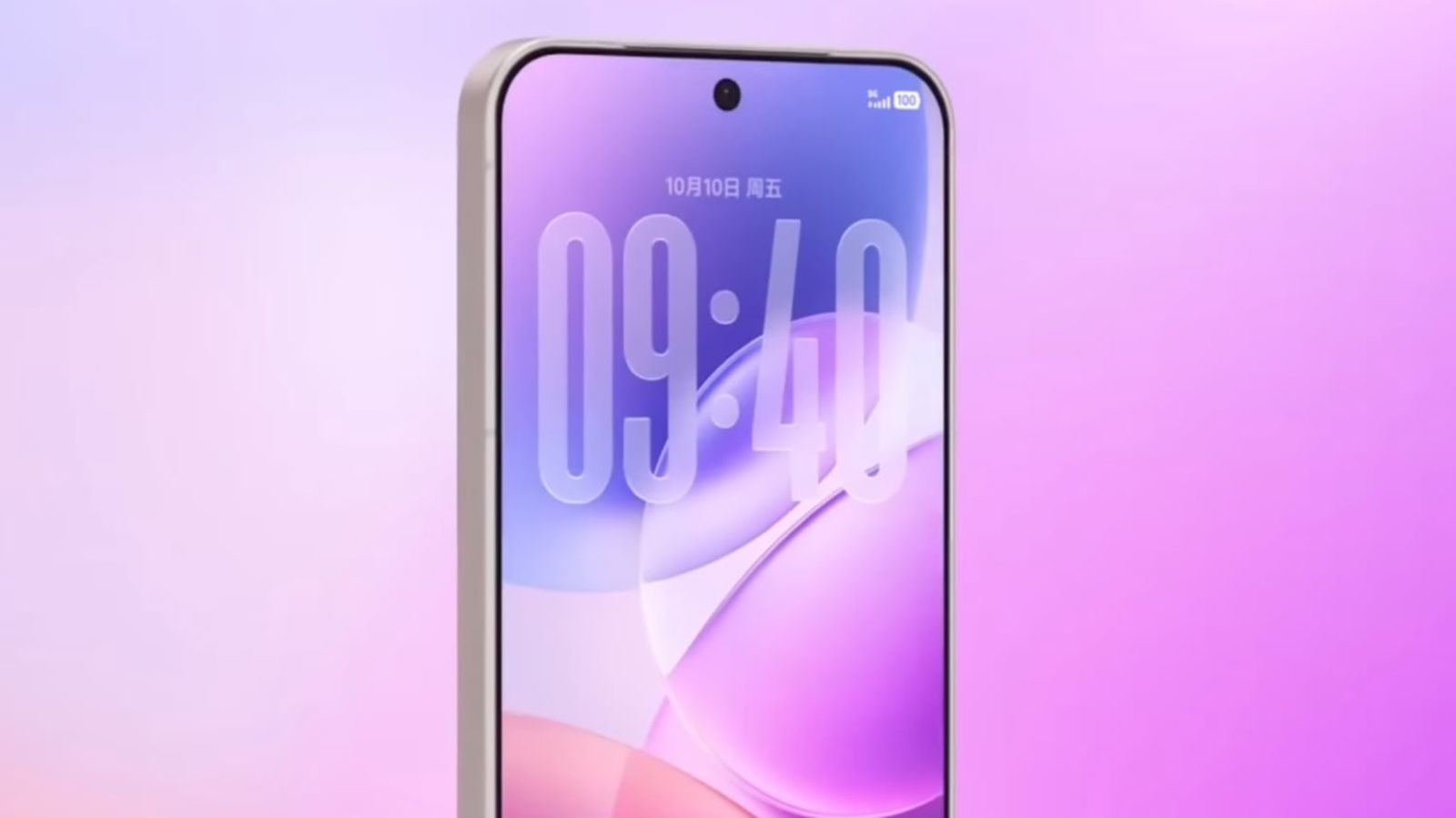

Is iOS 26’s “Liquid Glass” Design Inspiring the Competition? Vivo’s OriginOS 6 Seems to Think So
With over 7 billion smartphone users worldwide, the battle for market share is fierce. But is that competition limited to price and features, or does it extend to design inspiration? Chinese smartphone maker Vivo seems to be taking a page out of Apple’s book, drawing heavily from the “Liquid Glass” design language introduced in iOS 26 for its latest operating system update, OriginOS 6. This raises the question: How much inspiration is too much, and what does this trend mean for the future of smartphone design? Let’s delve into the details of Vivo’s new OS and its striking similarities to Apple’s aesthetic.
Vivo’s OriginOS 6: A Deep Dive into the “Liquid Glass” Look
Vivo’s latest operating system, OriginOS 6, has sparked considerable discussion due to its visual resemblance to Apple’s iOS 26. While Vivo hasn’t explicitly stated its intention to copy Apple’s design, the similarities are difficult to ignore. Let’s explore the specific design elements that have drawn comparisons:
-
Rounded Buttons and Translucent Glass Effect: This is perhaps the most obvious visual cue. Both OriginOS 6 and iOS 26 feature buttons with rounded edges and a translucent, glass-like appearance that adds depth and visual appeal.
-
“Squircle” Icons: The use of “squircle” icons (icons that are a blend of square and circle shapes) is another point of comparison. This design choice contributes to the overall rounded and smooth aesthetic found in both operating systems.
-
Translucent App Folders and Dock: The application folders and dock in OriginOS 6 are also translucent, mirroring the design of iOS 26. This translucency allows the wallpaper behind these elements to subtly show through, creating a sense of depth and visual continuity.
-
Liquid Glass Clock and Control Center: The clock and control center interfaces in Vivo’s demo video bear a striking resemblance to the iOS 26 design. The smooth animations and translucent effects further contribute to the shared aesthetic.
-
Dynamic Wallpapers with Spatial Scenes: OriginOS 6 also incorporates wallpapers that shift with a 2D to 3D effect, similar to Apple’s “Spatial Scenes.” This dynamic element adds another layer of visual interest and sophistication.
These similarities have led many to conclude that Vivo is consciously emulating Apple’s design language. While Vivo claims that its design is inspired by water, the resemblance to Apple’s “Liquid Glass” aesthetic is undeniable.
A Side-by-Side Comparison: OriginOS 6 vs. iOS 26
To further illustrate the similarities, consider this comparison table:
| Feature | OriginOS 6 | iOS 26 |
|---|---|---|
| Overall Aesthetic | Rounded, translucent, glass-like | Rounded, translucent, glass-like |
| Button Design | Rounded edges, translucent appearance | Rounded edges, translucent appearance |
| Icon Shape | Squircle | Squircle |
| App Folders & Dock | Translucent | Translucent |
| Control Center | Liquid Glass design | Liquid Glass design |
| Wallpaper Style | Dynamic, 2D to 3D shifting | Dynamic, 2D to 3D shifting (Spatial Scenes) |
| Notable Differences | Water-inspired marketing; Unique Widgets | Focus on privacy; Deeper Apple integration |
The Broader Context: Design Inspiration vs. Copying
The question of design inspiration versus outright copying is a complex one. In the technology industry, it is common for companies to draw inspiration from each other. However, there is a fine line between being inspired by a competitor’s design and creating a product that is essentially a clone.
Intellectual property law offers some protection against blatant copying, but design patents and copyrights can be difficult to enforce, particularly when it comes to software interfaces. The “look and feel” of an operating system is often subjective and open to interpretation, making it challenging to prove infringement.
The Impact on Consumers and Innovation
The impact of design imitation on consumers and innovation is debatable. Some argue that it benefits consumers by providing more options and driving down prices. Others contend that it stifles innovation by discouraging companies from investing in original designs if they can simply copy their competitors.
Arguments in Favor of Design Inspiration:
- Increased Competition: Design imitation can lead to increased competition, forcing companies to improve their products and lower prices.
- Wider Availability of Features: Copying popular features can make them more widely available to consumers, even on lower-priced devices.
- Faster Adoption of Trends: Design imitation can accelerate the adoption of new trends and technologies.
Arguments Against Design Copying:
- Stifled Innovation: Companies may be less likely to invest in original designs if they know their competitors will simply copy them.
- Reduced Differentiation: Copying can lead to homogenization of products, making it difficult for consumers to distinguish between different brands.
- Devaluation of Original Work: Copying can devalue the work of original designers and engineers.
Apple’s iOS 26: A Refresher on Key Features
To fully appreciate the design choices of OriginOS 6, it’s worth taking a look at some of the key features and design elements of iOS 26 that may have inspired Vivo.
-
Liquid Glass Design: The overarching design principle in iOS 26 is the “Liquid Glass” aesthetic, characterized by rounded corners, translucent effects, and smooth animations. This creates a visually appealing and user-friendly experience.
-
Redesigned Control Center: The Control Center in iOS 26 has been redesigned with a more intuitive layout and translucent elements.
-
Spatial Scenes Wallpapers: These dynamic wallpapers shift with the movement of the device, creating a sense of depth and immersion.
-
Enhanced Privacy Features: iOS 26 also includes enhanced privacy features, such as improved app tracking transparency and stricter data security measures.
Beyond Design: What Else is New in the Apple Ecosystem?
While Vivo’s design choices are interesting, Apple’s ecosystem continues to evolve on many fronts. Here are some other recent developments:
- AirPods Firmware Updates: Apple recently released new firmware for AirPods Pro 3, AirPods Pro 2, and AirPods 4, focusing on improved audio quality.
- iOS 26.1 Beta Updates: Ongoing beta testing of iOS 26.1 is bringing useful changes to alarms, multitasking on iPad, and refinements to the Liquid Glass design.
- Potential Leadership Shakeup: Rumors suggest a major leadership transition at Apple, with John Ternus possibly succeeding Tim Cook as CEO.
- iPad Mini 8 Development: A new iPad mini is reportedly in development, featuring the A19 Pro chip.
- MagSafe Stand Modifications: Apple is modifying in-store MagSafe stands to prevent marks on iPhone 17 models.
Conclusion: A Trend or a One-Off?
Vivo’s OriginOS 6 undoubtedly borrows heavily from Apple’s iOS 26 “Liquid Glass” design language. Whether this is simply a case of inspiration or something more deliberate is up for debate, but it highlights the ongoing tension between innovation and imitation in the tech industry. While such design choices may provide consumers with more visually appealing options, it’s crucial to consider the potential long-term impact on innovation and the value of original work. Only time will tell if this trend of adopting Apple’s design language will continue or fade away.
What do you think? Is Vivo’s OriginOS 6 a clever homage to Apple’s design, or a blatant copy? Comment below and share your thoughts!
Sources & Further Reading:
Original article at www.macrumors.com


